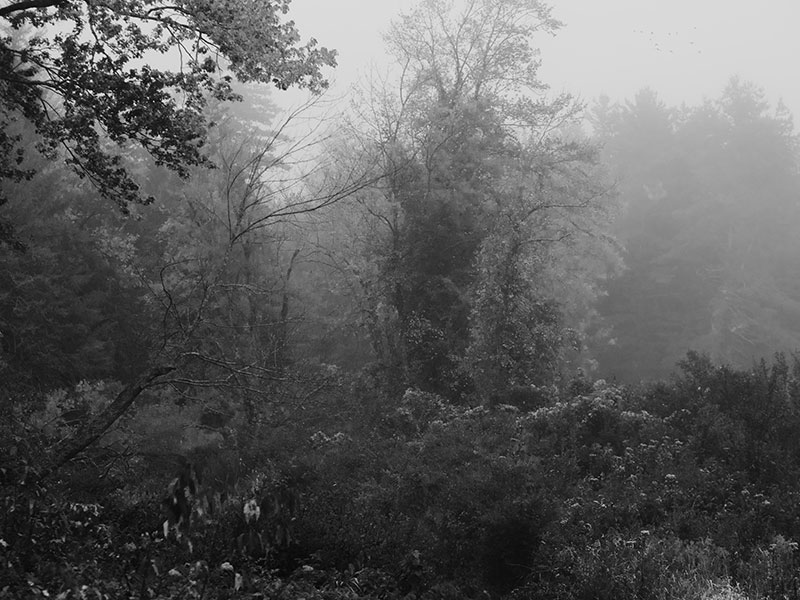
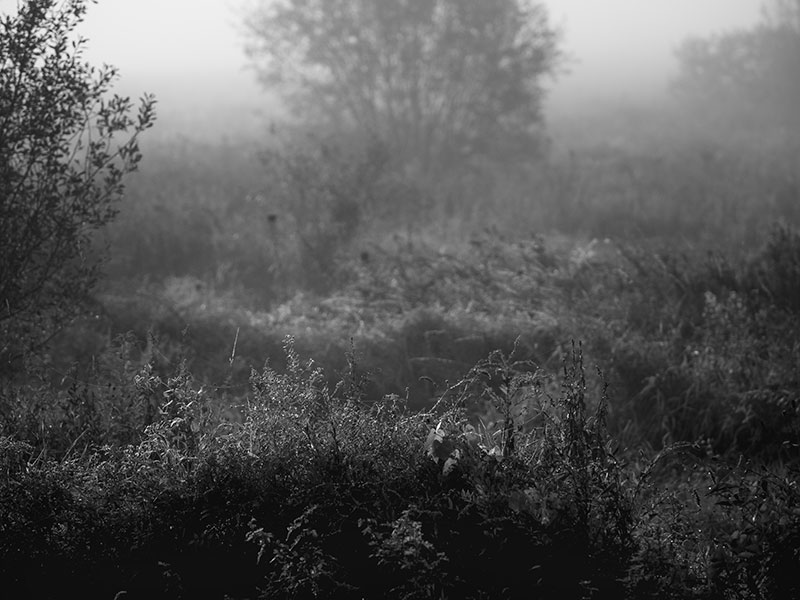
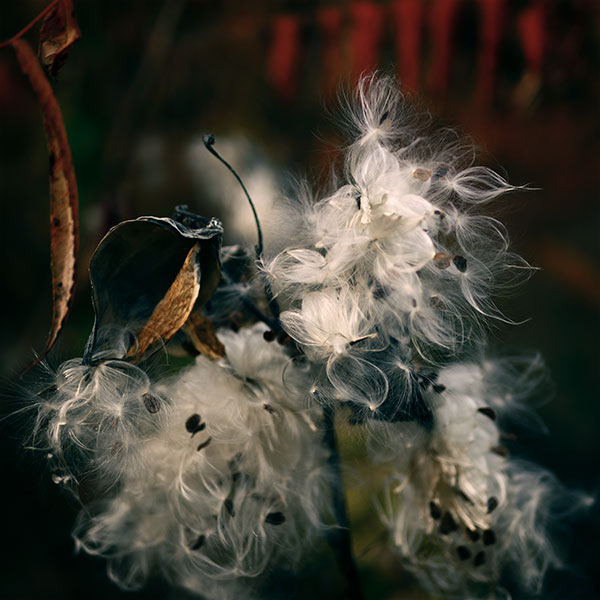
Riverdusk / A Triptych

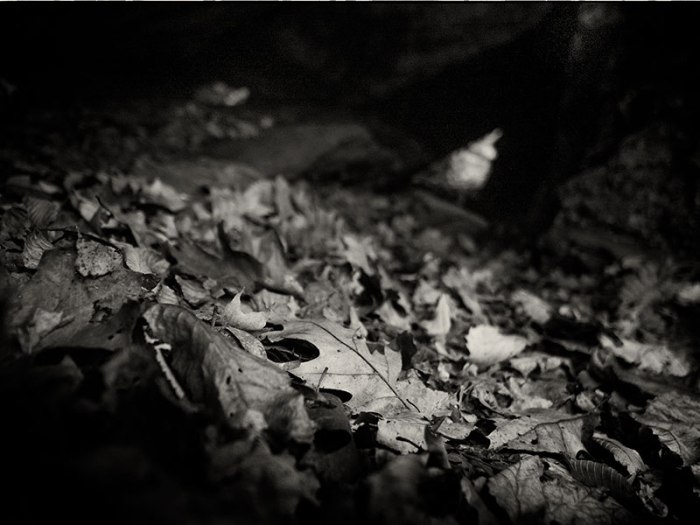
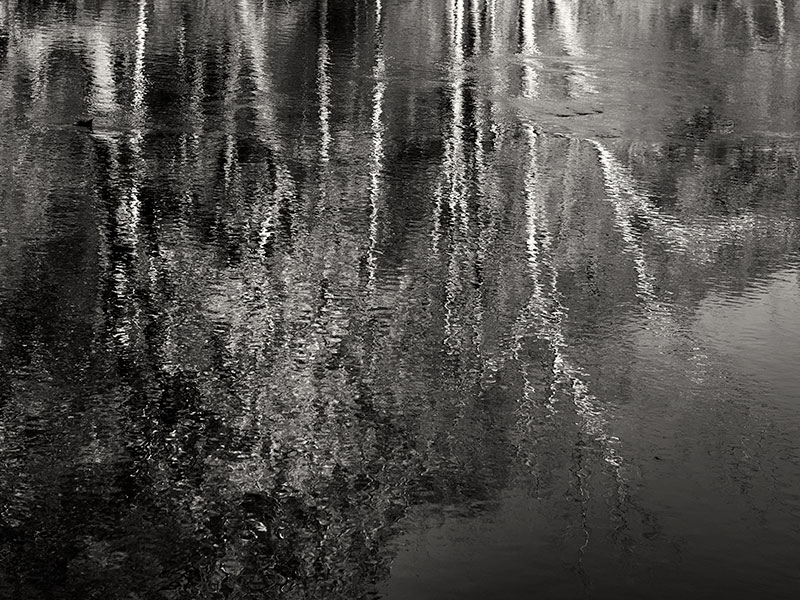
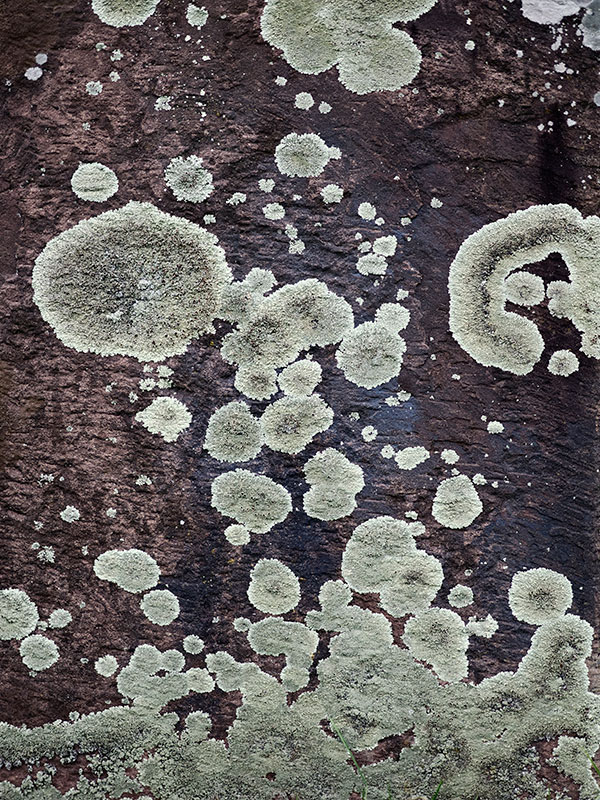
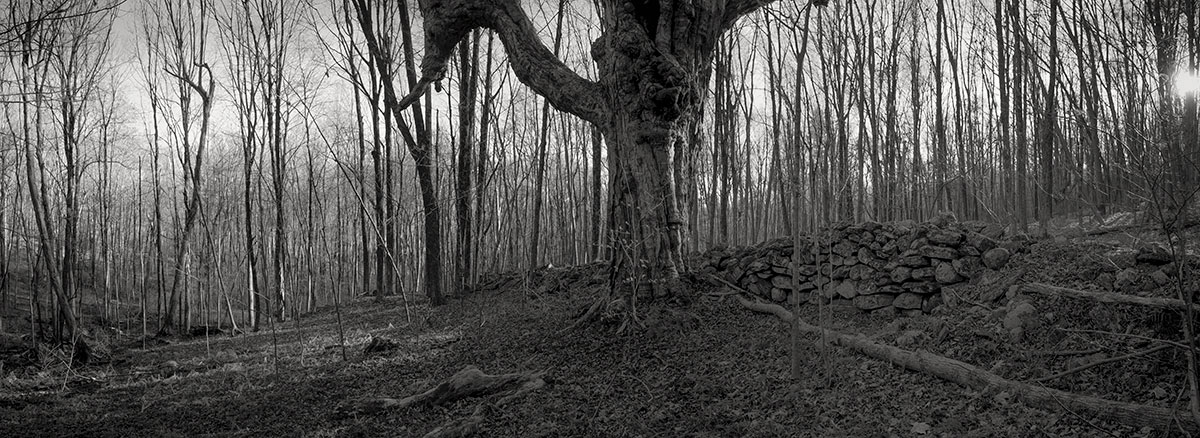
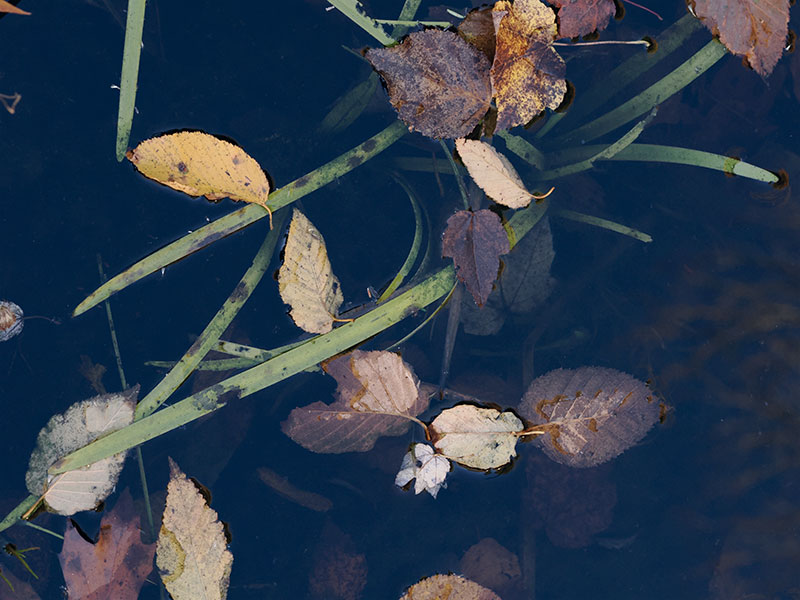
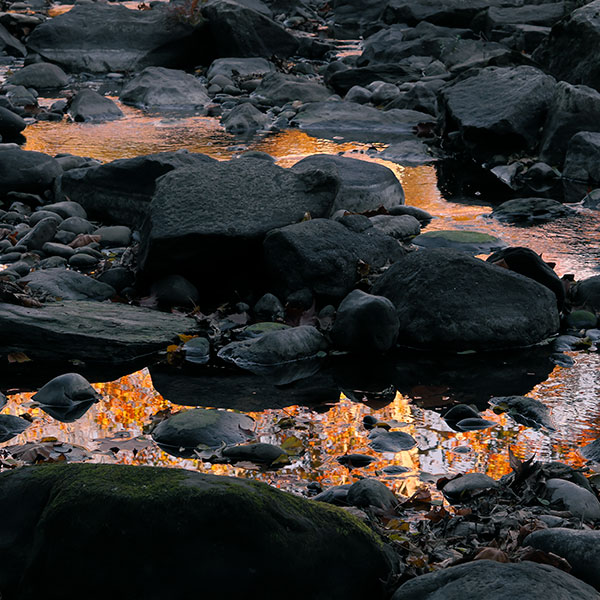
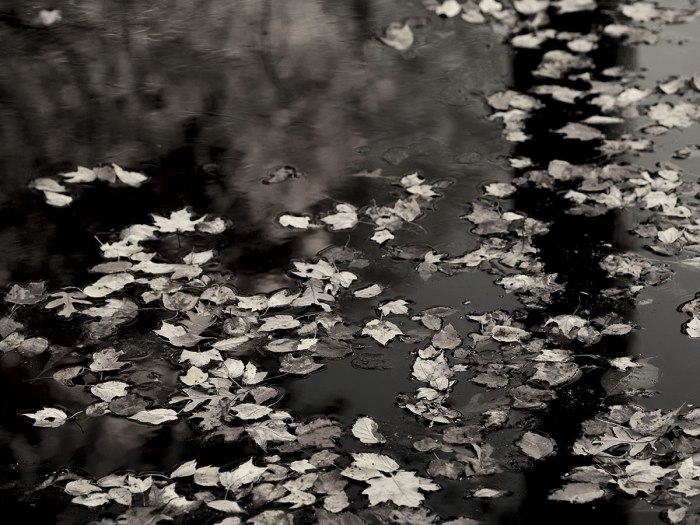
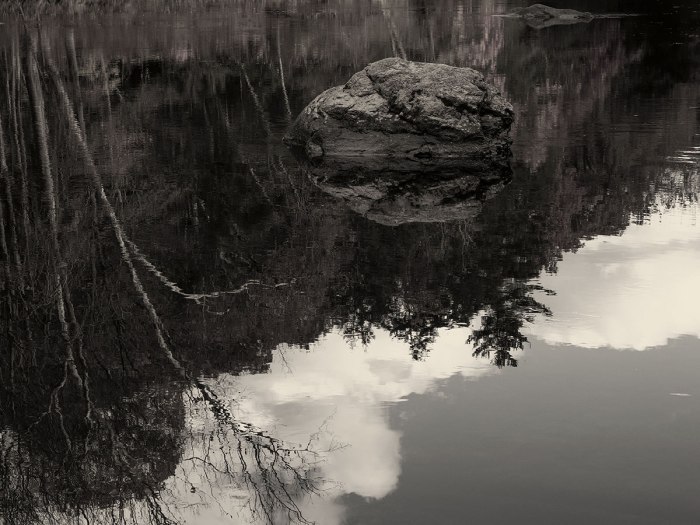
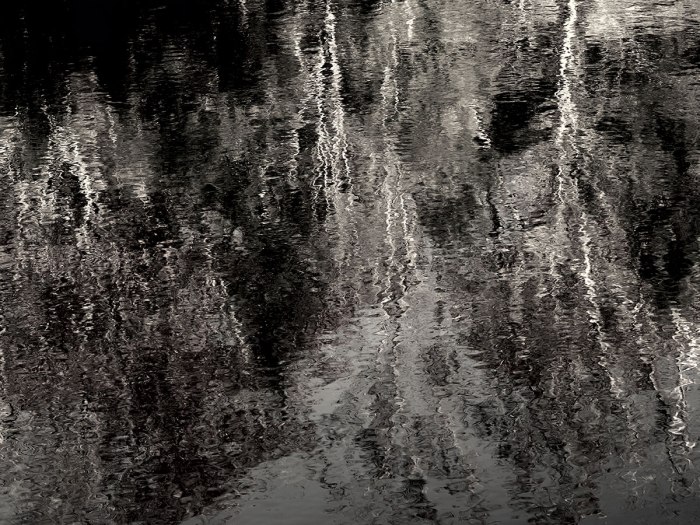
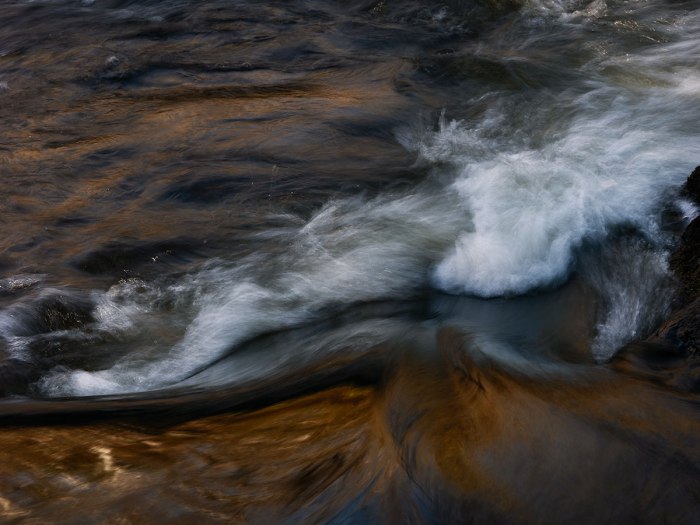
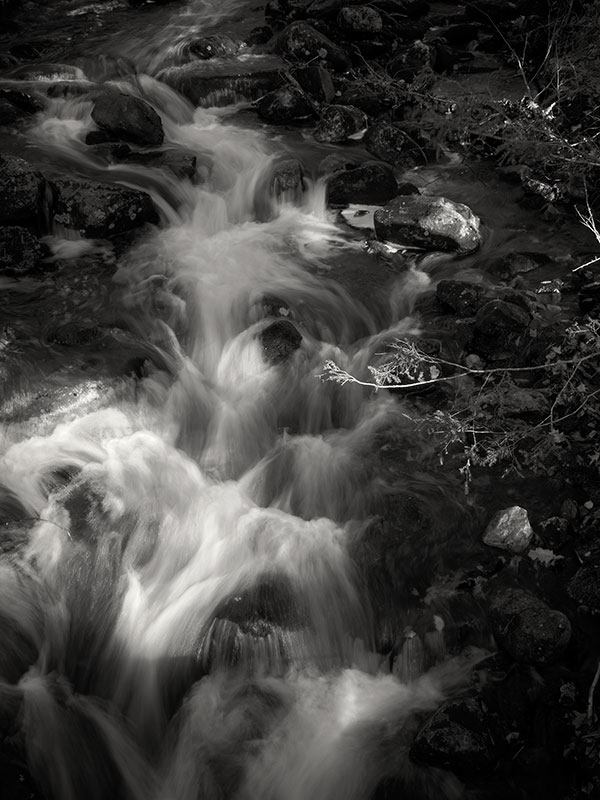
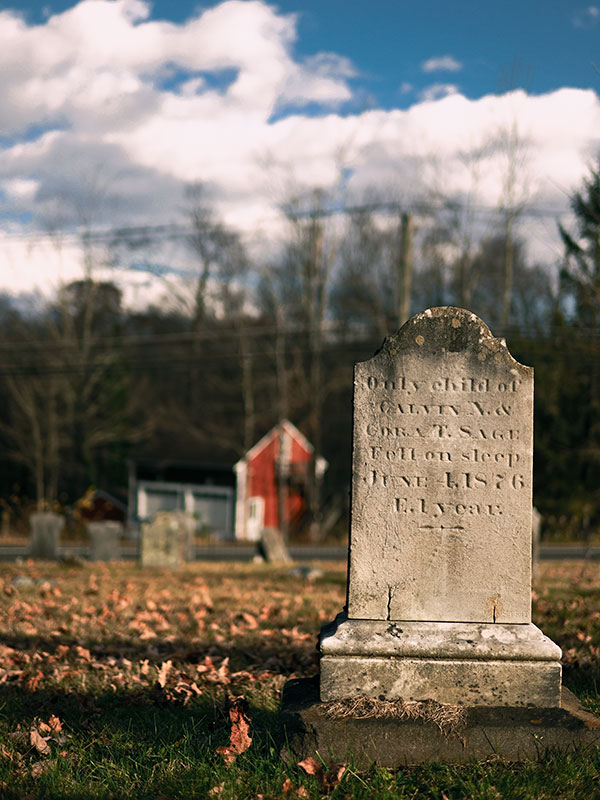
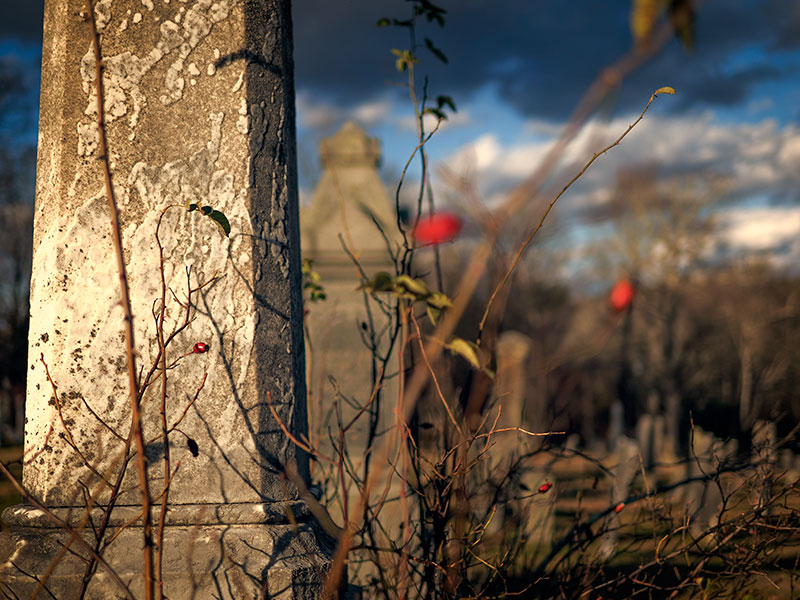
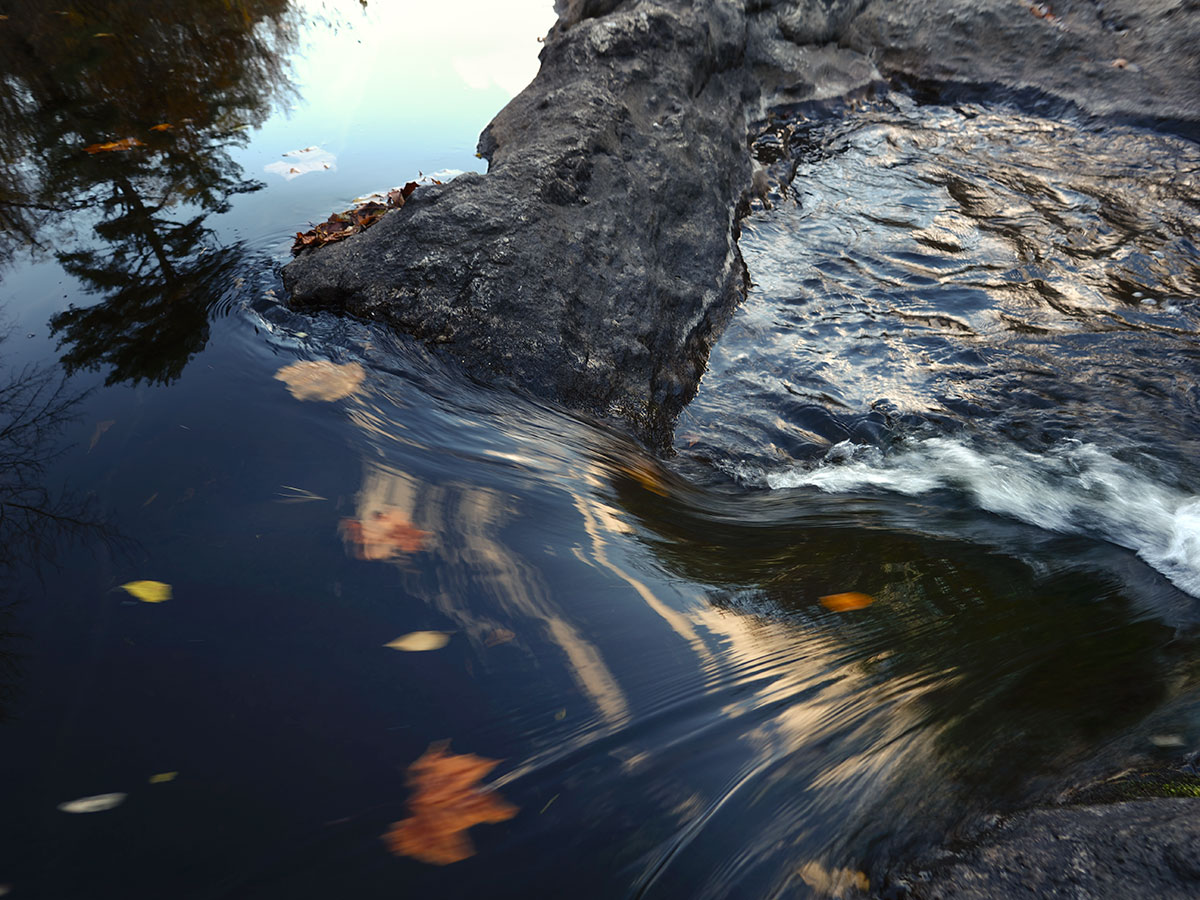
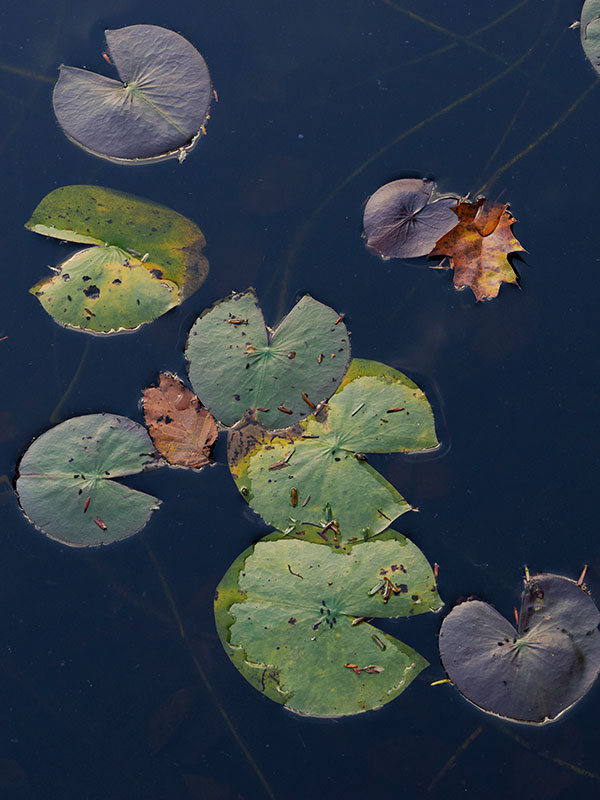
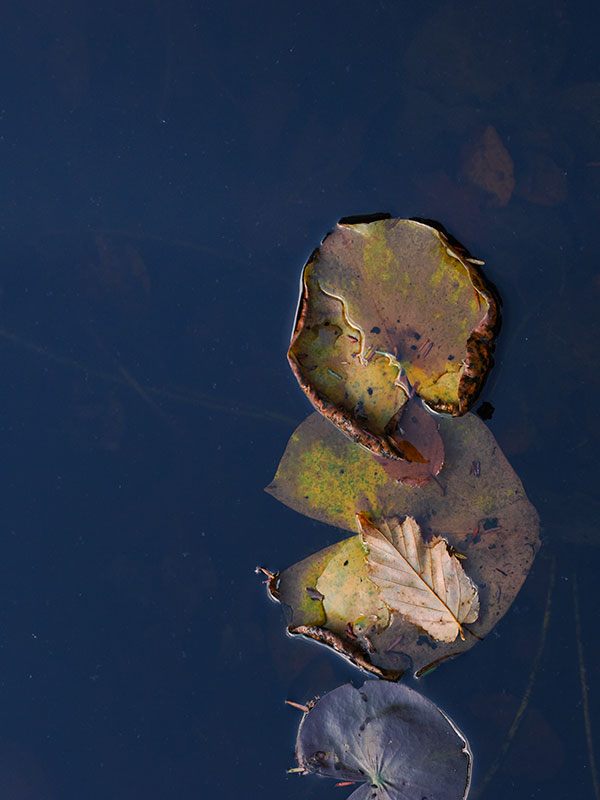
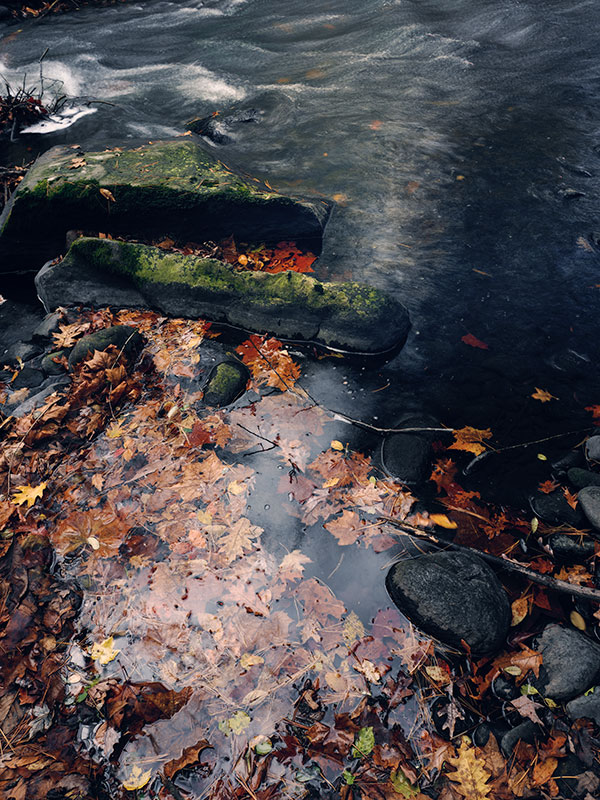
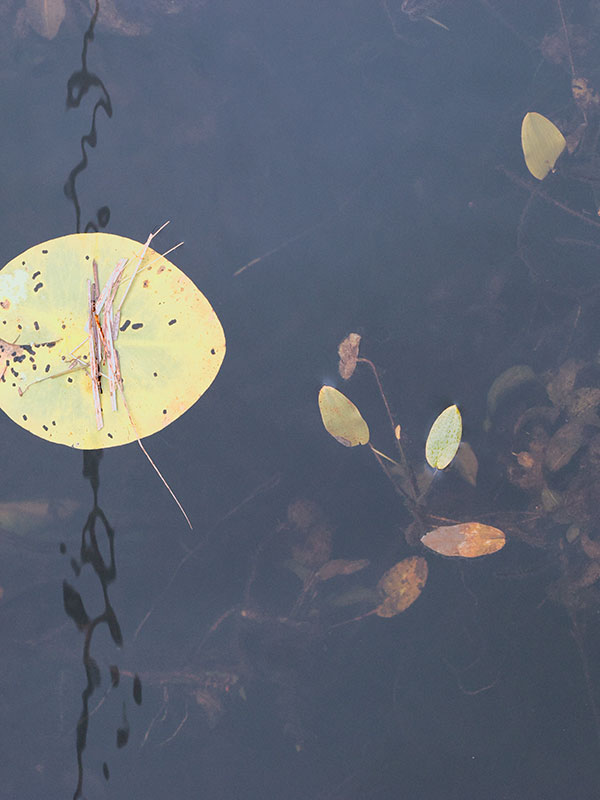
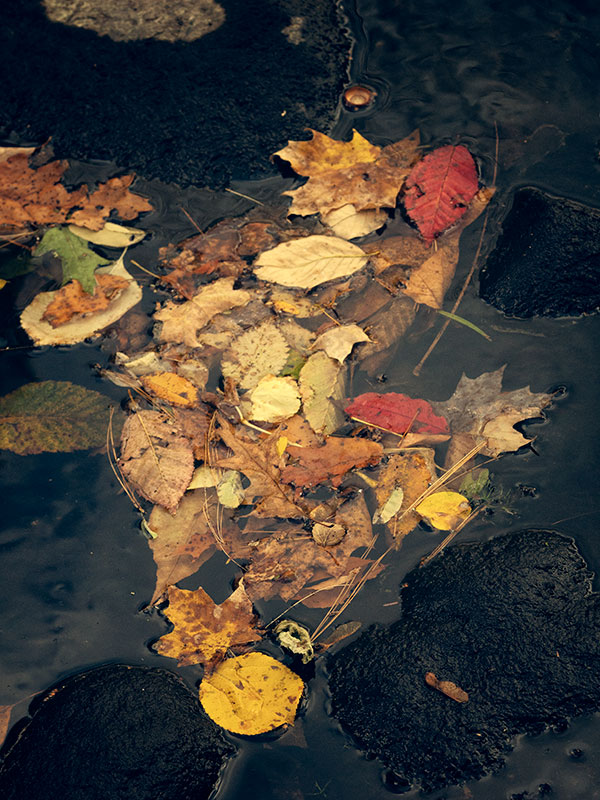
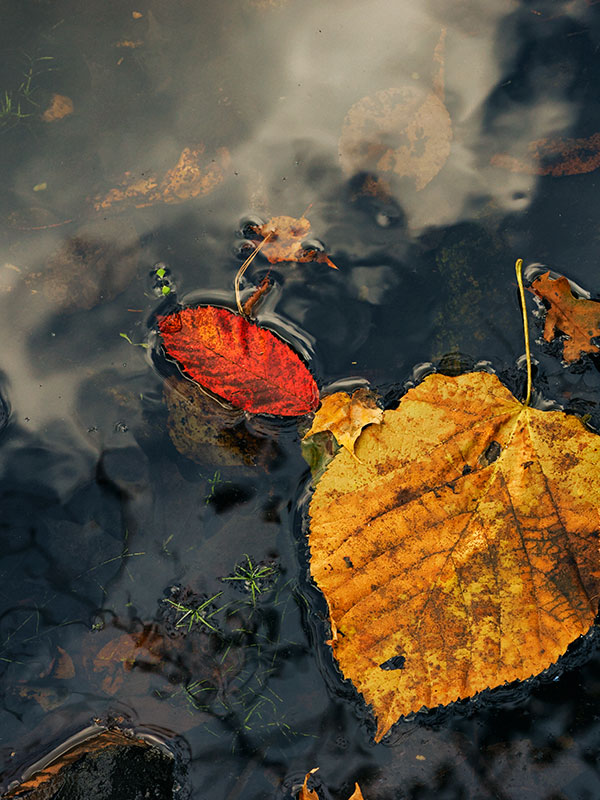
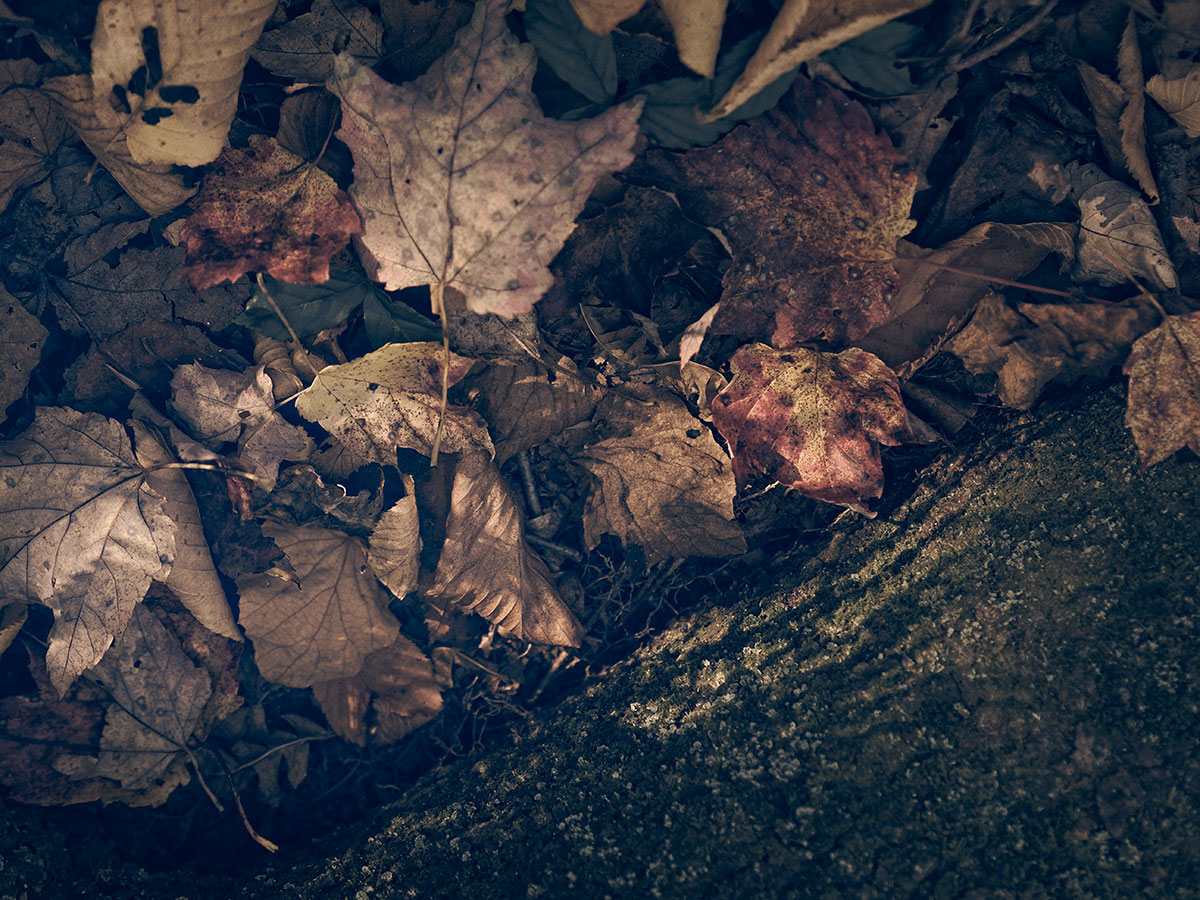
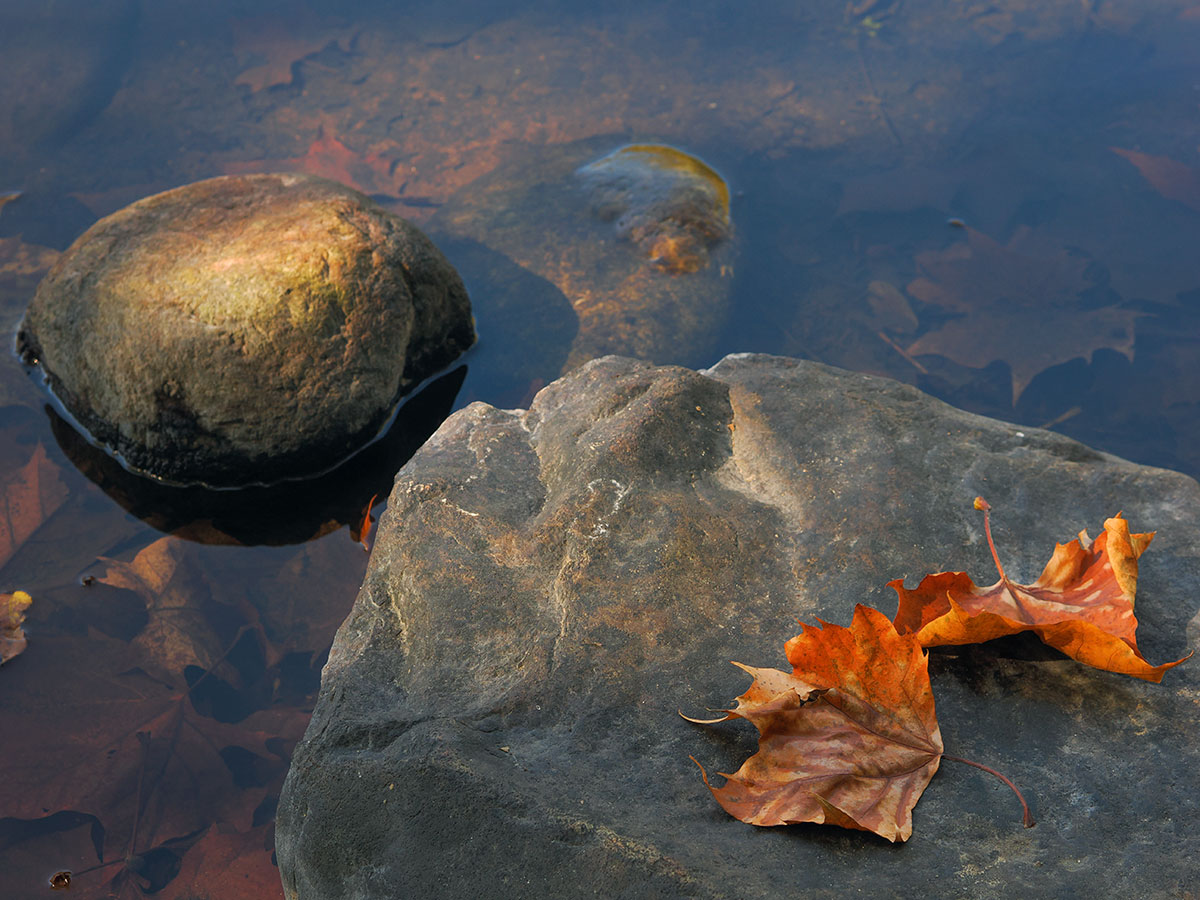
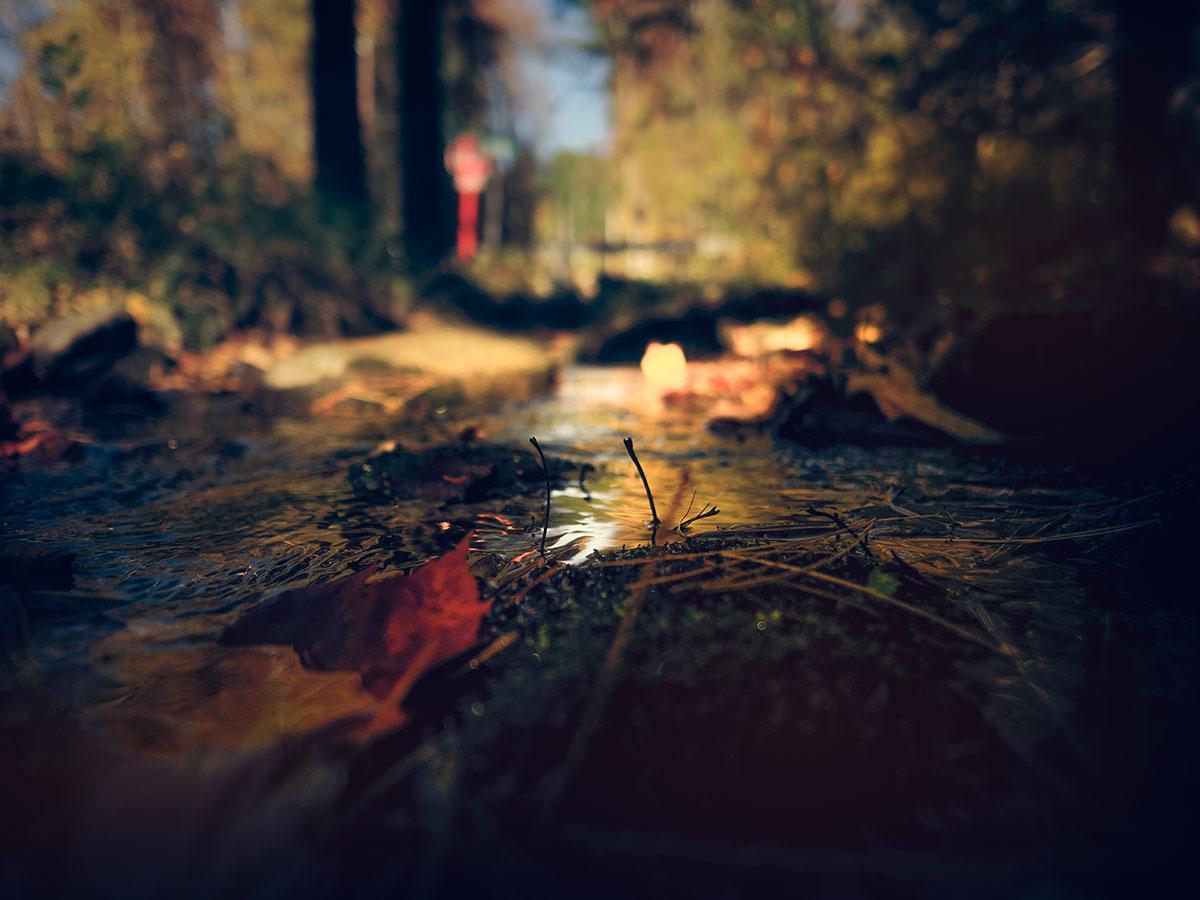
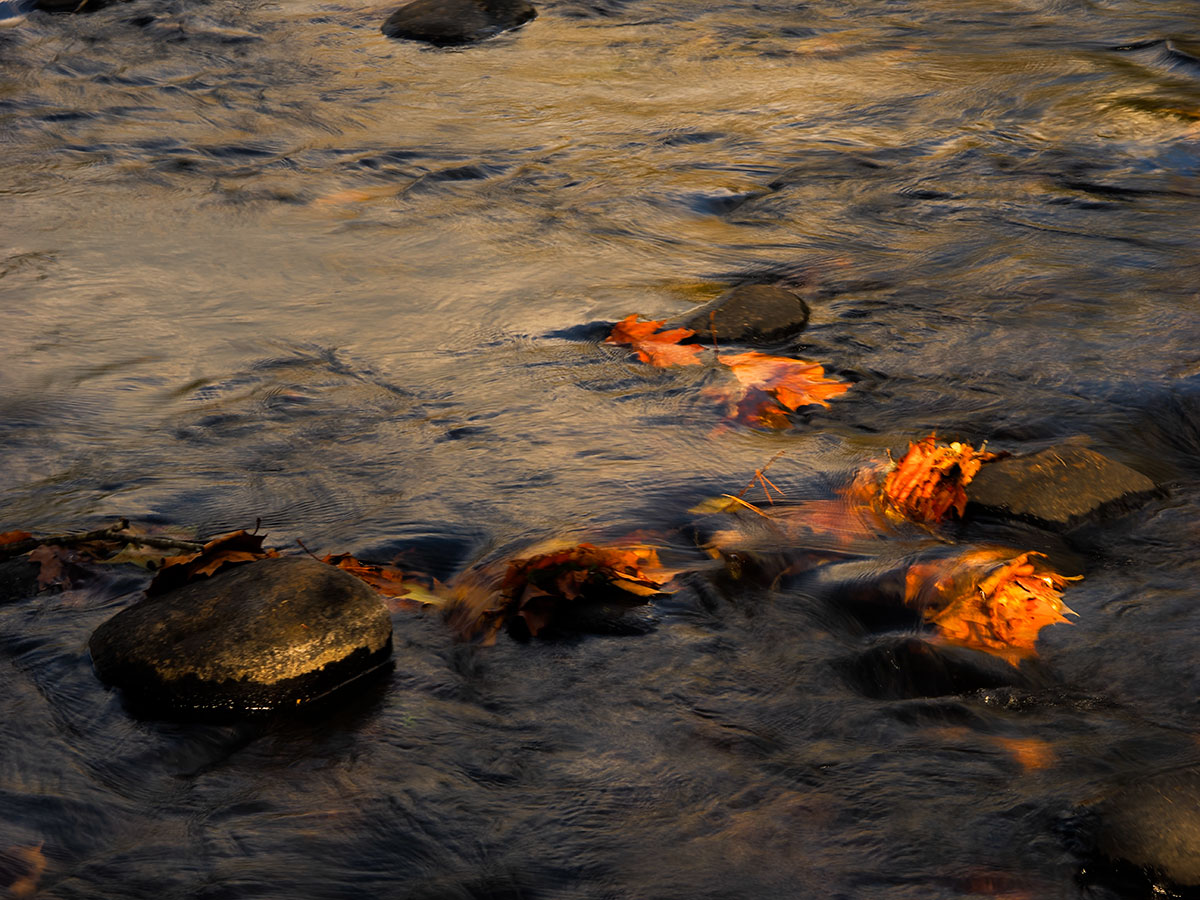
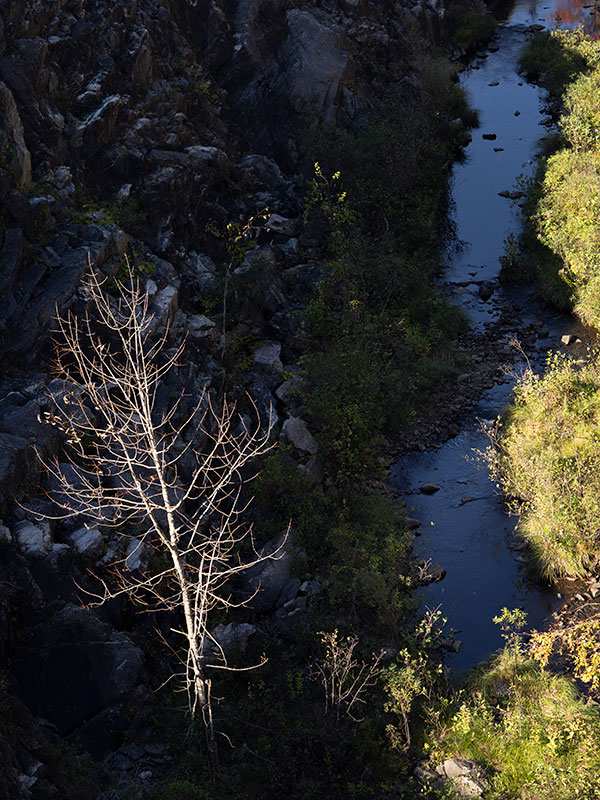
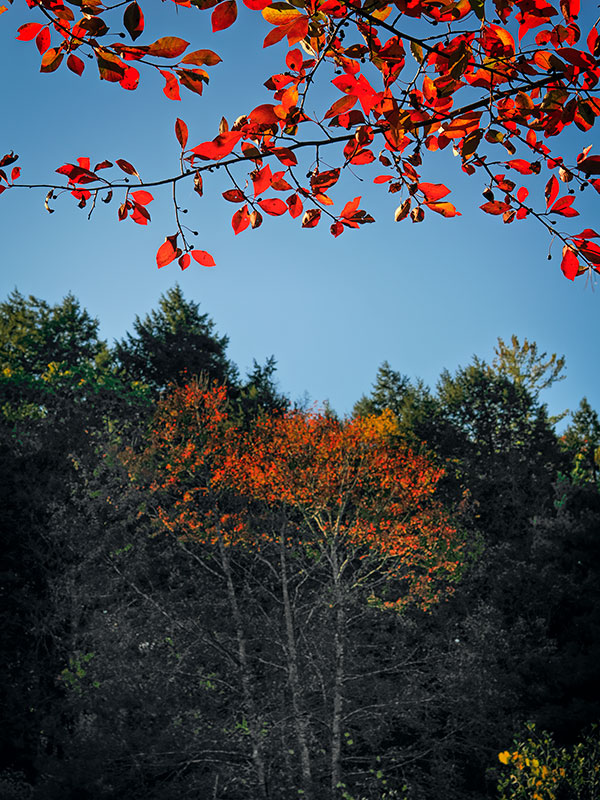
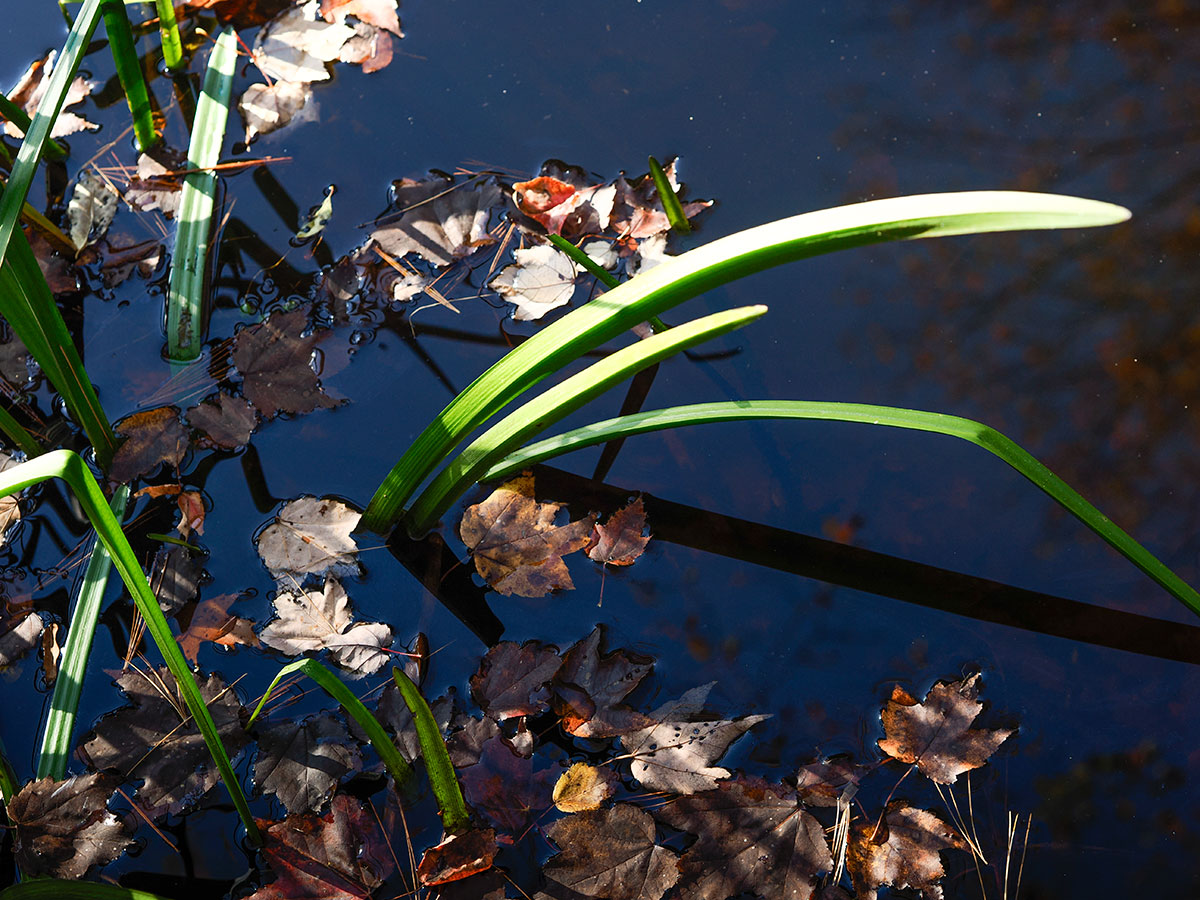
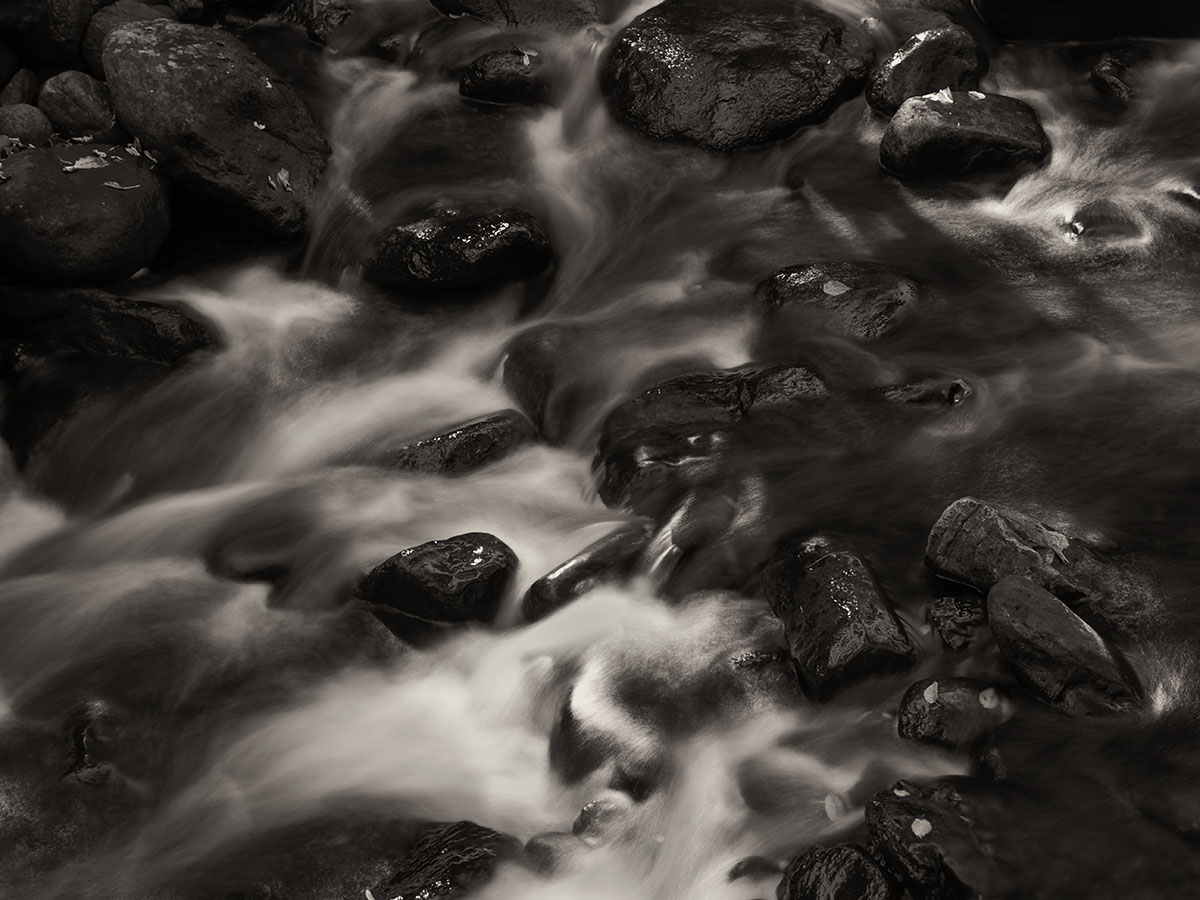
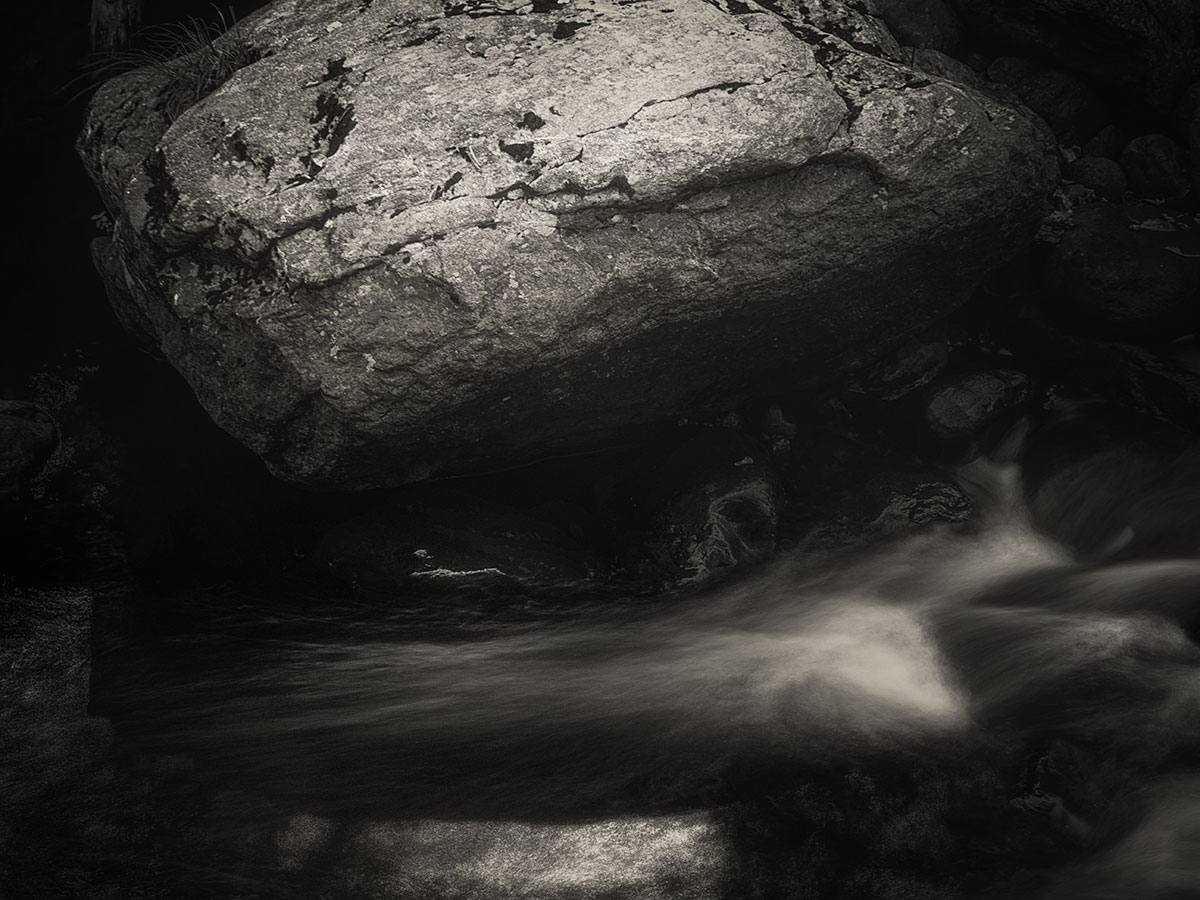
I photographed this group a few days ago in a rocky stretch of the Farmington River. There’s an especially lovely section flowing south from the village of Riverton CT.

How were these done? So, I used a 32 ND setting for the silky blur of moving water and then the hard part began: finding groups of well-lit maple leaves without falling into the river. The pictures were taken at 1/4 second and the camera is the OM Systems OM 3.

home

Reaching Across (Finding The Blatchley Walking Stick)

Along with our son and his girlfriend (and their good eyesight and entomology interests), we located a number of these interesting insects yesterday in the upper field of a land trust here in New Hartford. Click here for more info on the species. If you can’t see the bug, she’s the greenish leaf-like creature in the center of the picture. I put the sky behind her.

View From West Mountain

Three pictures from a very quiet hike this past Friday to the top of West Mountain. The traprock ridge forming this mountain is a Simsbury Land Trust preserve, paralleling the main Metacomet Ridge to the east. We could see Mt. Tom in MA from here.

While photographing this spot, I thought of the many understated 19th century landscapes which exist. In the US, many of these were stereoviews from the 1860’s; affordable albumen prints intended for 3d viewers from places like the White Mountains, Niagara Falls and Watkins Glen. At the same time that these were being made, the Civil War was in progress and Brady, Gardiner and others were shooting their scenes of the battlefield dead.

home

Traprock (Monochromes)

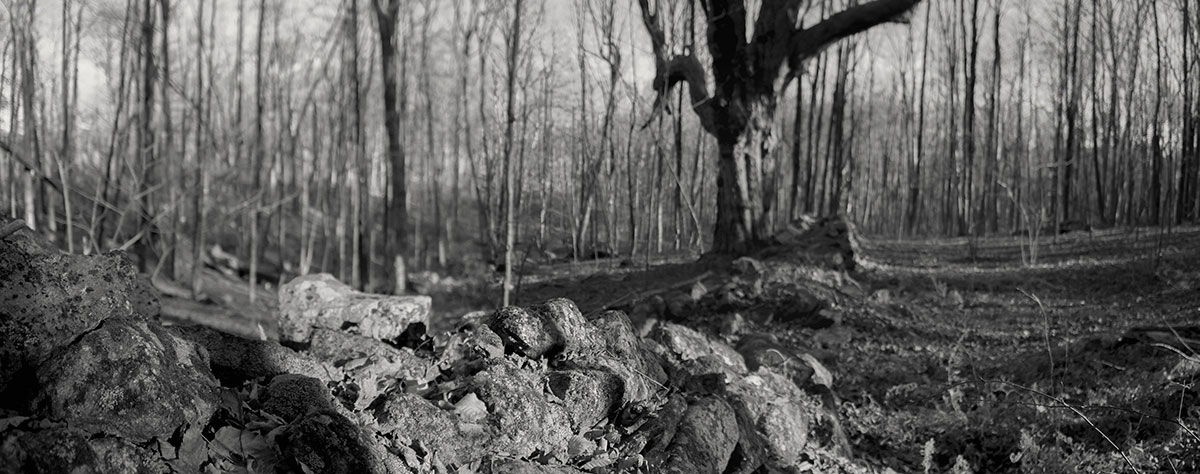
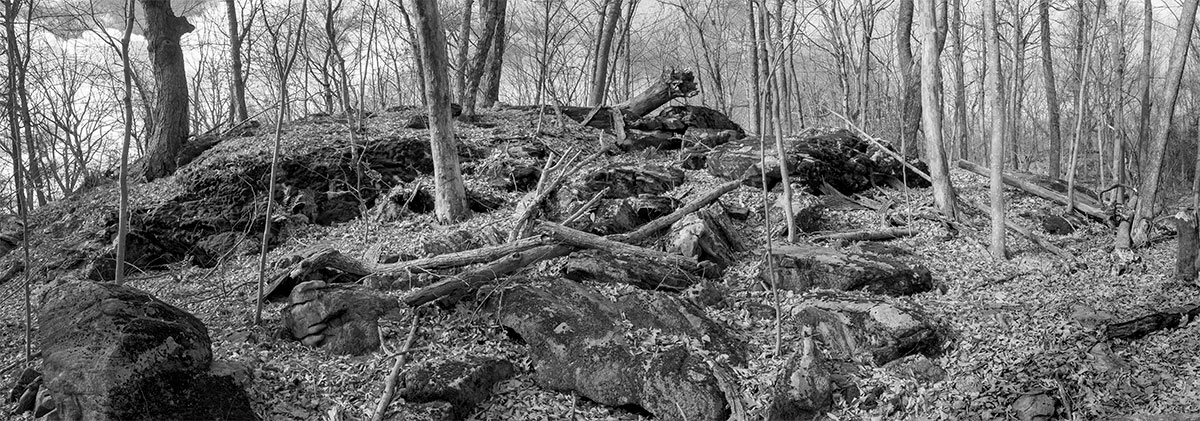
Five pictures in black and white may help suggest some of the deep summer mood and dry crunchy feeling around the traprock ridges in Simsbury and East Granby, CT. The blocks of rock on the upper right are formations of traprock, just off the Metacomet trail. The tree on the bottom right isn’t on the ridge but is just a half mile or so from the trailhead. I’ve included it here because it’s the largest Black Oak in the United States.

home

Traprock Walks

Bear with me for a minute of geology.

New England’s Connecticut River valley is actually a rift valley (i.e. not created by the river). Because of that, we’re fortunate to have some unique places to explore here in Connecticut and Massachusetts. Many folks are familiar with the Metacomet Ridge, Mt. Tom in Northampton and The Sleeping Giant near Hamden. I’ve been poking around on the northern CT section of the Metacomet, and on neighboring ridges in Simsbury and Granby. There’s many places here where you can spend the day alone.

In geologic time, the rift was a “recent” event, formed 200 million years ago when Africa separated from North America. Pressures from the separating continents forced up magma creating the thin basalt ridges now found in the middle of both states. In places, the ridge is so thin that it creates a “hogback” path only thirty feet wide, with a steep drop on both sides. Over time, a drier habitat developed here, slightly different from what you’ll find on nearby mountains. Eastern white pine, Eastern red cedar and Chestnut Oak are common, and this is one of the only places in Connecticut to find the Northern Copperhead (snake).

The basalt, which breaks off in distinctive grey and tan blocks, is known as “traprock.” I’ve been walking and photographing the traprock and you’ll be seeing those images unfold from here.

home

The Road To Granby Oak ii

The road one takes to the 500 year old Granby Oak is Day Street. In 2010, a large box truck clipped off a limb which had hung across the road for centuries. Town authorities attributed it to the increased use of GPS for navigating shortcuts. Soon after, another limb was lost to a snowstorm. Despite the mishaps, it’s still one of the most remarkable white oaks in the country. While I was editing the picture this morning, it occurred to me that the oak was over 200 years old when photography was invented in 1839. And when Gifford Pinchot was born in the next town south of here in 1865, the tree was already historic. It would be interesting to know if the most important graduate from the Yale School of Forestry ever visited the tree as a boy.

home