Author: johntodaro
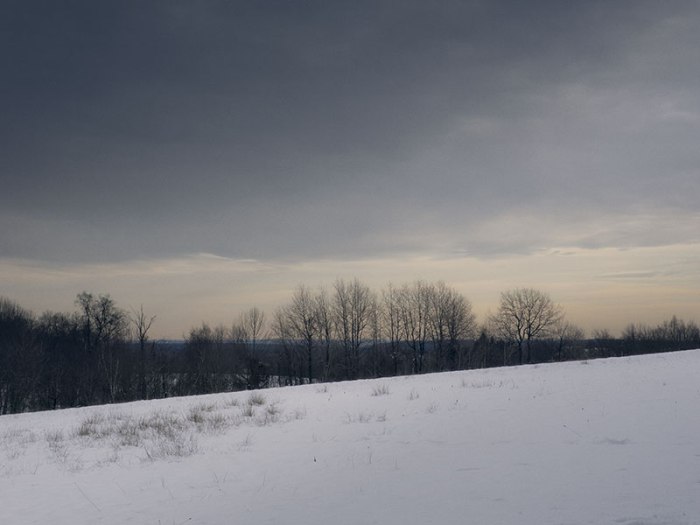
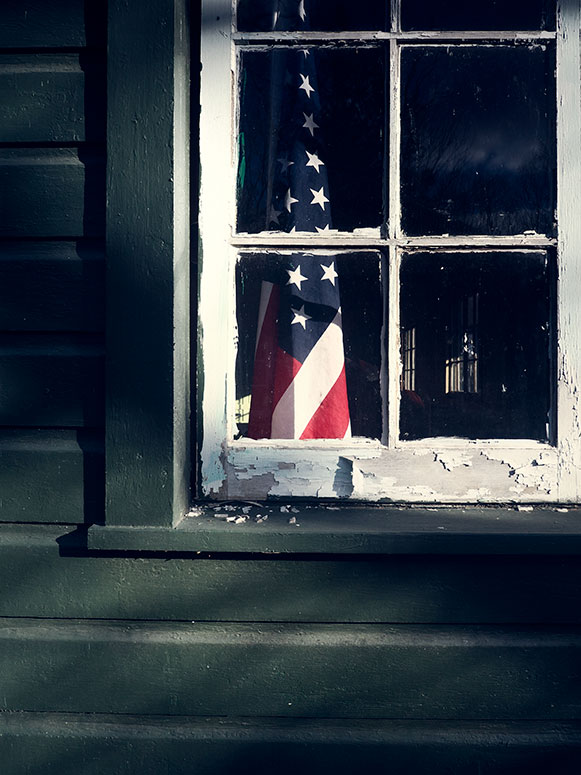
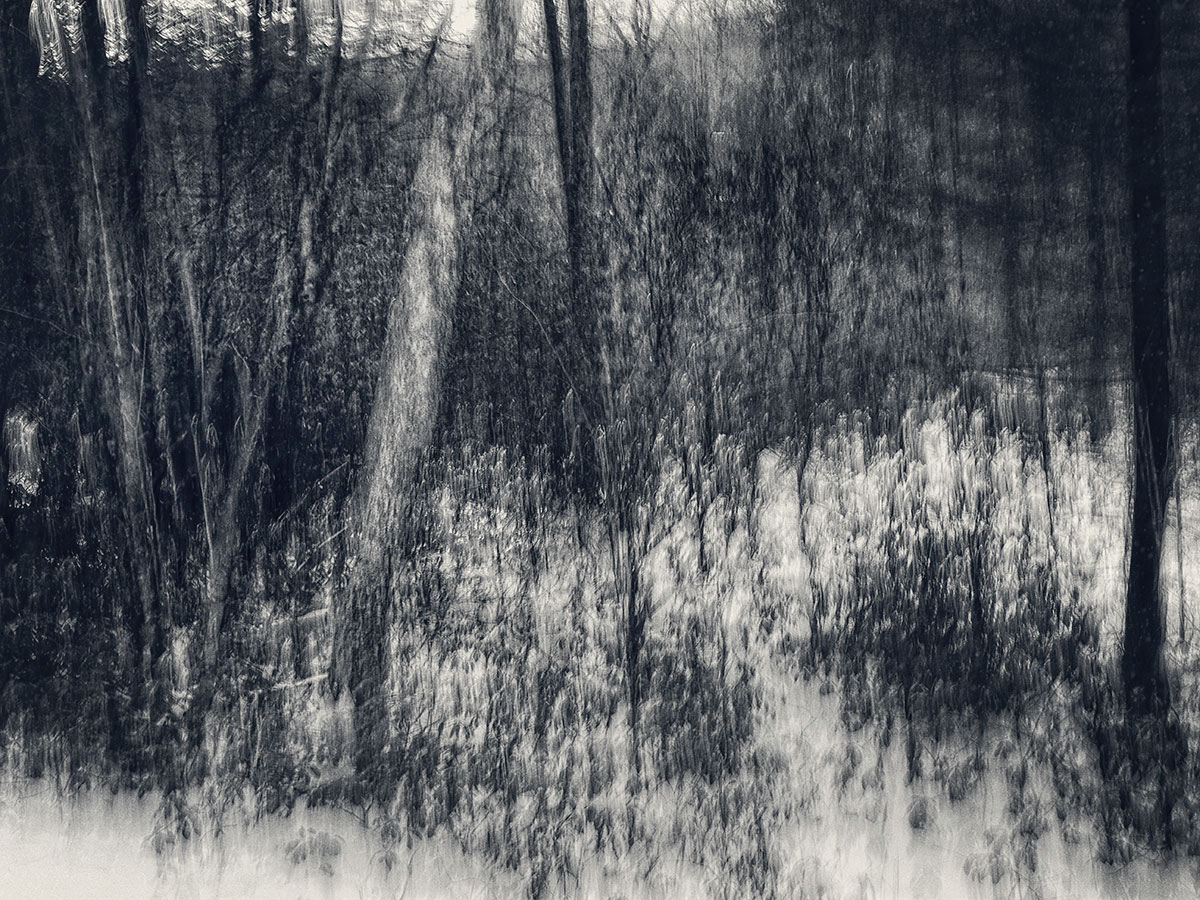
Cotton Hill 1:1
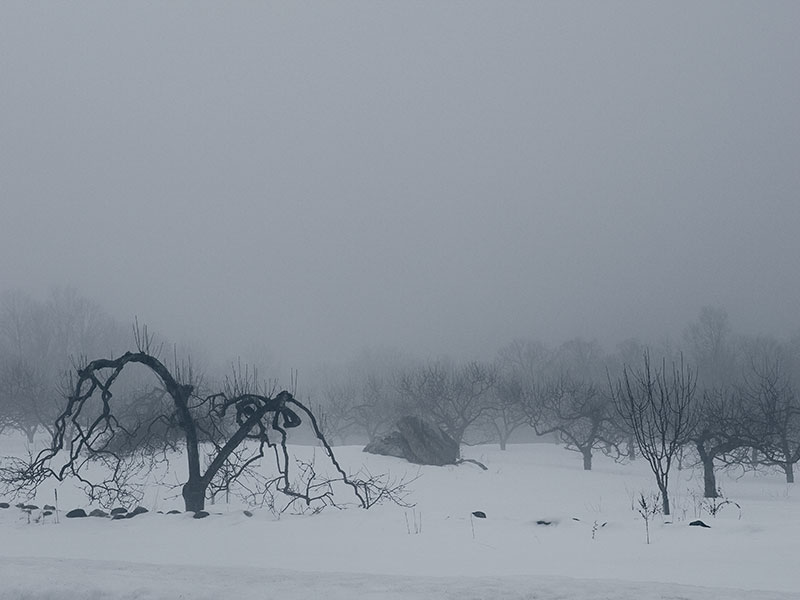
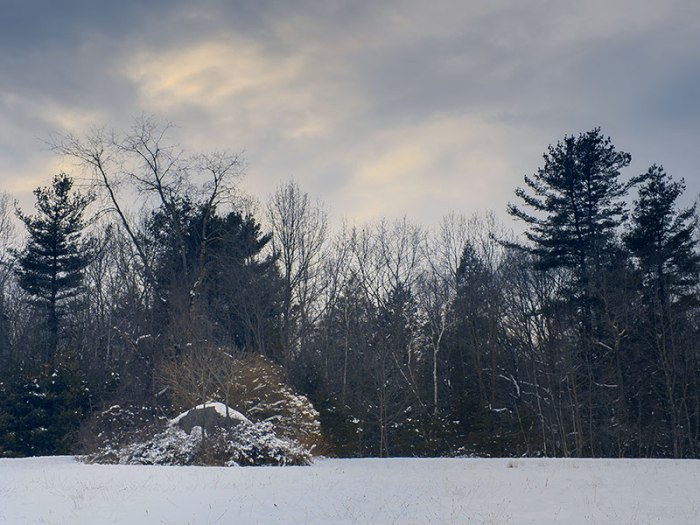
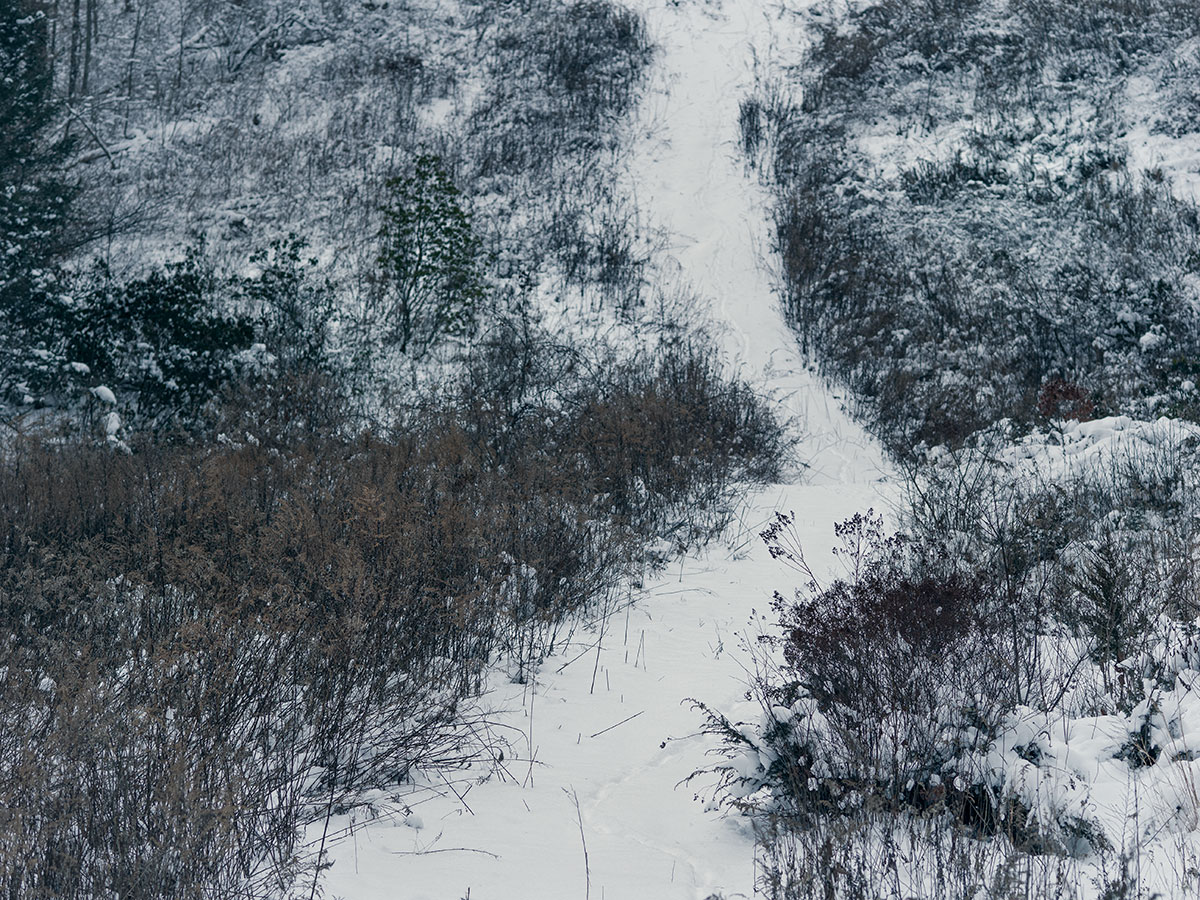
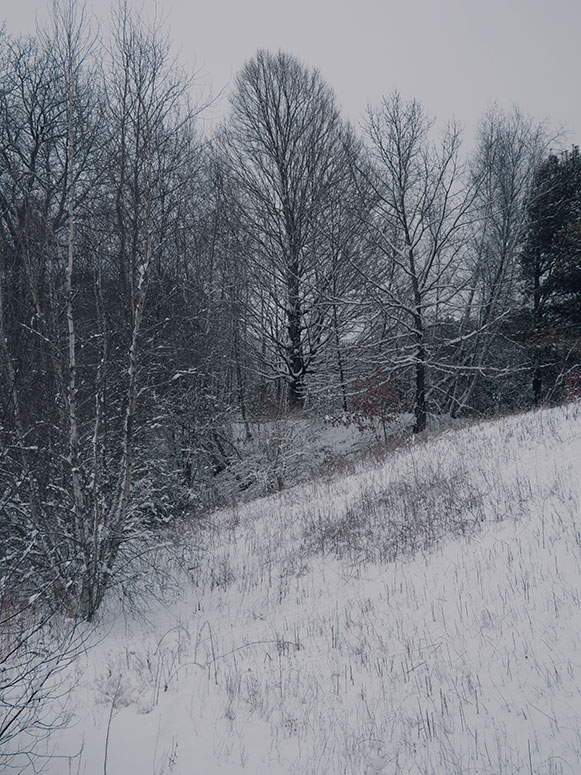
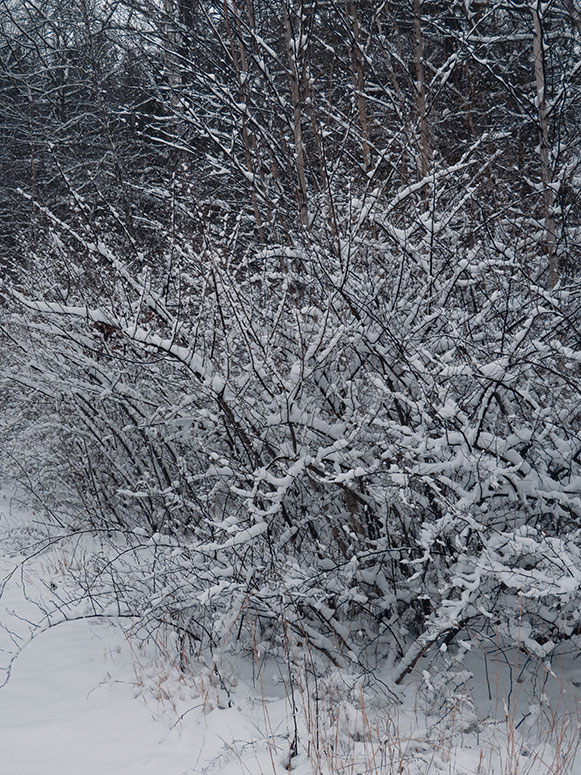
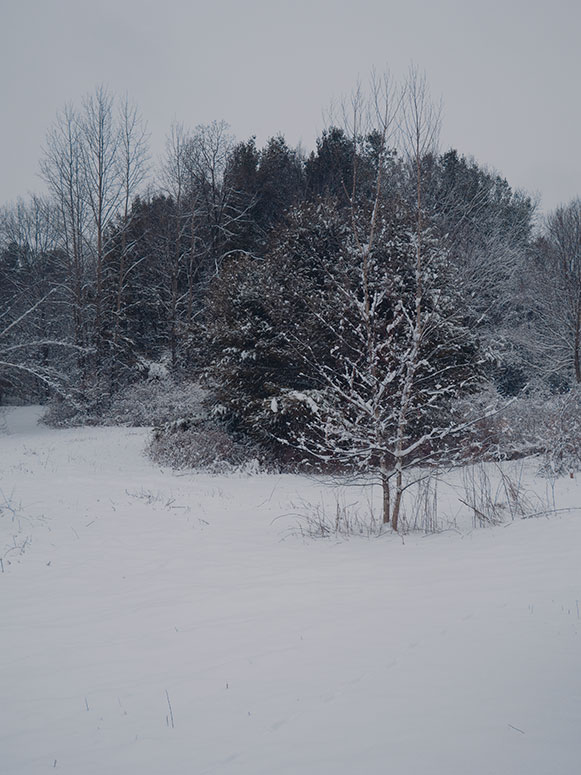
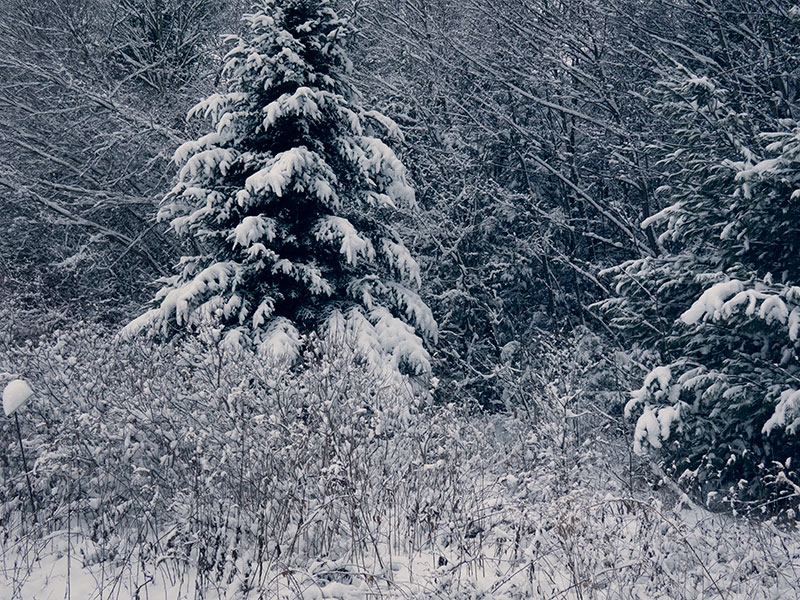
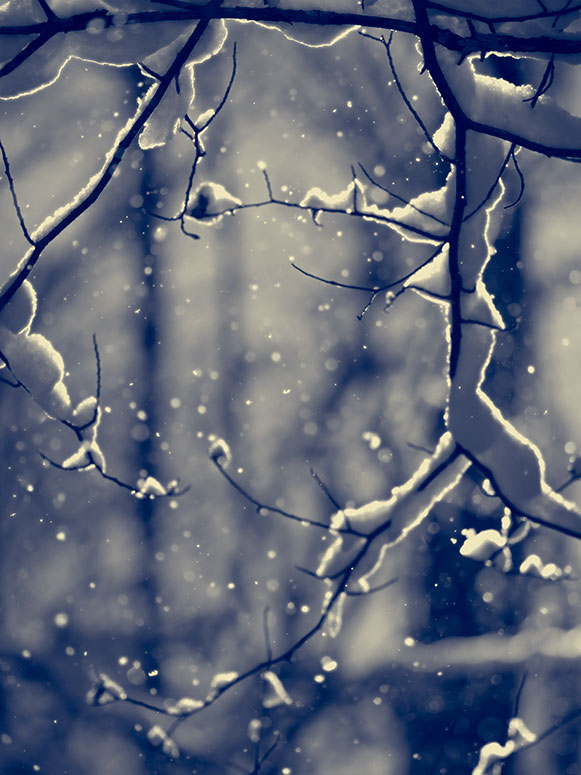
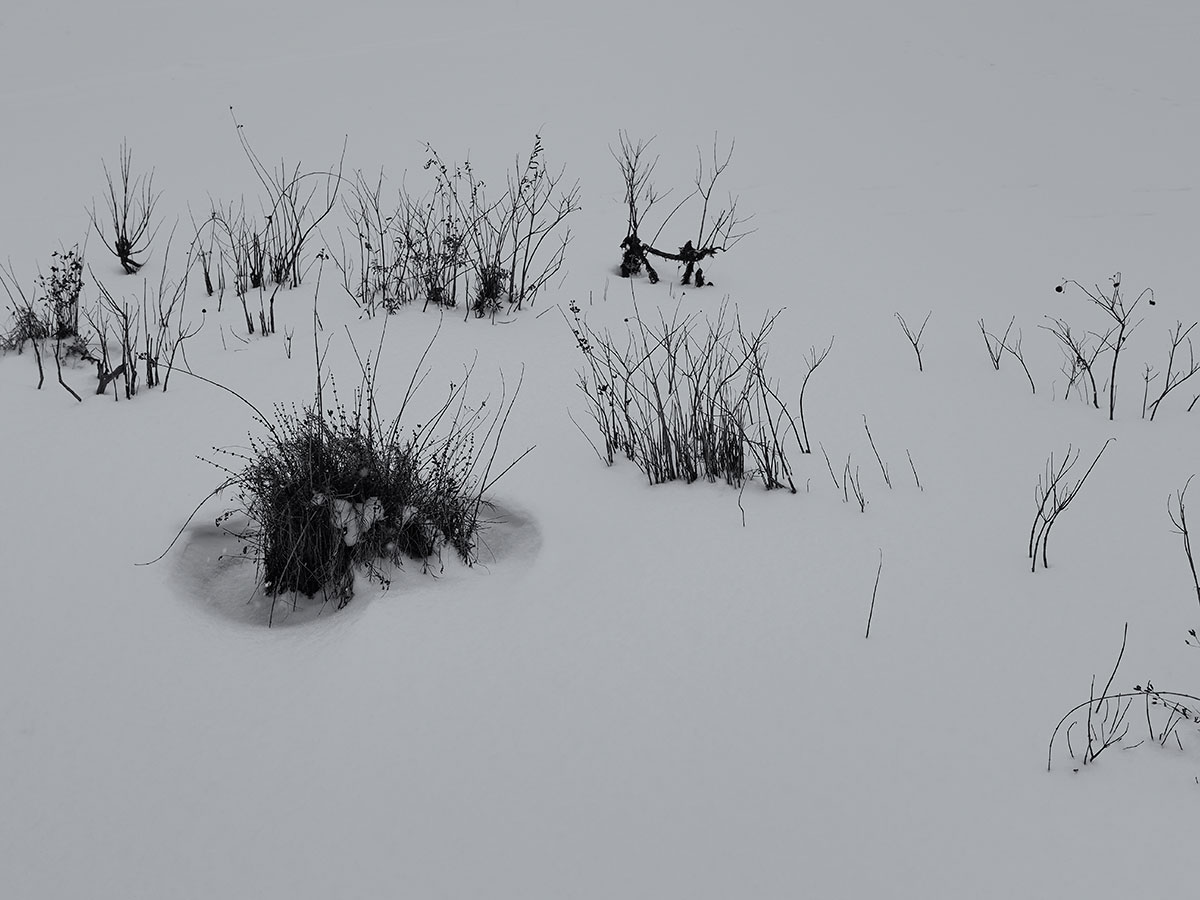
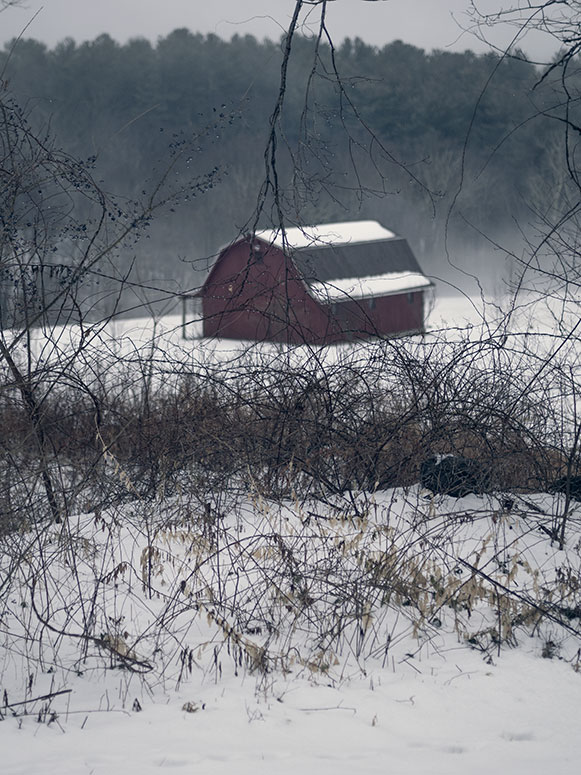
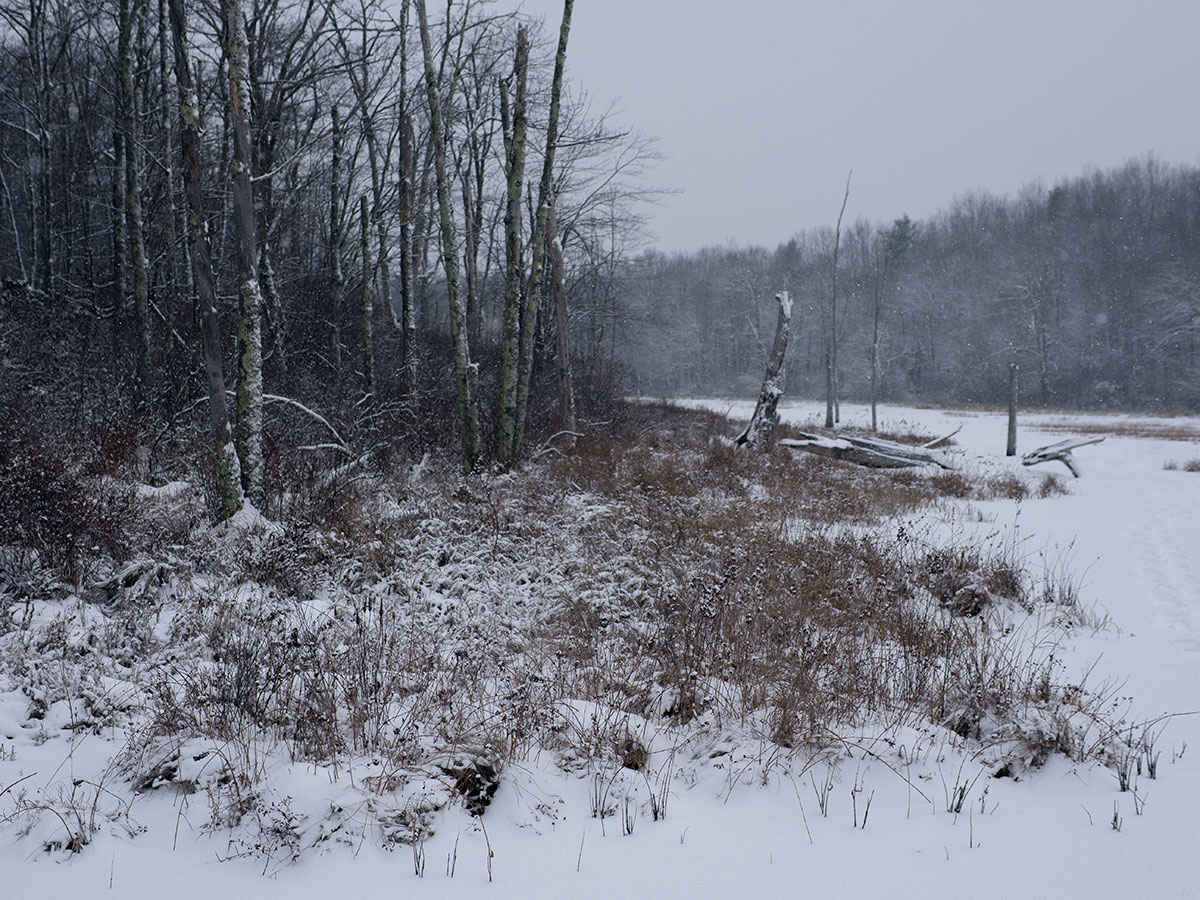
The Second Snow
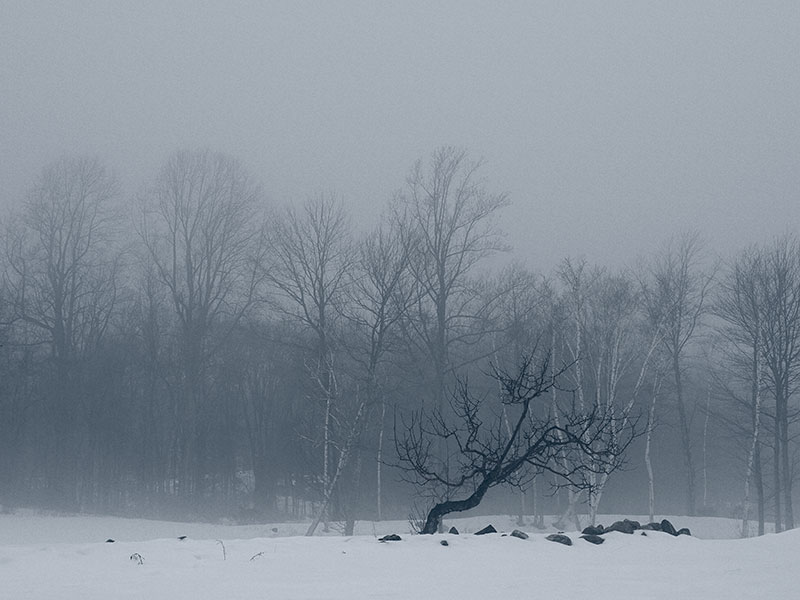
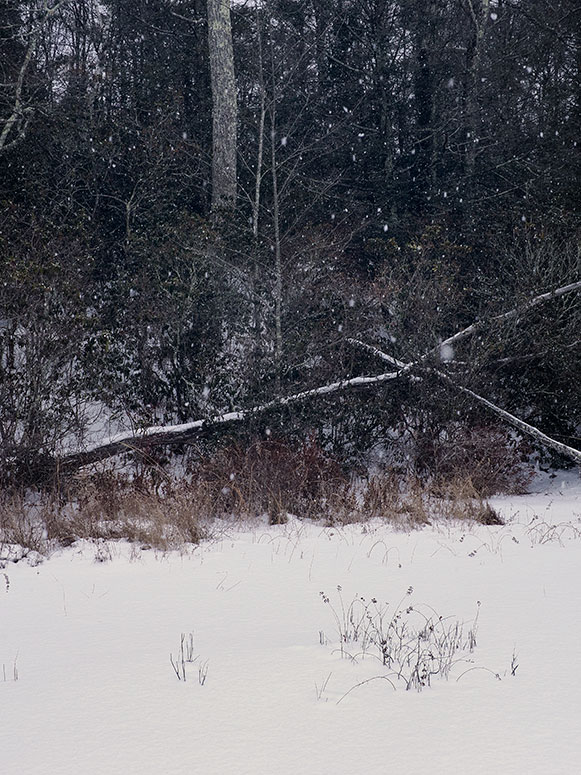
Beset
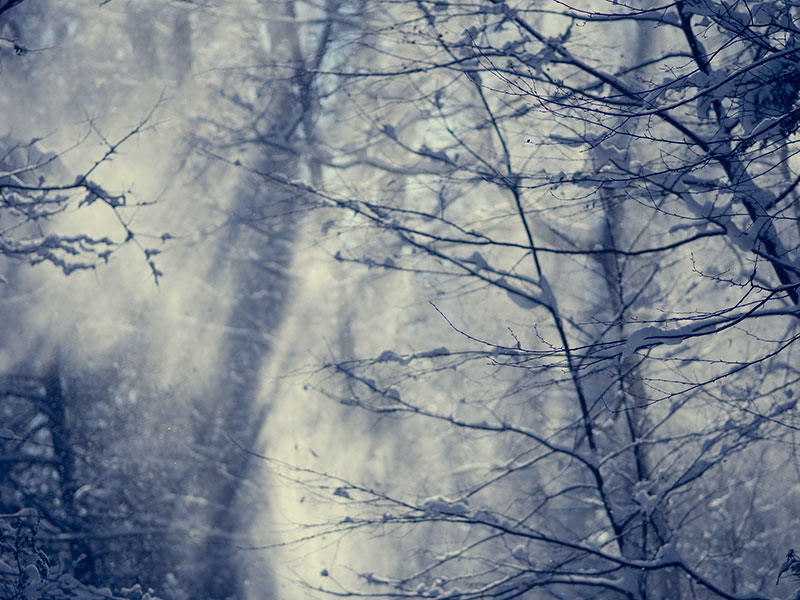
Wind On Ice
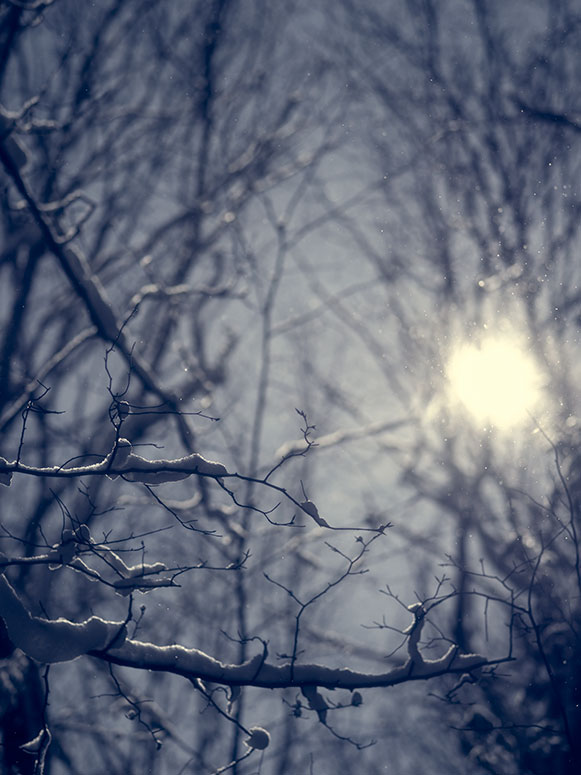
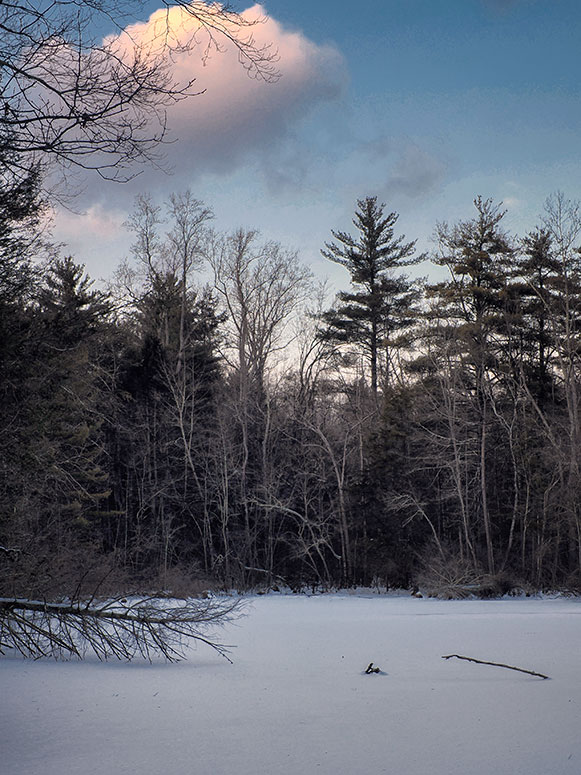
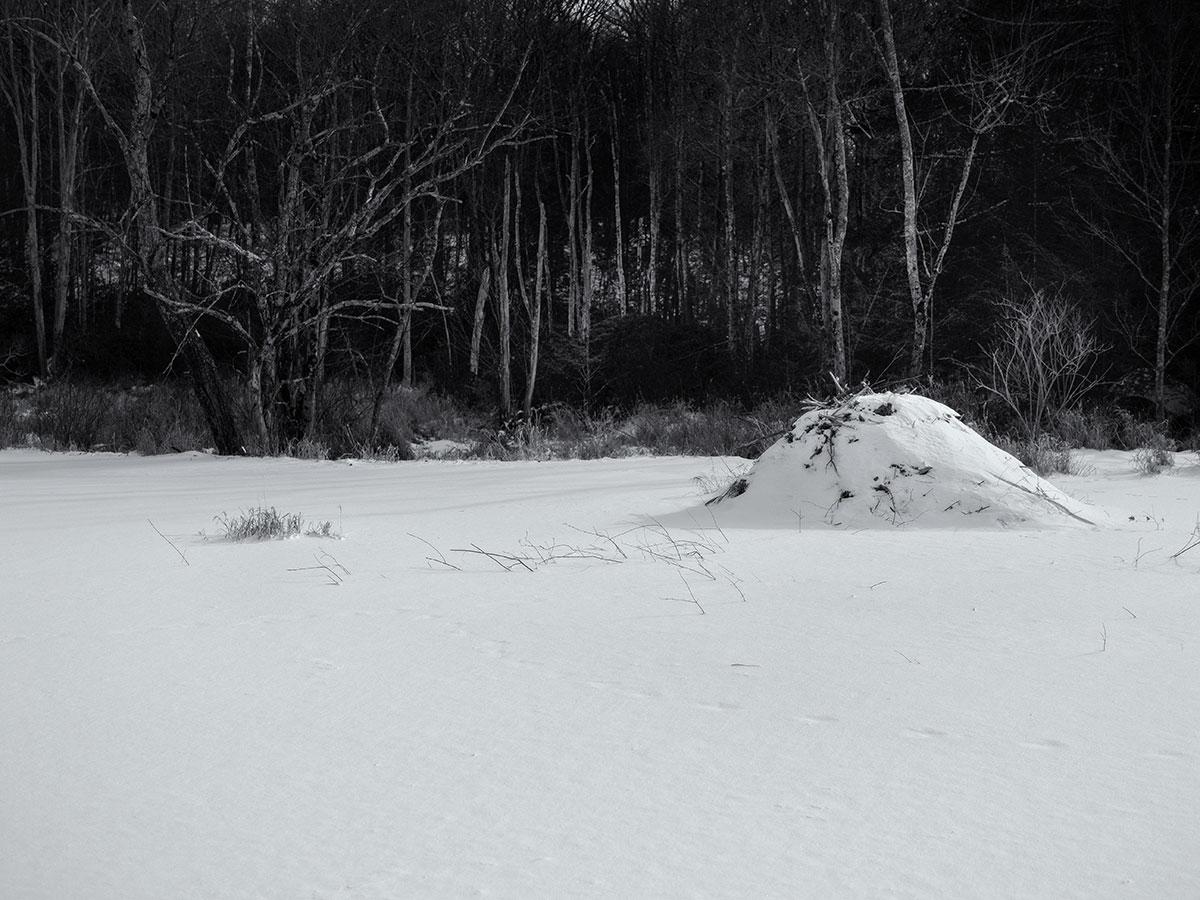
Winter Sun at Phillips Pond
Black Ice


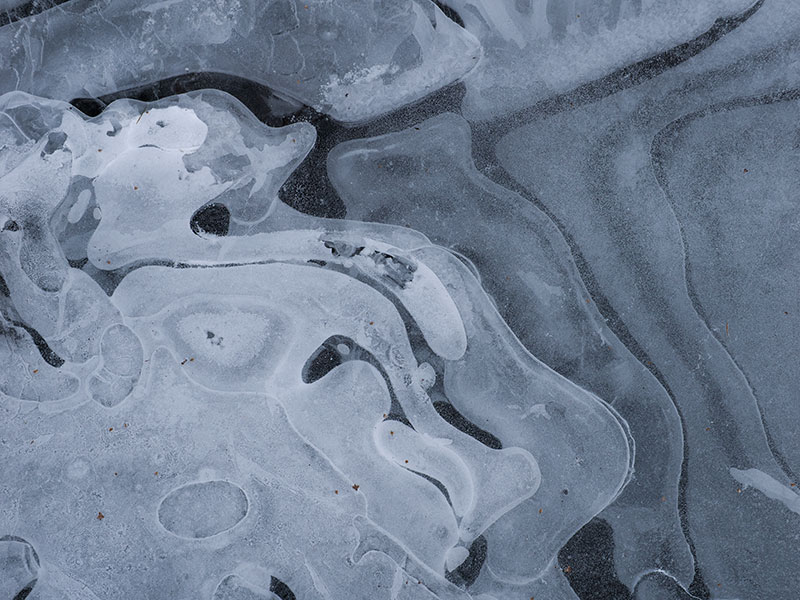
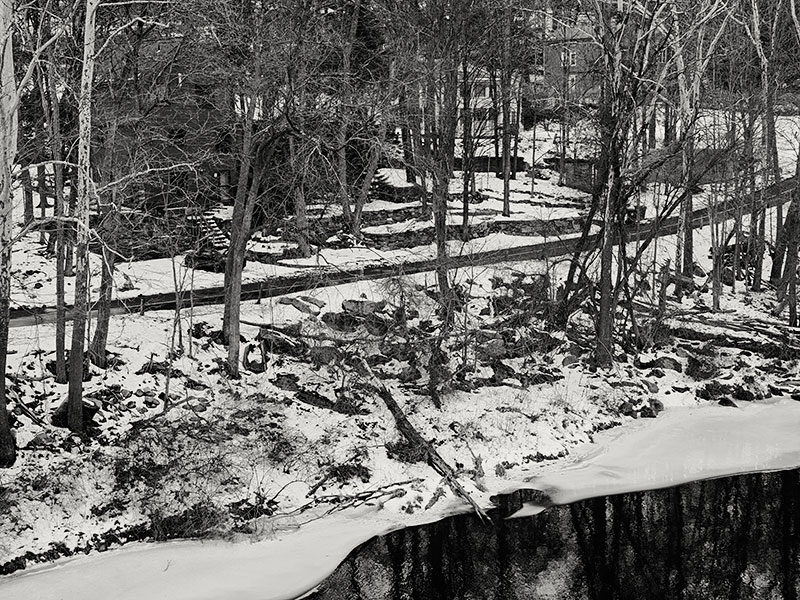
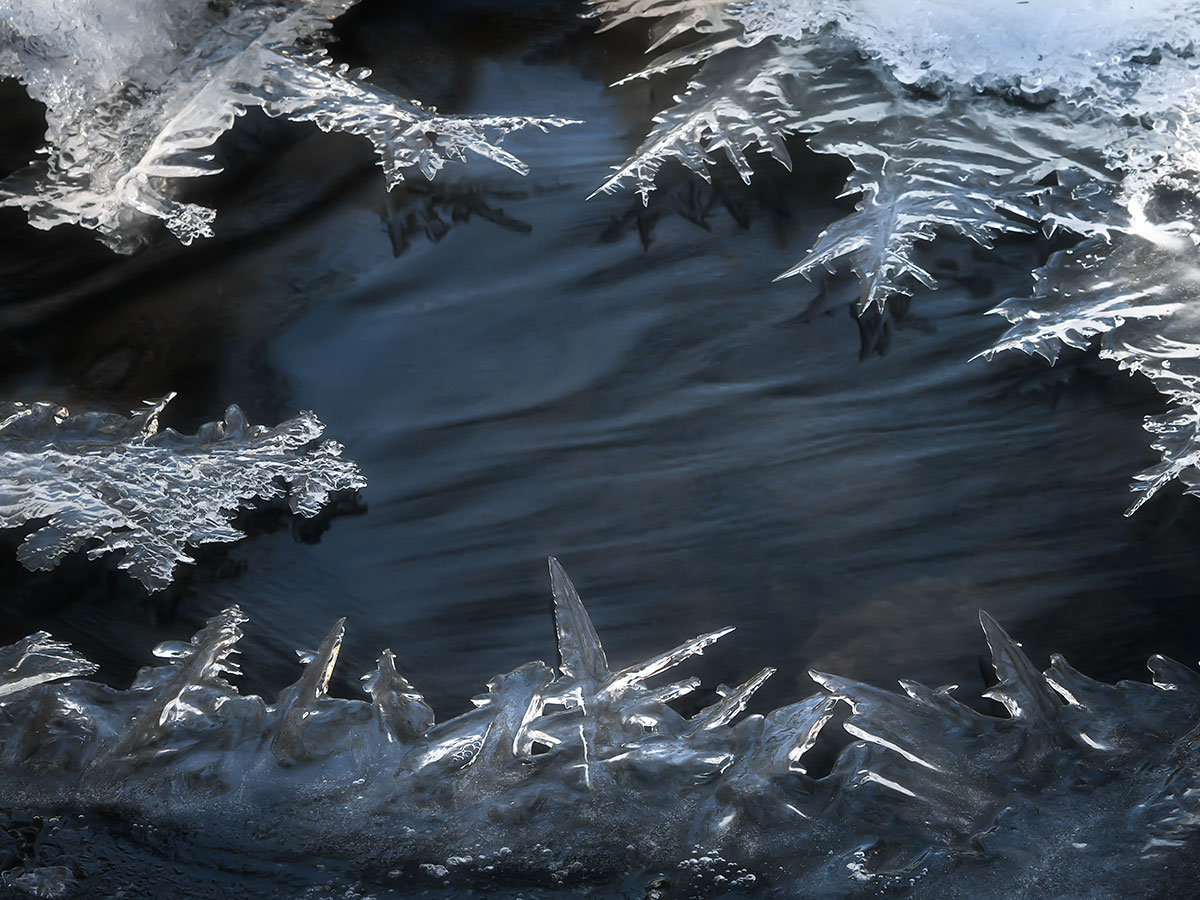
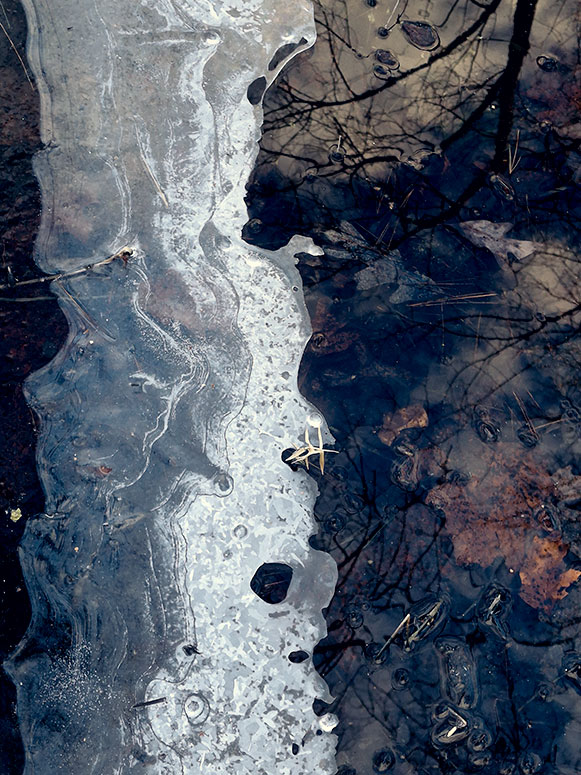
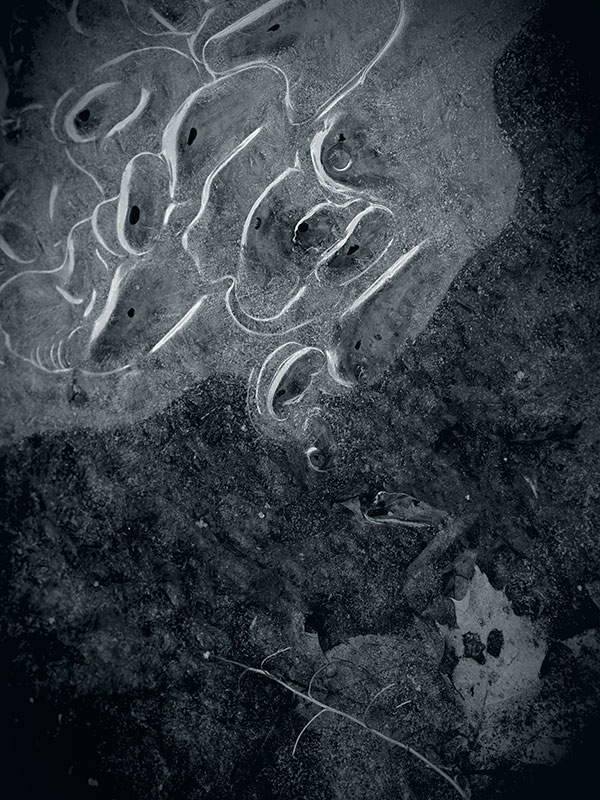
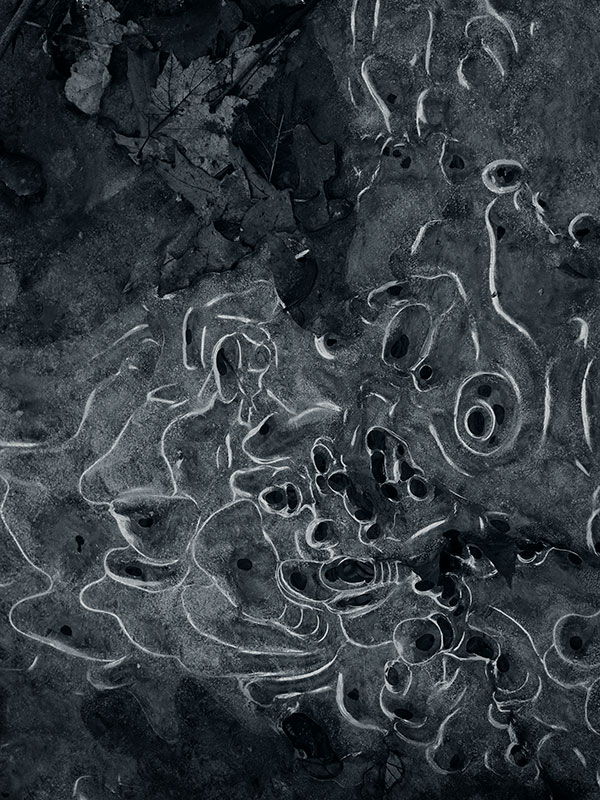
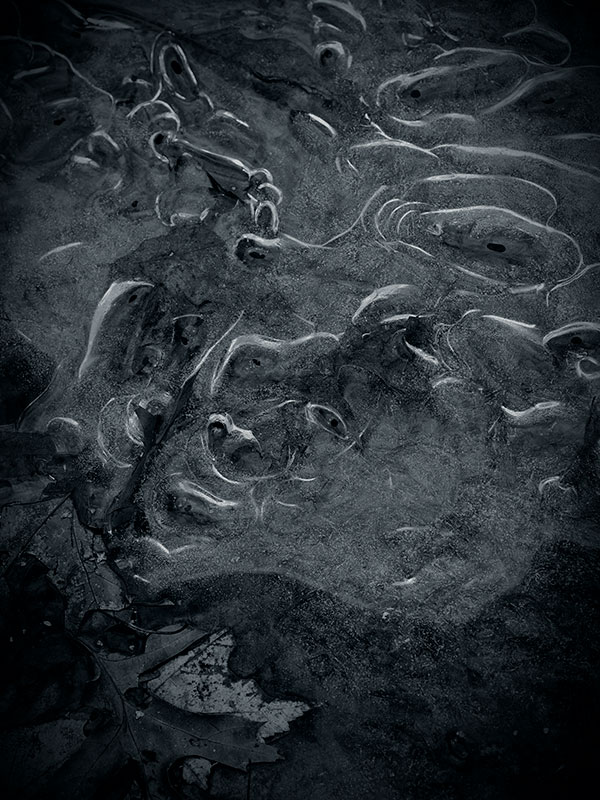
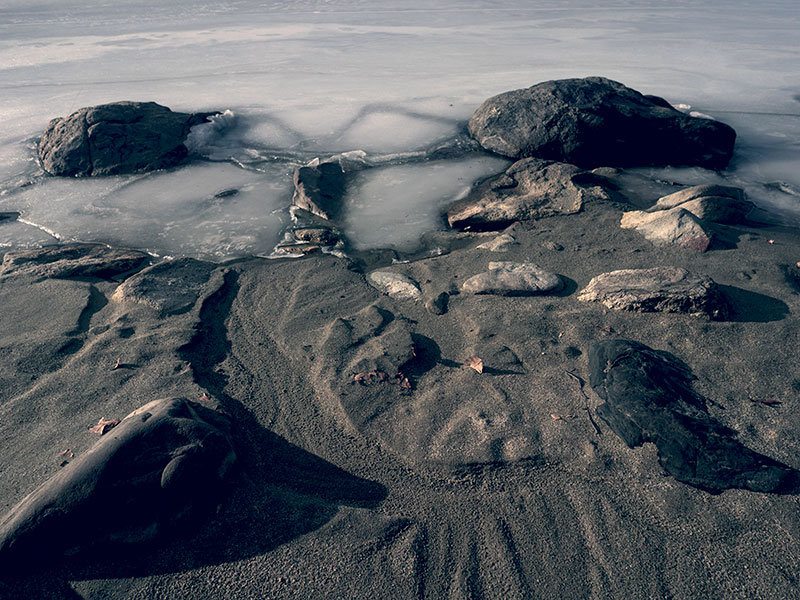
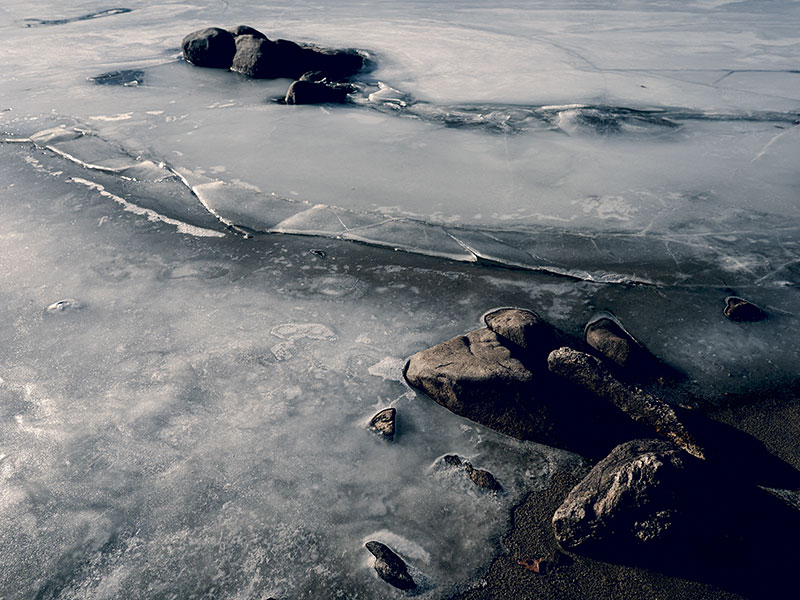
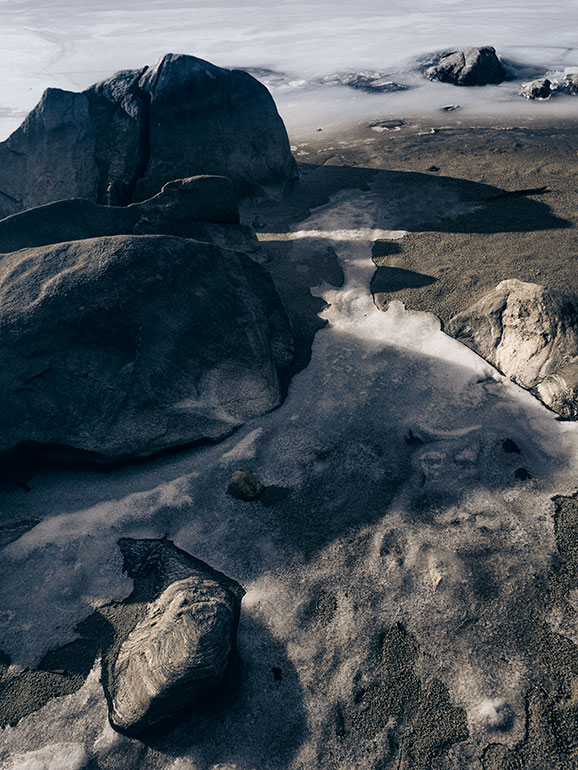
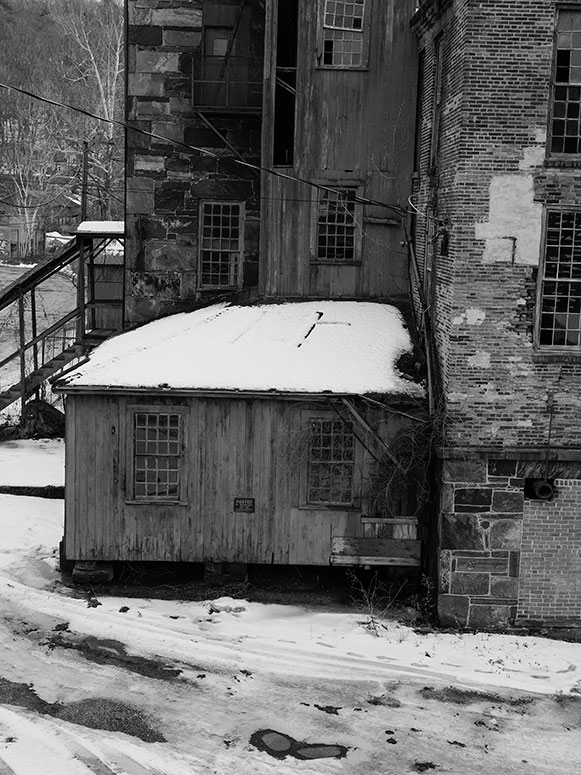
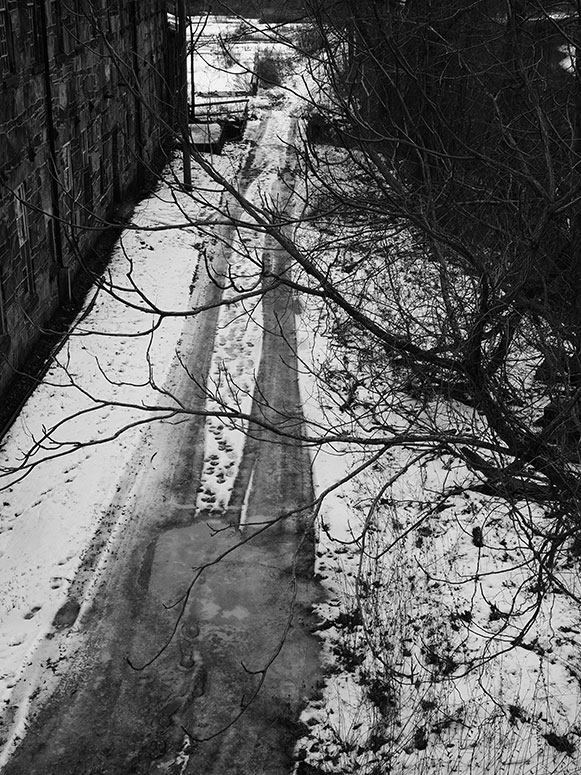
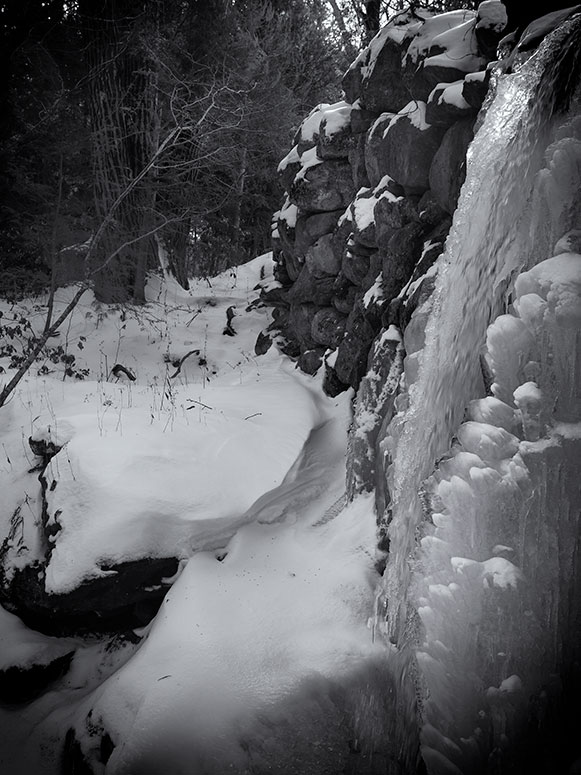
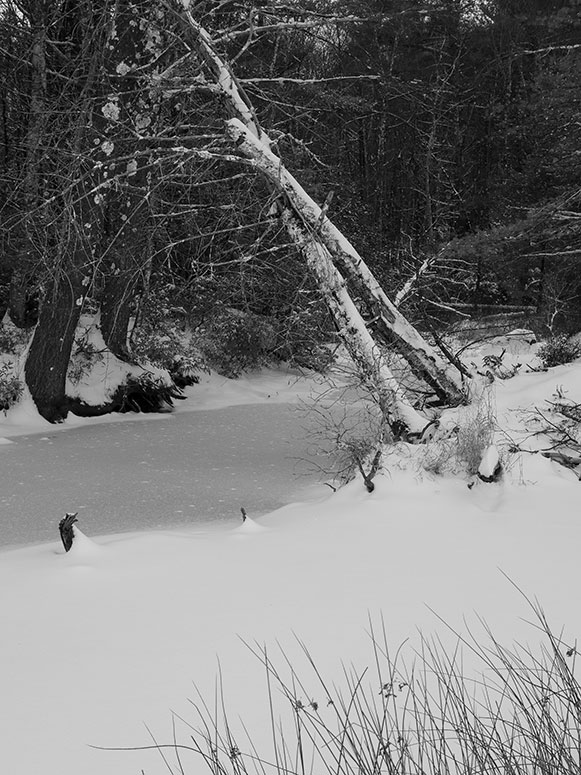
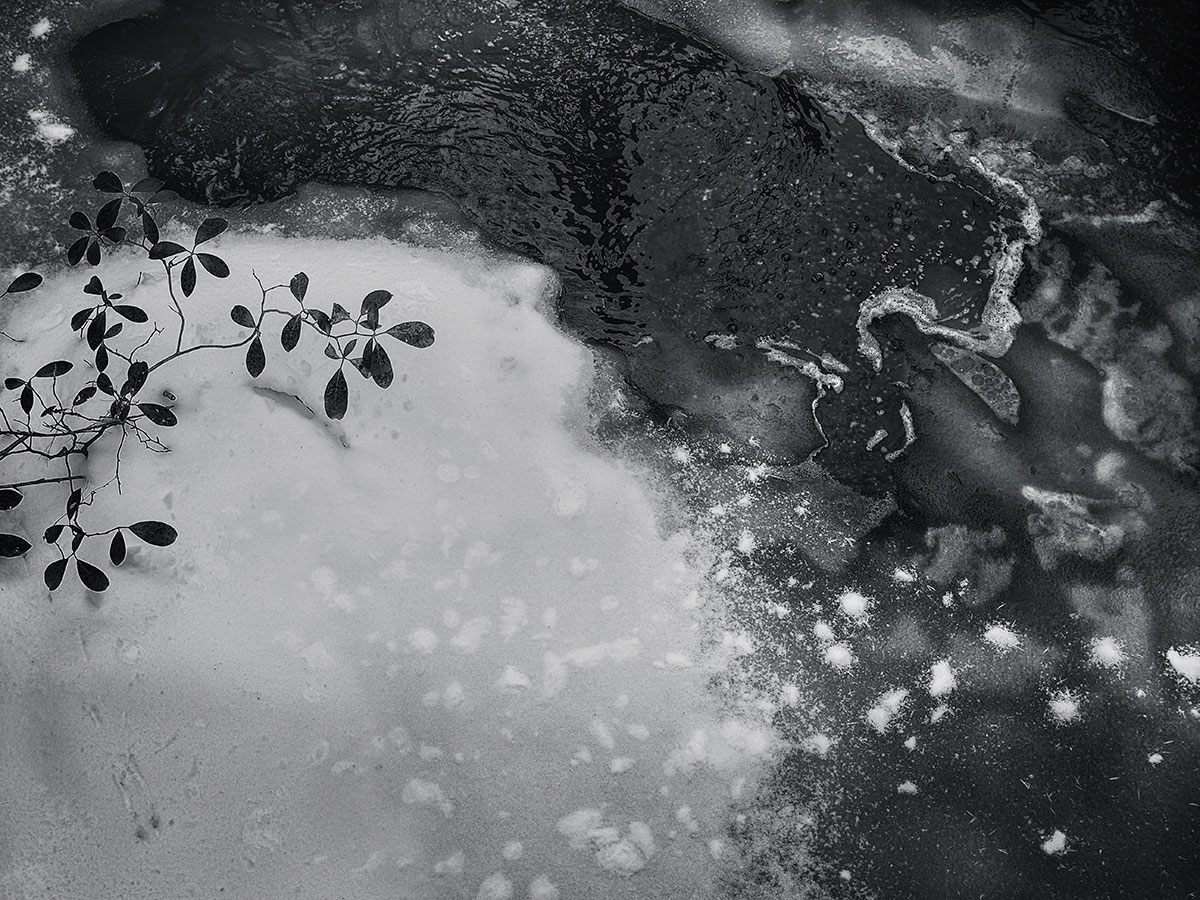
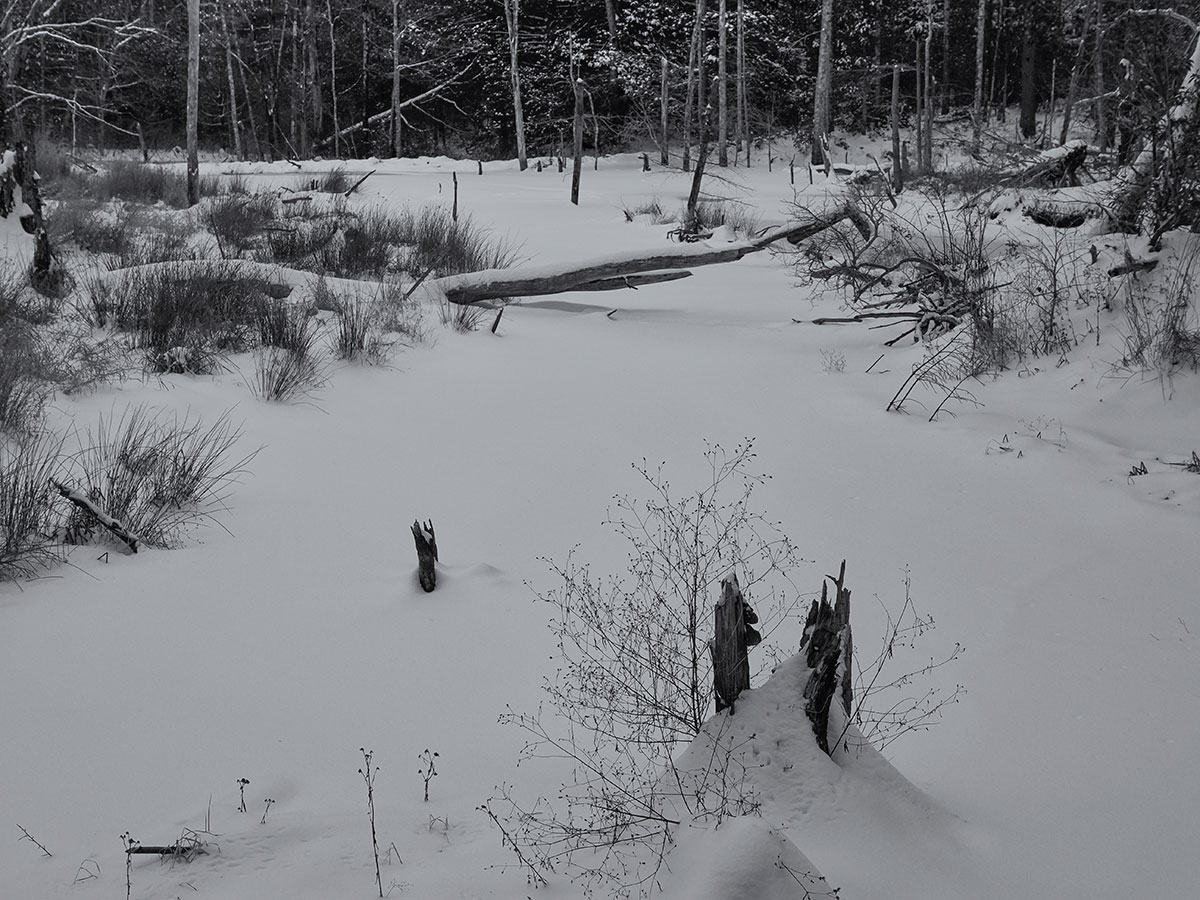
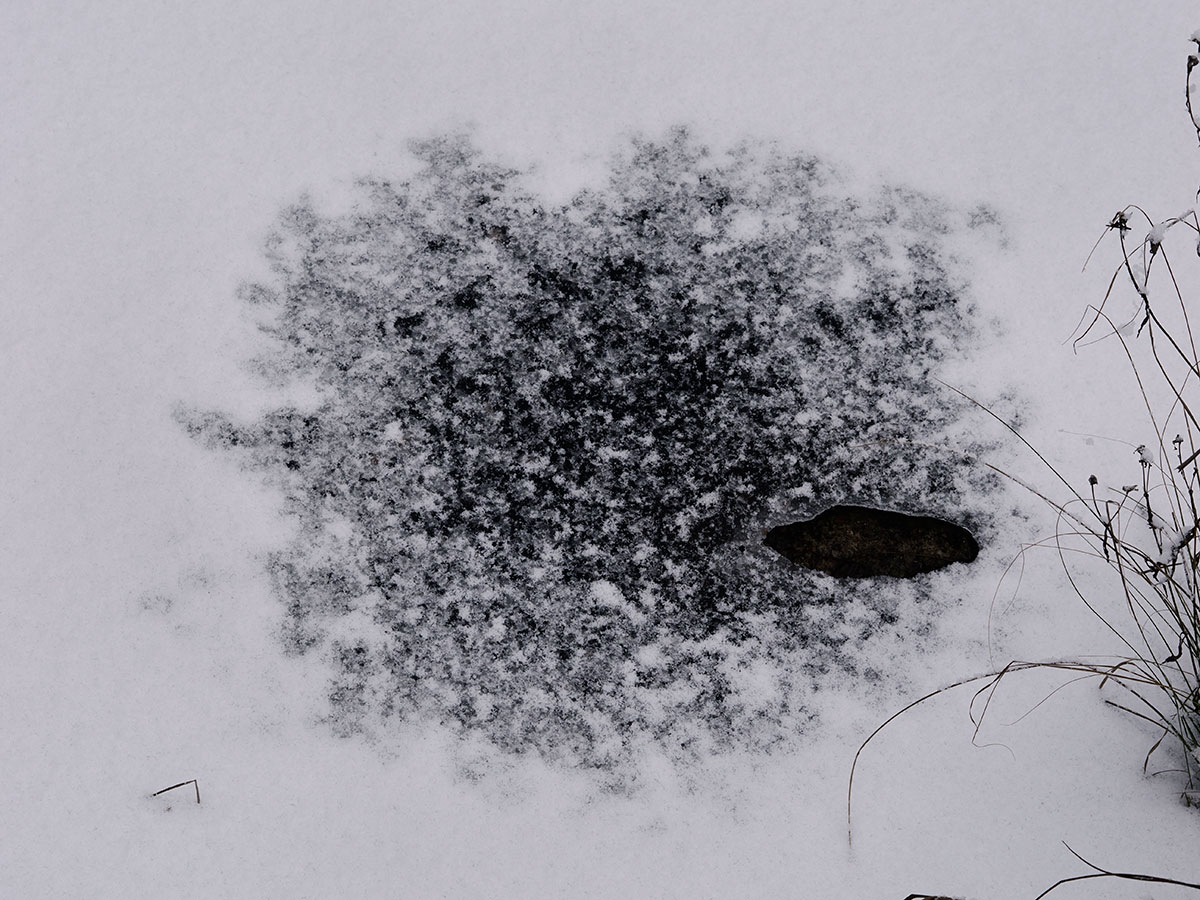
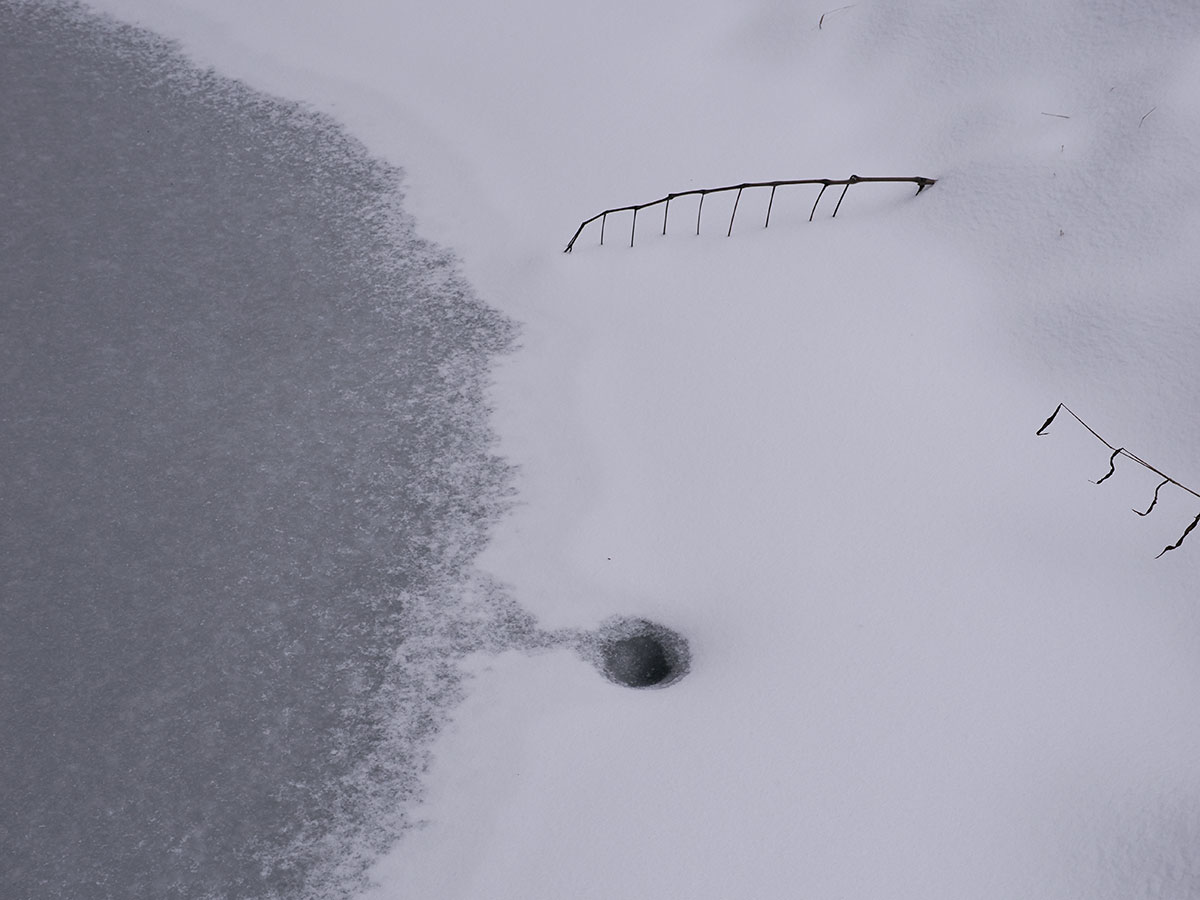
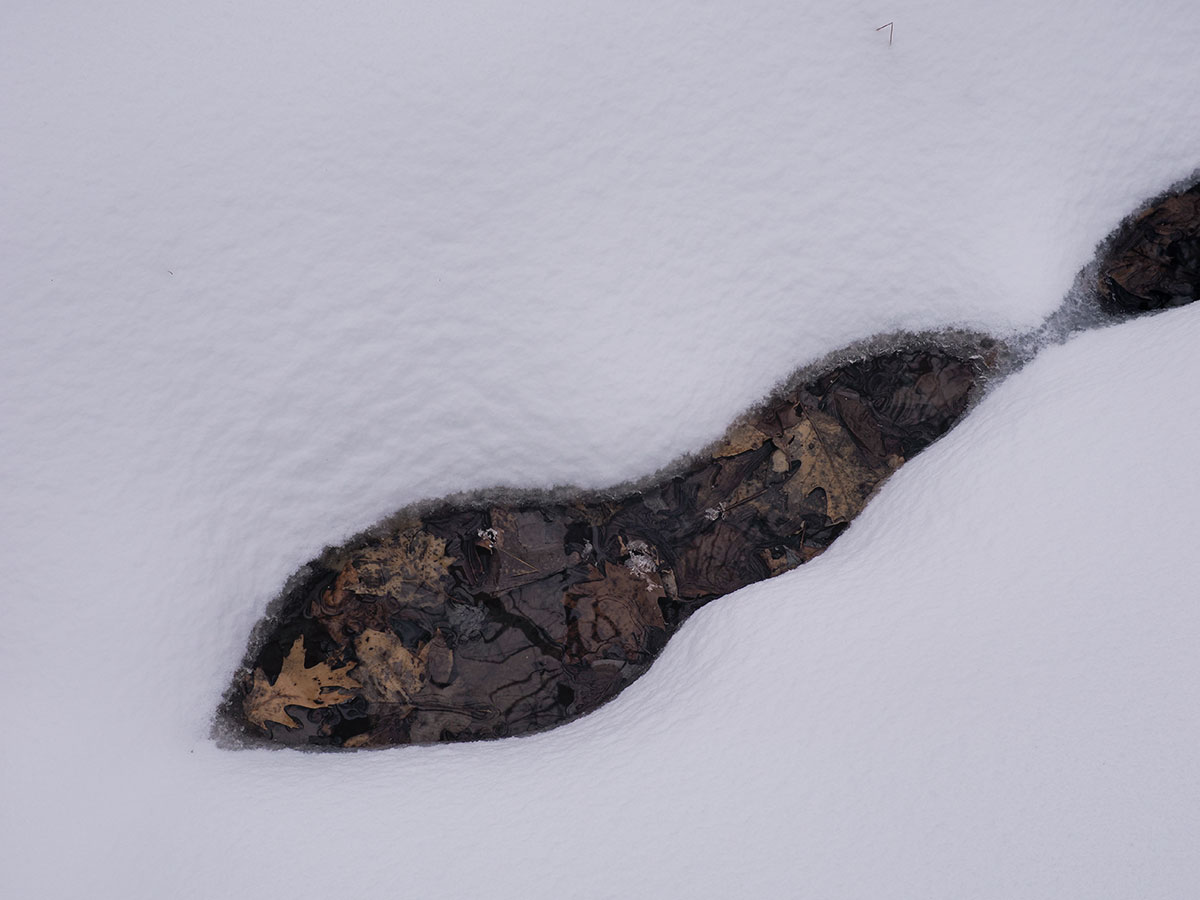
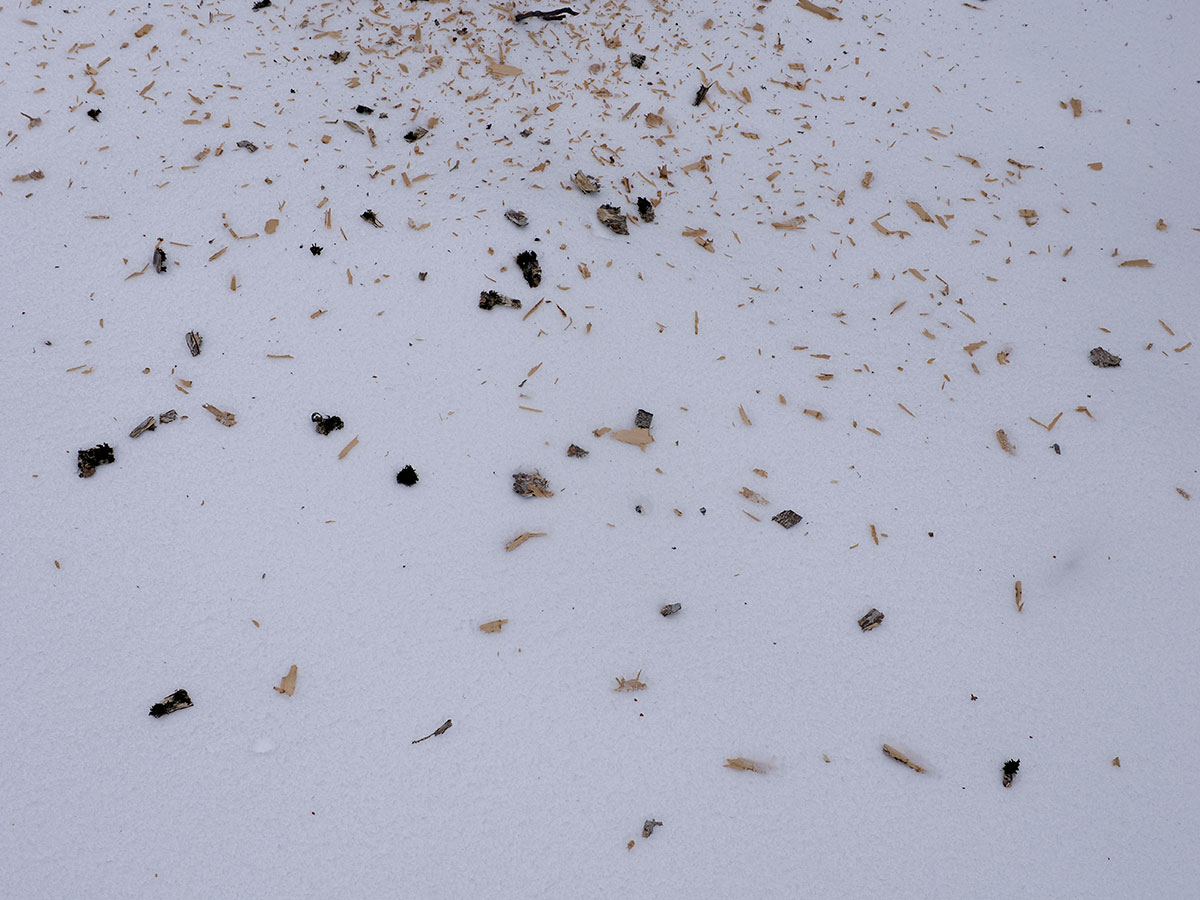
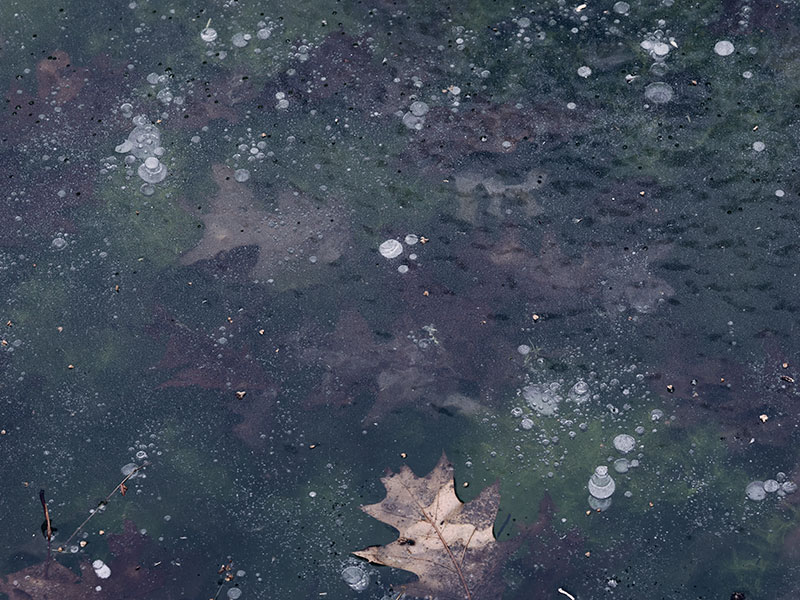
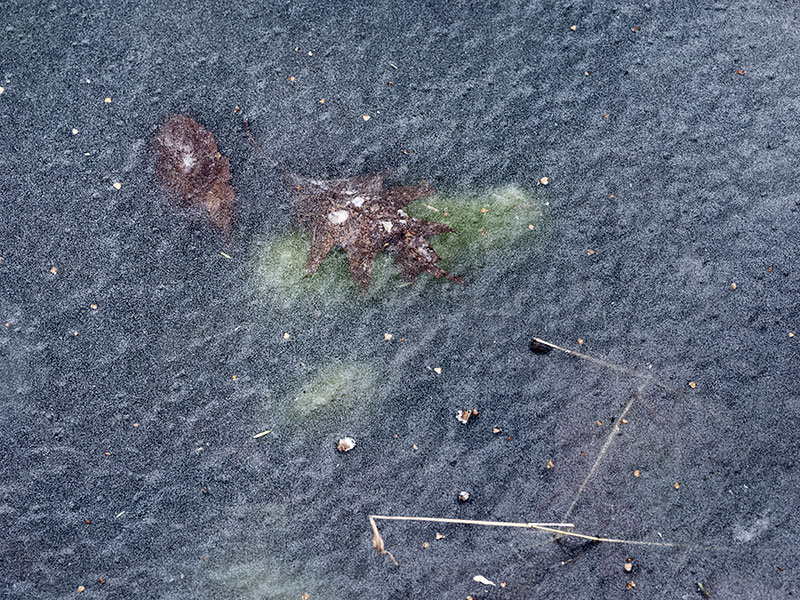
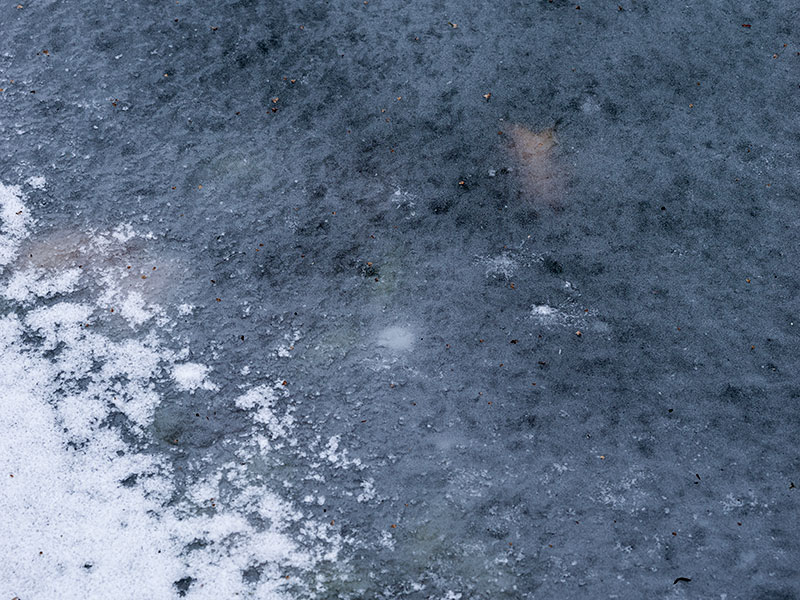
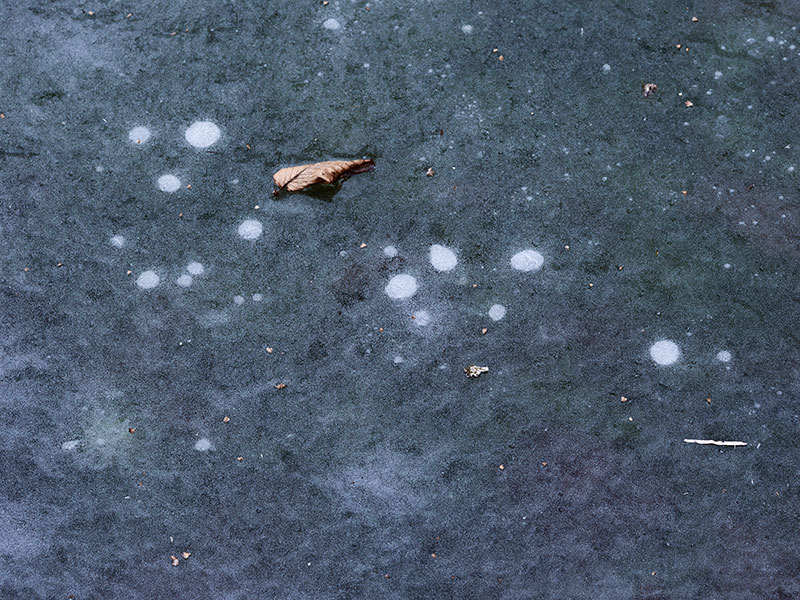
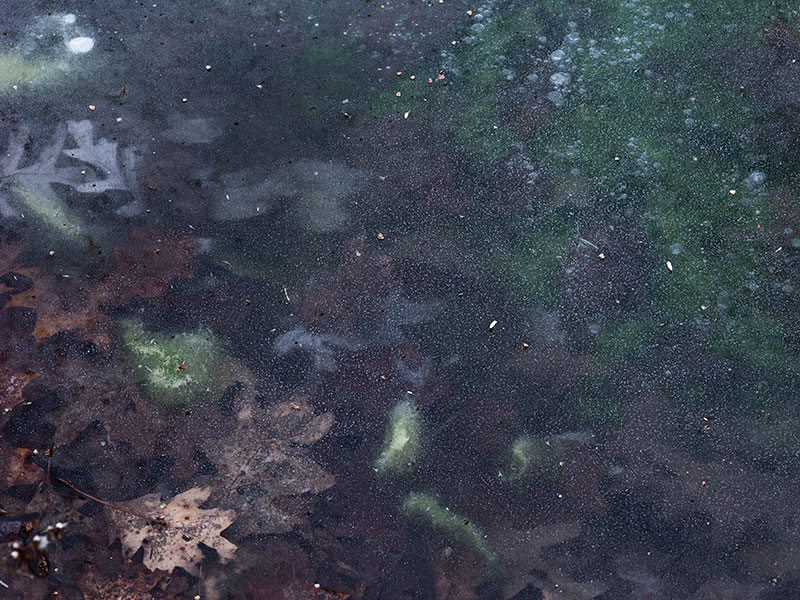
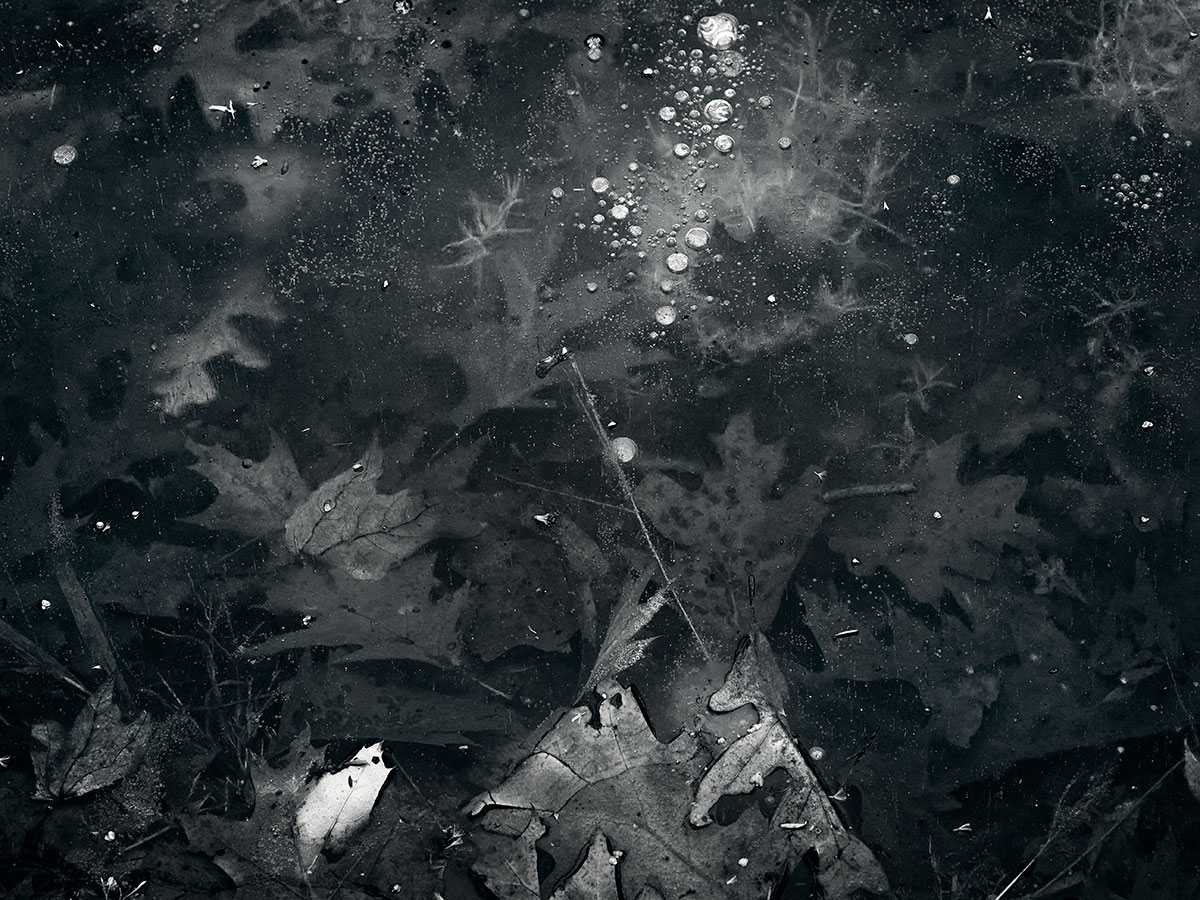
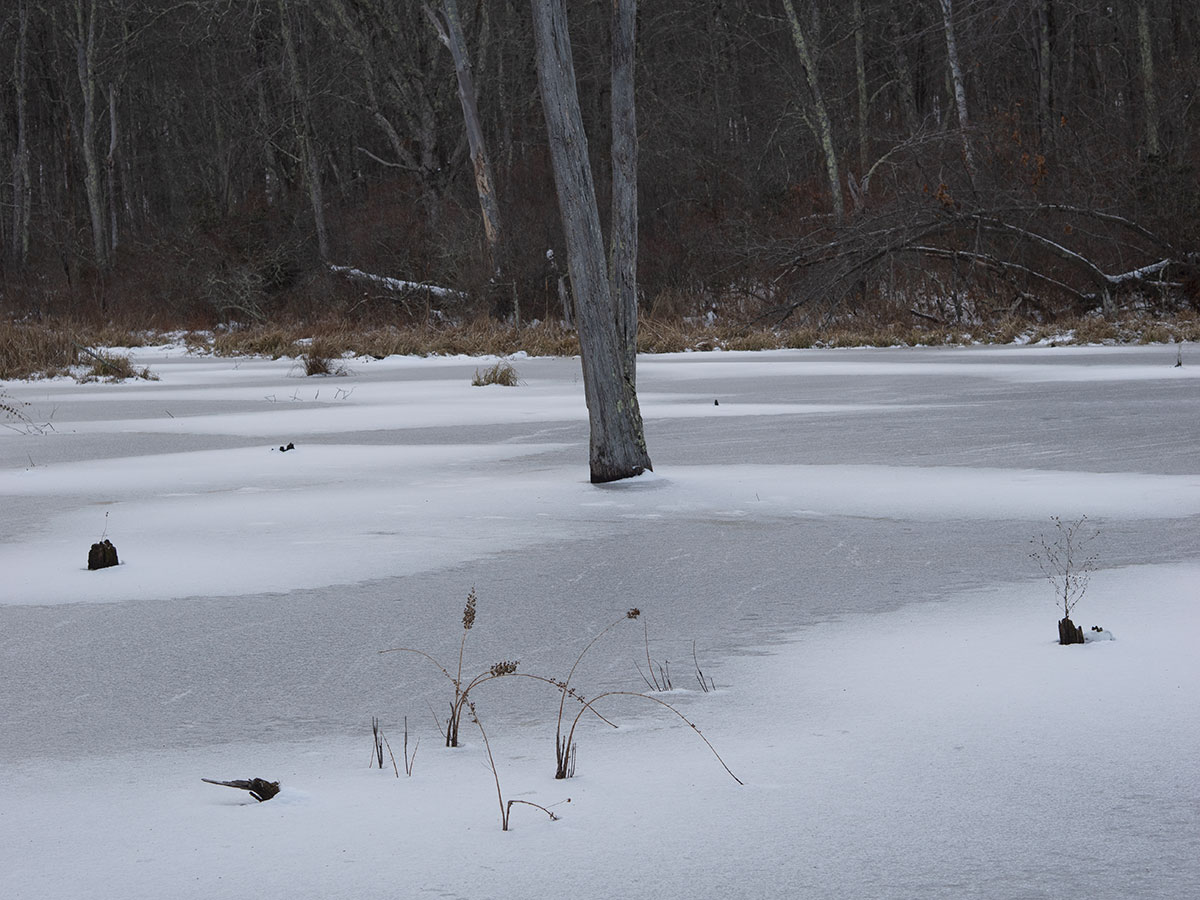
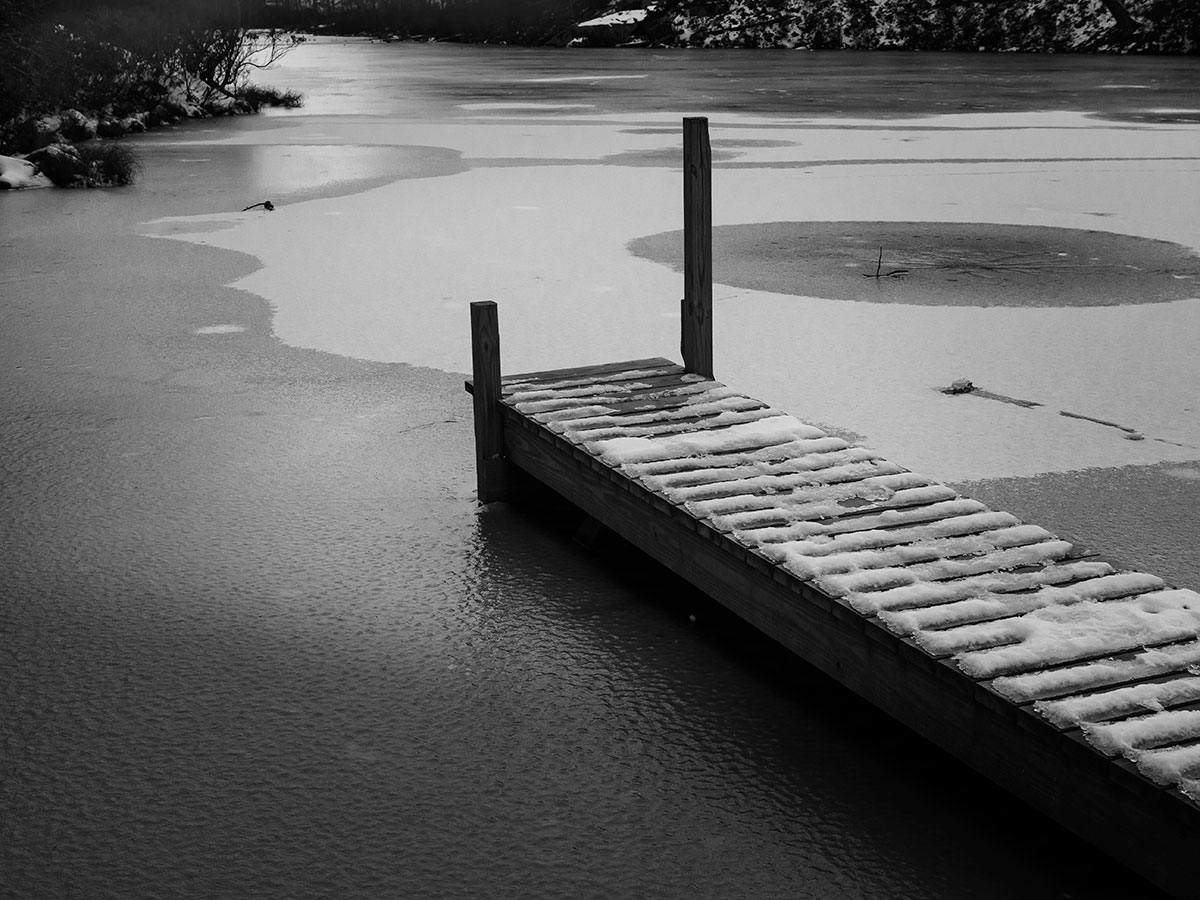
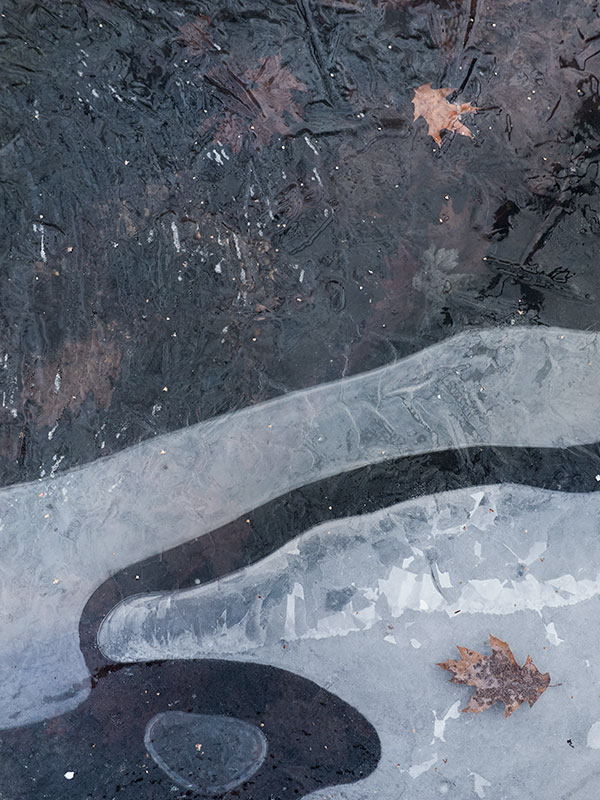
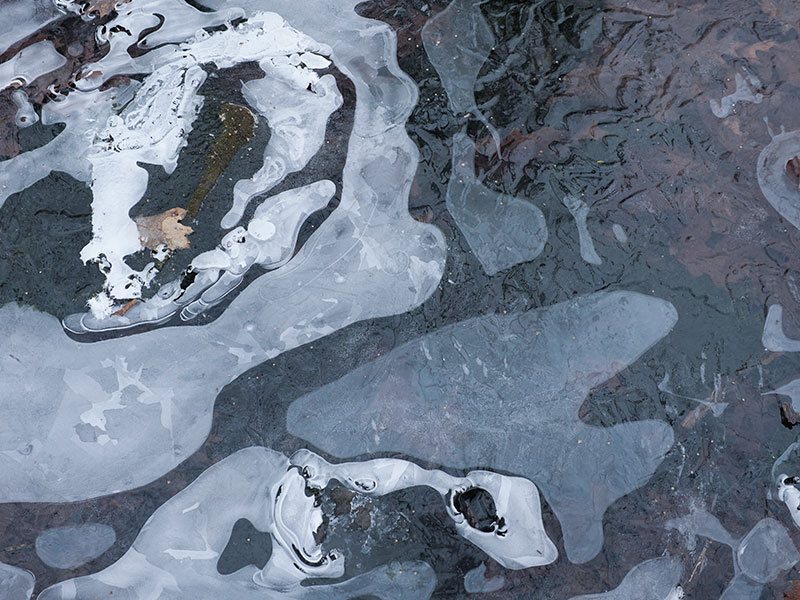
The group of cool-toned ice pictures were photographed at the intermittent stream adjacent to our home. These are black and white photographs, but since I applied a faint split-tone to each, “monochrome” wouldn’t be the right word to describe them.
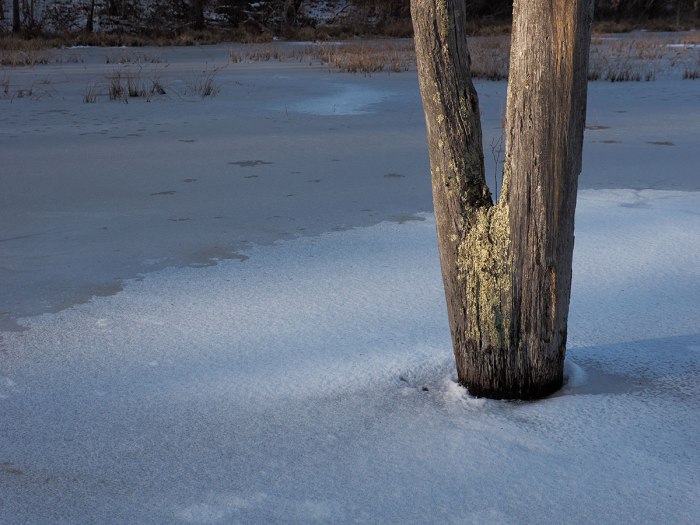
Despite temperatures well below freezing, the creek has remained in a state of partial freeze, and in various spots it can be seen pulsing below the ice. Most lakes and ponds, on the other hand, are solid enough to walk on.
The Woods From The Ice
Mid December / Brower Preserve
Mid December / Pie Hill Marsh
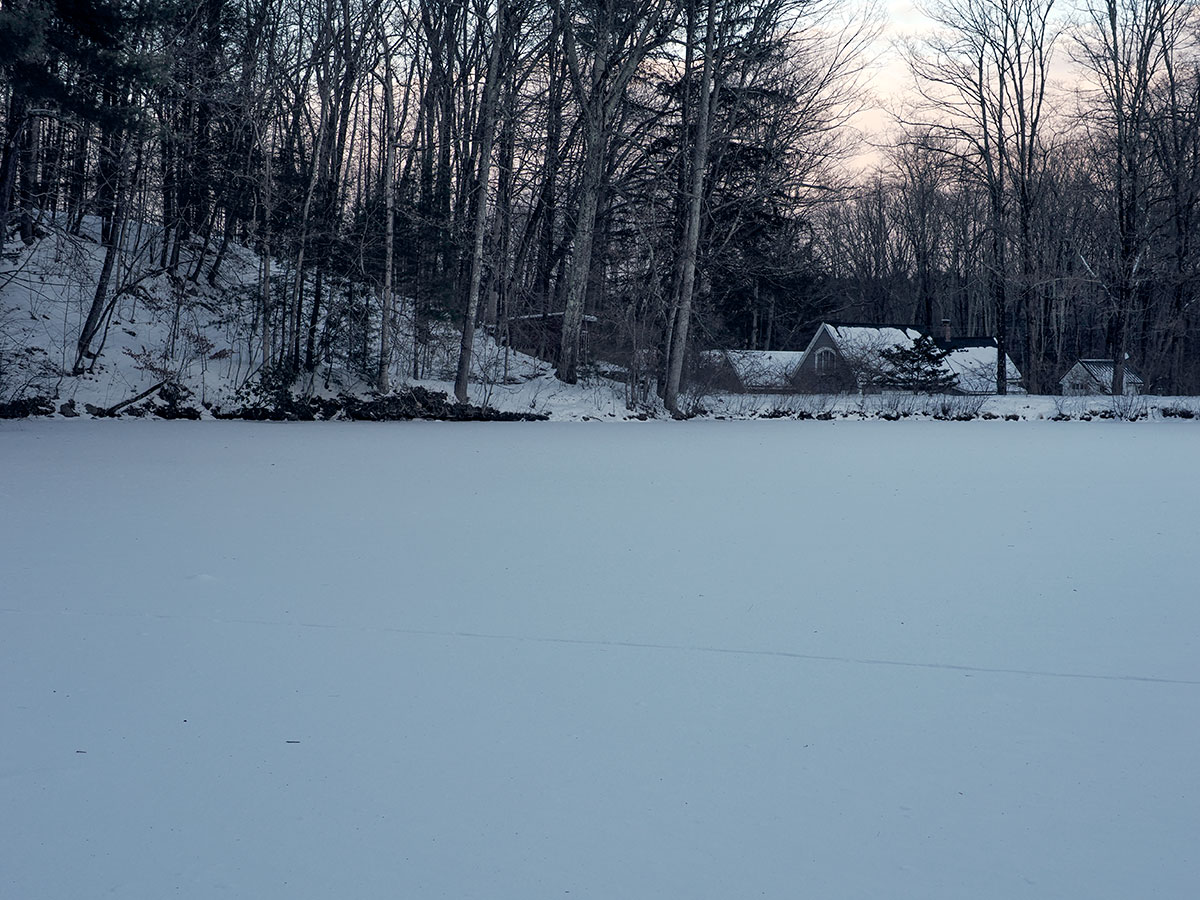
Mid-December / Phillips Pond
Ice At Roaring Brook
Encased ii
Longshadow
Ice Up
Marsh Brook Ice
Quiescent
All In Good Time
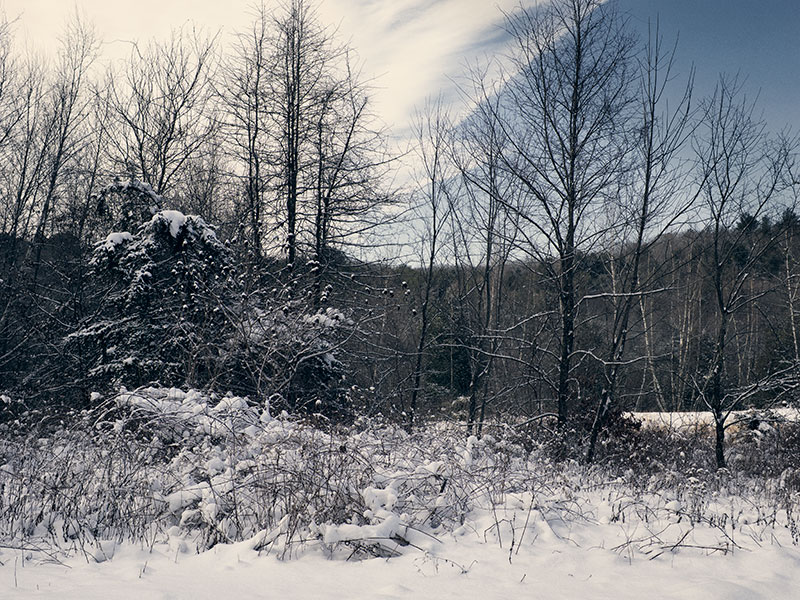
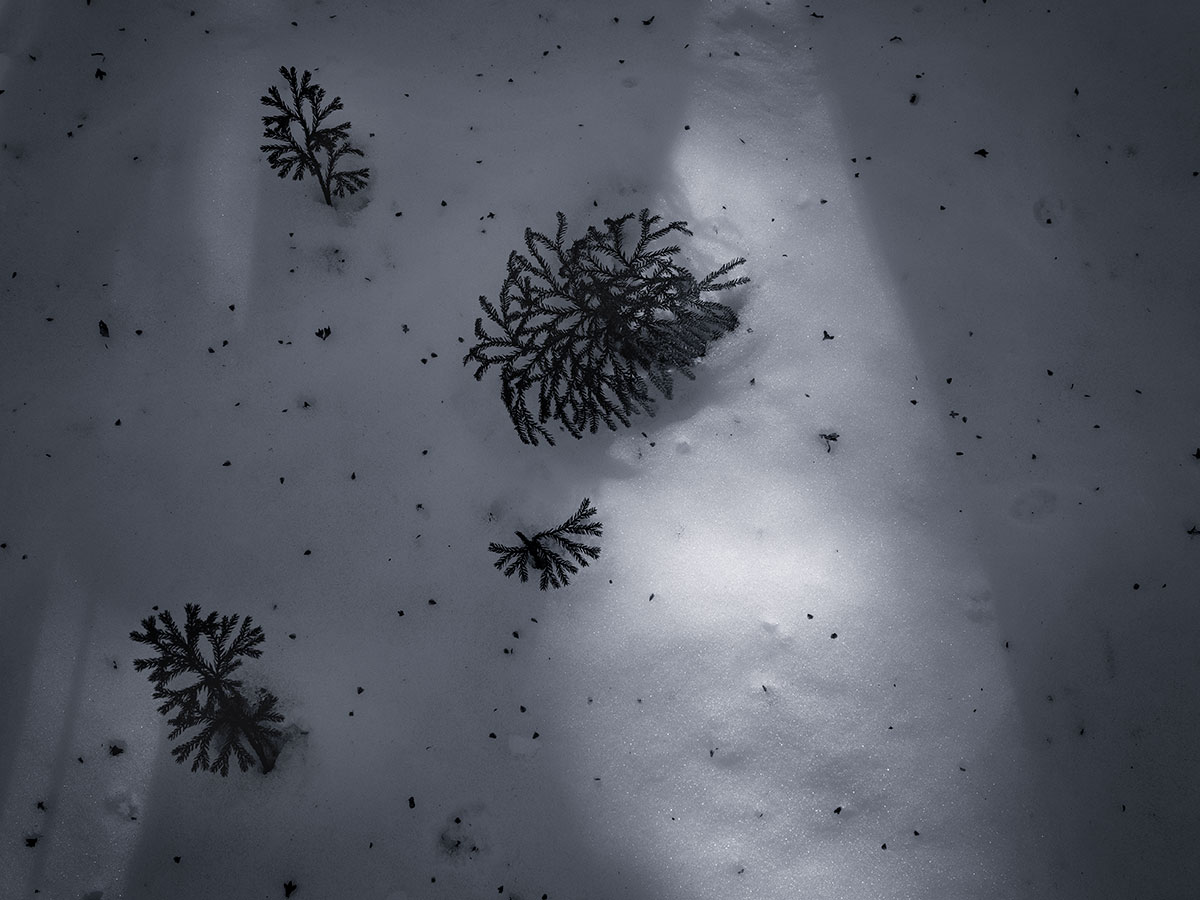
Cedars In Snow
Runes
Encased
December Laurel
Yesterday was the first hike on the Tunxis Trail since our snowstorm. This walk took me north of the Indian Council Caves, up into the last ten miles of woods below the state border. Aside from a very cold hunter near the gate where I’d parked, I saw no one.
The long format picture conveys what much of the area looks like now: snowy woods with many square miles of mountain laurel. For me, all that cold and quiet is welcome news.
The picture is a stitch of 6 consecutive vertical images taken with a normal focal length lens. Before I took the exposures, I swept the scene a few times from right to left in my viewfinder. I find that if you do this slowly, the composition will reveal itself.
Hand in Hand
Pine Ice
Bridging The Gap
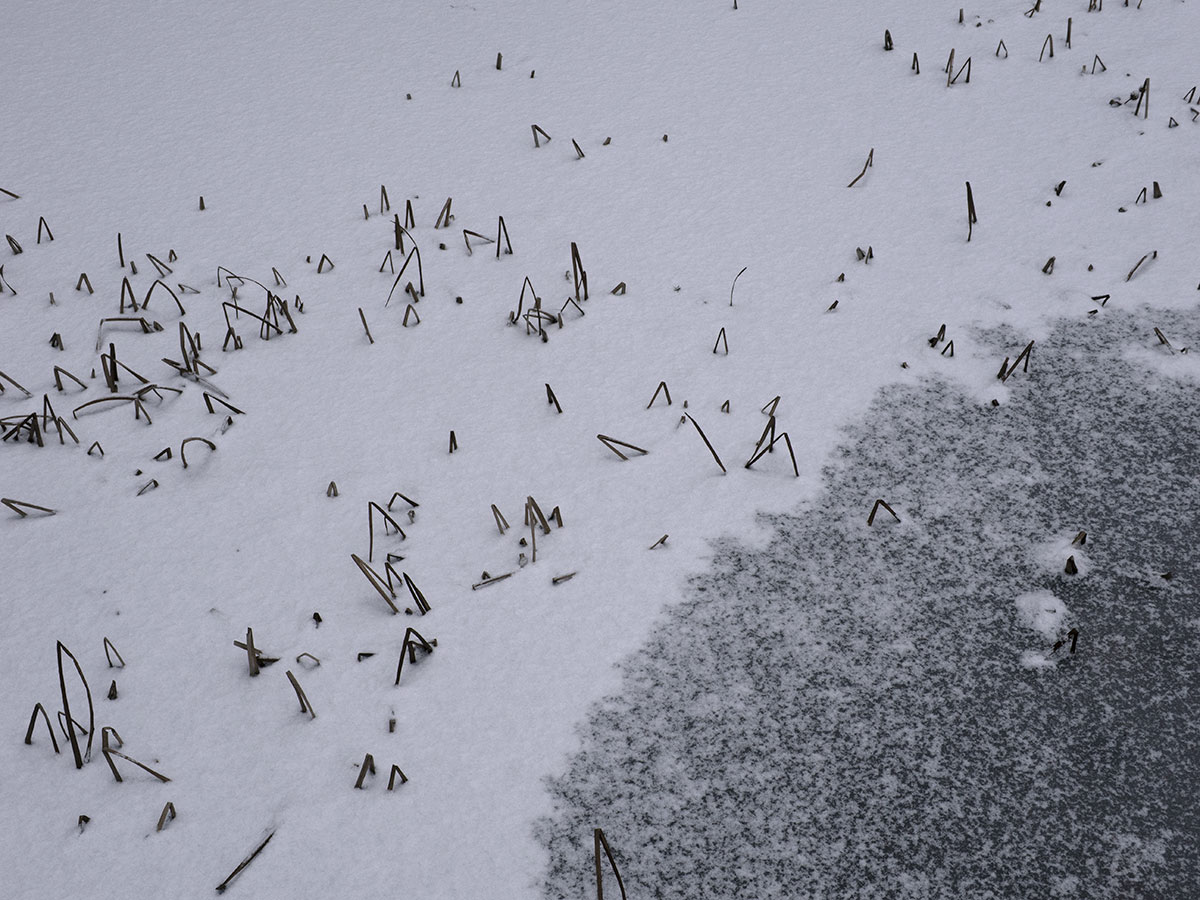
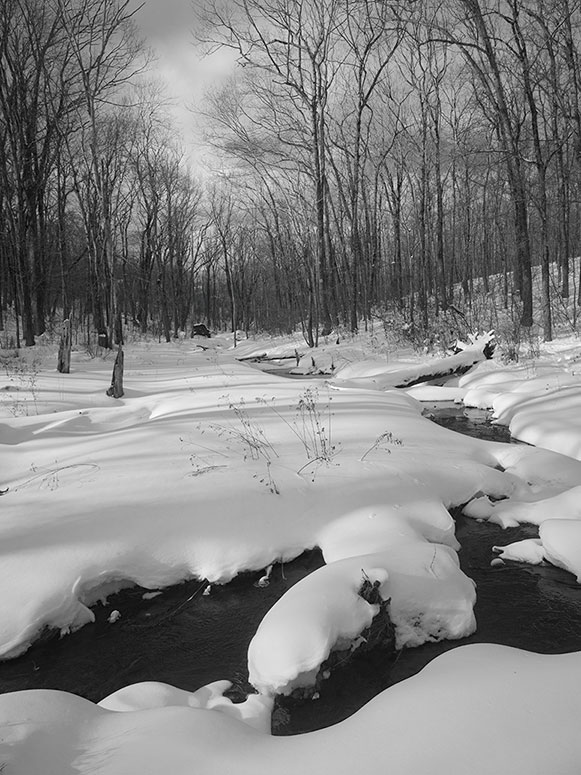
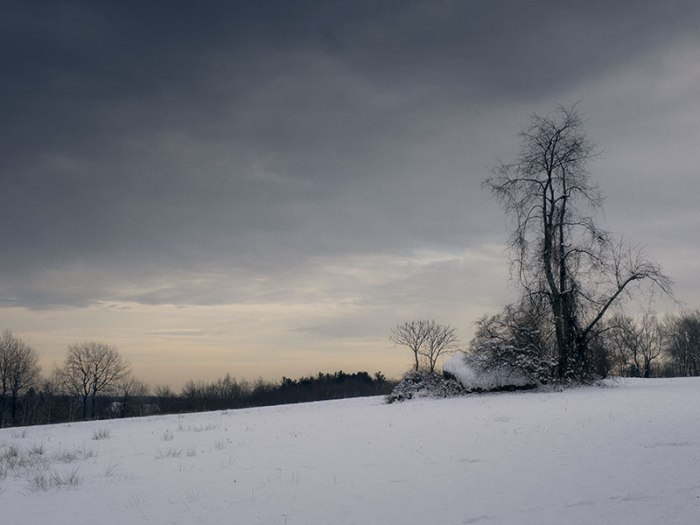
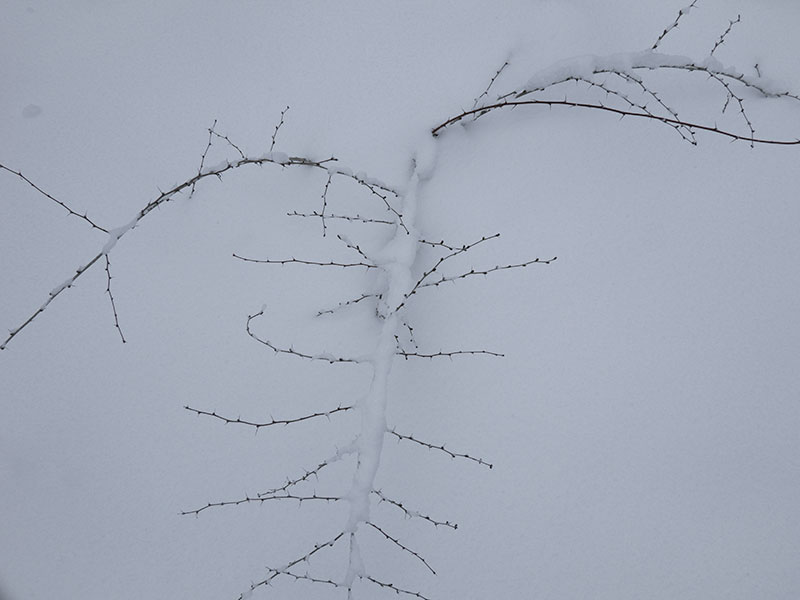
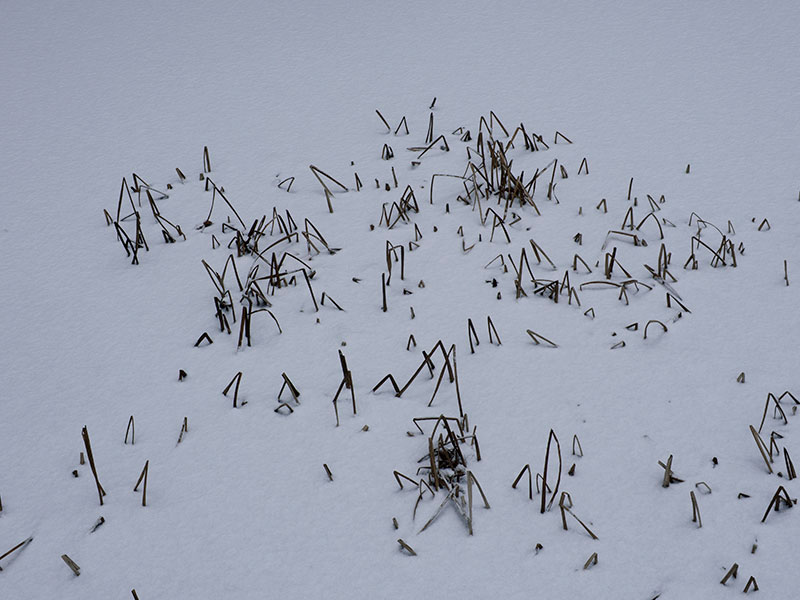
The intermittent stream next to our home that was on vacation last summer has come back to life. After the snowfall two days ago, I liked the way it looked in monochrome, especially with a pale blue tint. The stormy-light helped, I think, by reducing everything to simple shapes and contrast. This picture reminds me a bit of some of Franz Kline’s paintings.
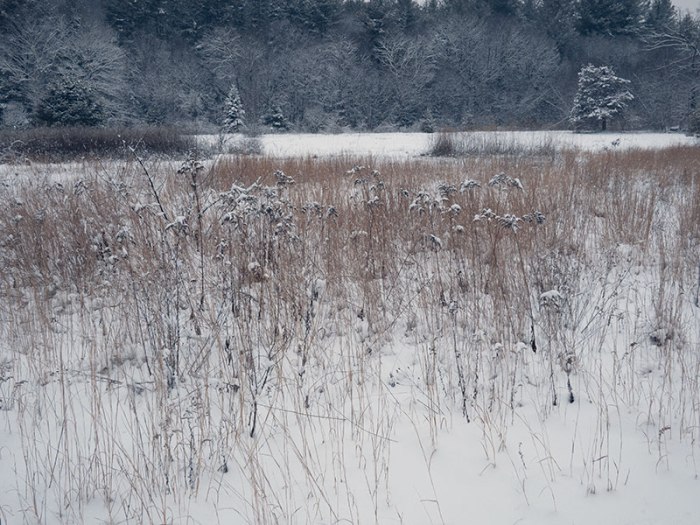
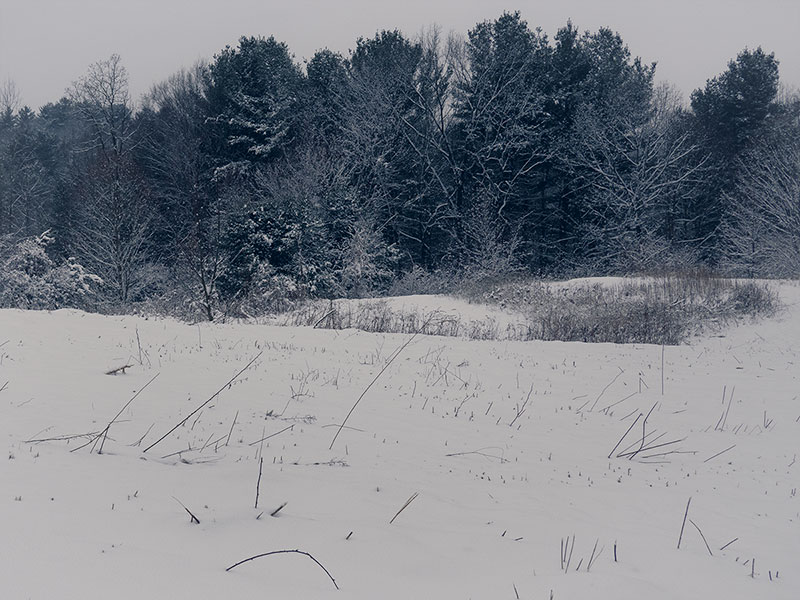
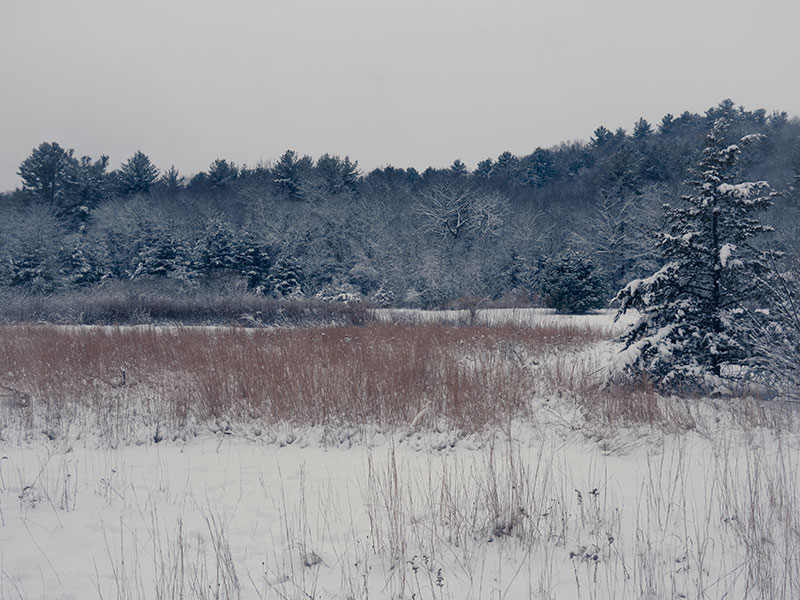
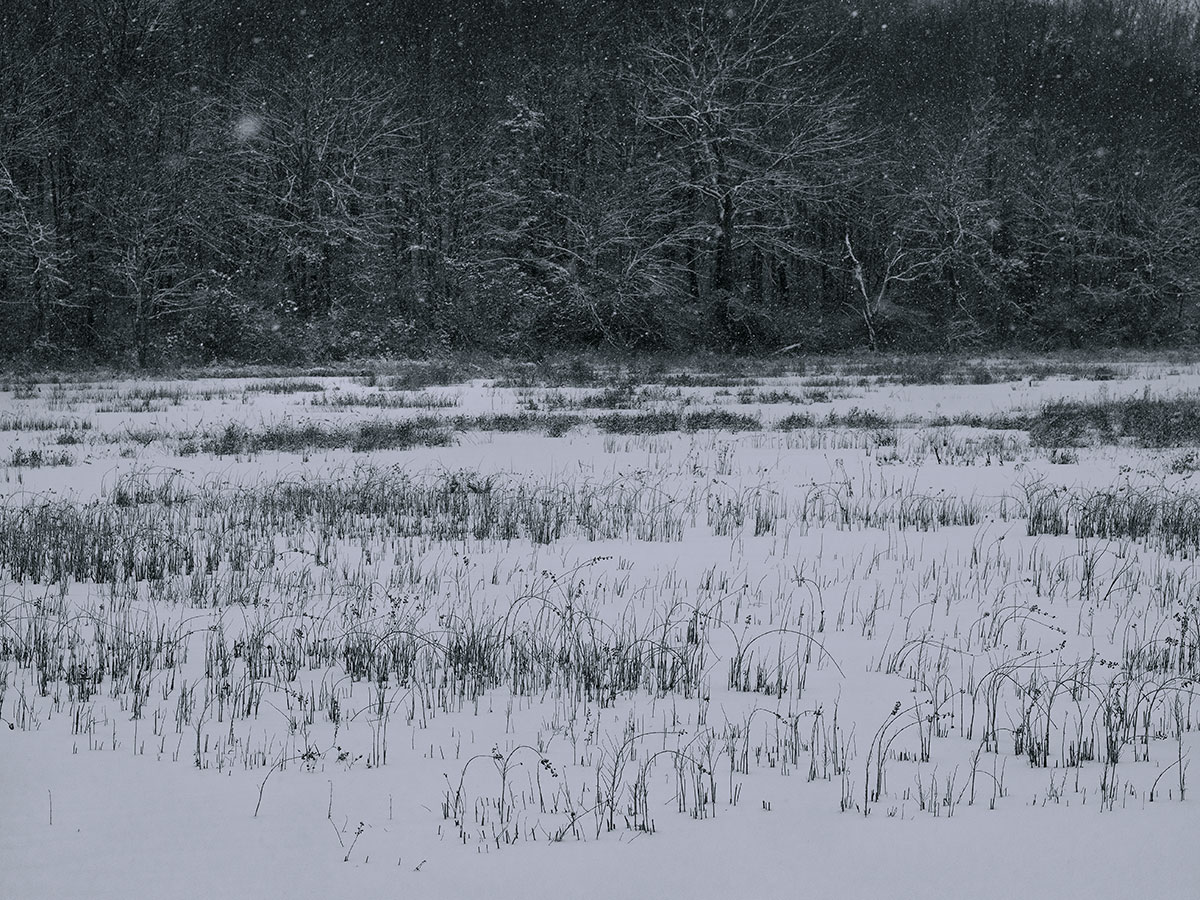
Snowy Field Near Rock Brook
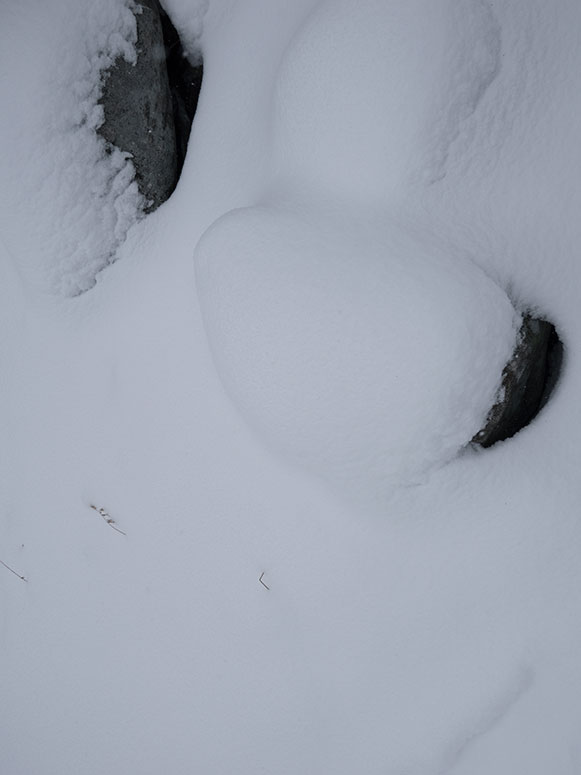
Embrace
This picture, as well as the previous one, are from a half hour walk yesterday along the Farmington River in People’s State Forest in Barkhamsted. The half mile of open field and picnic grounds are bordered by a strip of younger white pines known as Matthies Grove. On the other side of the pines, the river flows south. At the northernmost edge of all this, there’s a few old growth white pines that are truly breathtaking.
On Labor Day, the state park was crowded with folks enjoying the final breeze of summer. Toward the end of daylight yesterday, it was just us and a couple of dog-walkers; a cold wind and a forecast calling for the first winter storm.
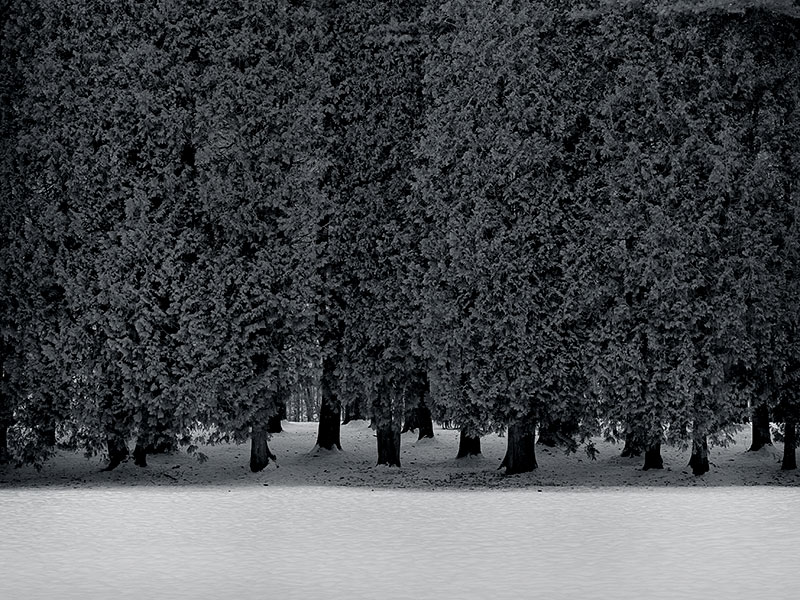
With these last two pictures, my aim was to spread the deep grays right to the edge of black and let the lighter areas fall where they’re so inclined. For me, that’s the best way to make music in the shadows.
The River From The Grove
Phillips Pond
Besides cold hands, the walk to Phillips Pond resulted in a landscape. “Panorama” is the word for the format, but I prefer to think of them as sweeps.
That’s partial ice out there on the water and the little sign in the foreground is the trail marker.
If you ask me, the trail marker makes the picture.
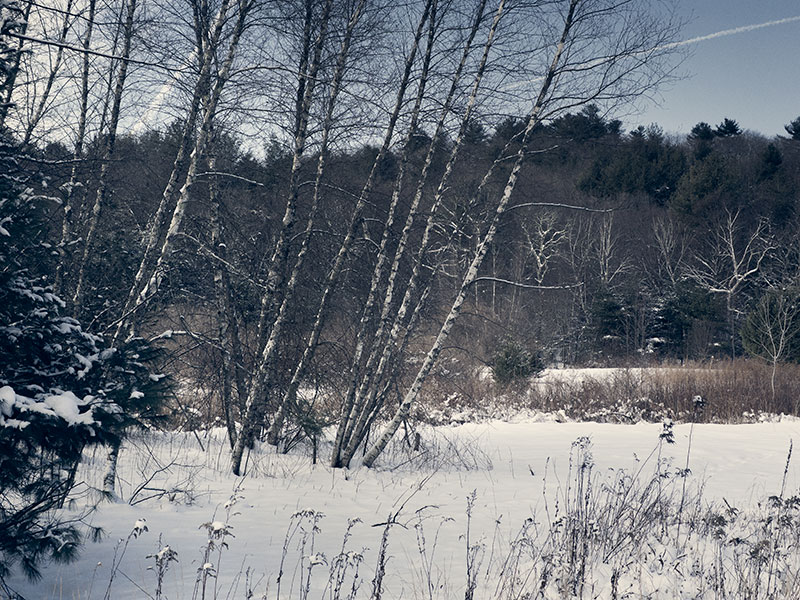
Birches
November Squall
Almost Home
The driveway is curling into the shadows of late November. It is caught, taken to the computer to be bathed in a light sepia tone and shared throughout the world the next morning.
During my darkroom days, the only toner I ever worked with was selenium and that was used primarily for print permanence. Its faint purplish tone is barely discernible and, at least to me, does not resemble the various pre-sets for it found in photography software.
The word “sepia” has become synonymous with “old.” Early albumen prints had a wonderful warm-toned look, but they were susceptible to fading. Print impermanence would remain an issue in photography right up until the digital era. “Sepia,” it turns out, can also mean “faded.”
When Susan Sontag said, “all photographs testify to time’s relentless melt,” she was well-aware of the double entendre. The photographs, as well as their subjects, are the testimony she had in mind.
New Hartford CT
Off The Bridge
The Intermittent Stream
Lake McDonough Viewpoint
The picture is from late yesterday; a overlook on the Tunxis Trail in Barkhamsted, Connecticut. There was a climb to get up to this spot, and it looked quite a bit different than when I was there in July. November’s evening cloak was already spreading over the woods reminding me to start heading back while I still had some light.
Nineteenth century photography is always tugging at me, and I often borrow one thing or another when working on a picture. I tend to avoid the full-throttle treatment in most situations, but when I caught the scent of melancholy that it brought to this file there was no turning back.
Folium
Tunxis Terrain
Tory Den


Coinciding with the Ken Burns series on the American Revolution was a visit yesterday to Tory Den. The den is a secluded rocky ledge with a “cave” formed by a giant slab of rock which slid down long ago. The spot is tucked away in the woods in Burlington, Connecticut, and can be reached by a hike on the Tunxis Trail.
There is history here. In 1777, a pro-British Tory named Stephen Graves found refuge in these rocks, avoiding capture by local militias. I wasn’t interested in rounding up Tories but I was interested in capturing some light.
While working on these pictures, I remembered Velox, a contact printing paper which was first made available to photographers around 1905. The blacks on that paper were bottomless when printing beyond the farthest gray.
River in Four
Five Spice
In The Shadow of Johnnycake Mountain
Late Fall Puddle
Woods South Of Rock Road
Unnamed Hill Near Bunnell Brook
Yesterday’s walk on the Tunxis Trail got rolling late. It was on a section I hadn’t hiked before, south of Route 4 in Burlington Connecticut. The trail climbed steeply from the busy road into a wintry-looking forest. Three in the afternoon is long-shadow hour at this latitude in November, and with the wind, it felt more like January. Down below, there was an uninspiring view of a CVS, a Cumberland Farms and a Dunkin Donuts.
Putting that in the rear view, I continued on, climbing an unnamed hill for the next half mile. Turning around near the top, I was surprised by the long view east, with the Metacomet Ridge near Hartford visible through the trees. From the other side of the hill, I took a stitch of four images with the sun behind me, just below the summit.
Sum Of Five
Nut-Brown November


I’ve been walking the 40 miles of the mainline Tunxis Trail in northwest Connecticut, but since I want the experience to last, I’ve been sipping it like espresso. That means three or four miles at a time; always with a camera. The images are from the Indian Council Caves, a secluded and interesting array of rocks that are anything but caves. From here, the trail continues ten miles or so north to Massachusetts.
After the flood of fall color, the spaciousness in these cold brown tones has been a refreshing change.
Parallel History
Hearkening
Sleep Order
Second Fade
Fade 1:1
Late Fall Sepias
Toppled


I hope you find some inspiration in my pictures from local cemeteries. To my eye, these old stones are an archive for a variety of reasons, the most obvious being local history. But the carvings are also a unique craft created by artisans who are now mostly unknown.
What’s interesting is how their art becomes transformed once a century has done its work in the burial ground. The stones become home to lichens and moss and take on lovely patinas and textures. These changes are independent of the carving process and can add meaning to the object. In that sense, they remind me of the old family photographs that we keep in a box or album. Whatever those photographers intended has also transformed with time. The chemistry has been altered. Like the tombstones, they can become an antidote for the sameness and dullness of our modern situation.
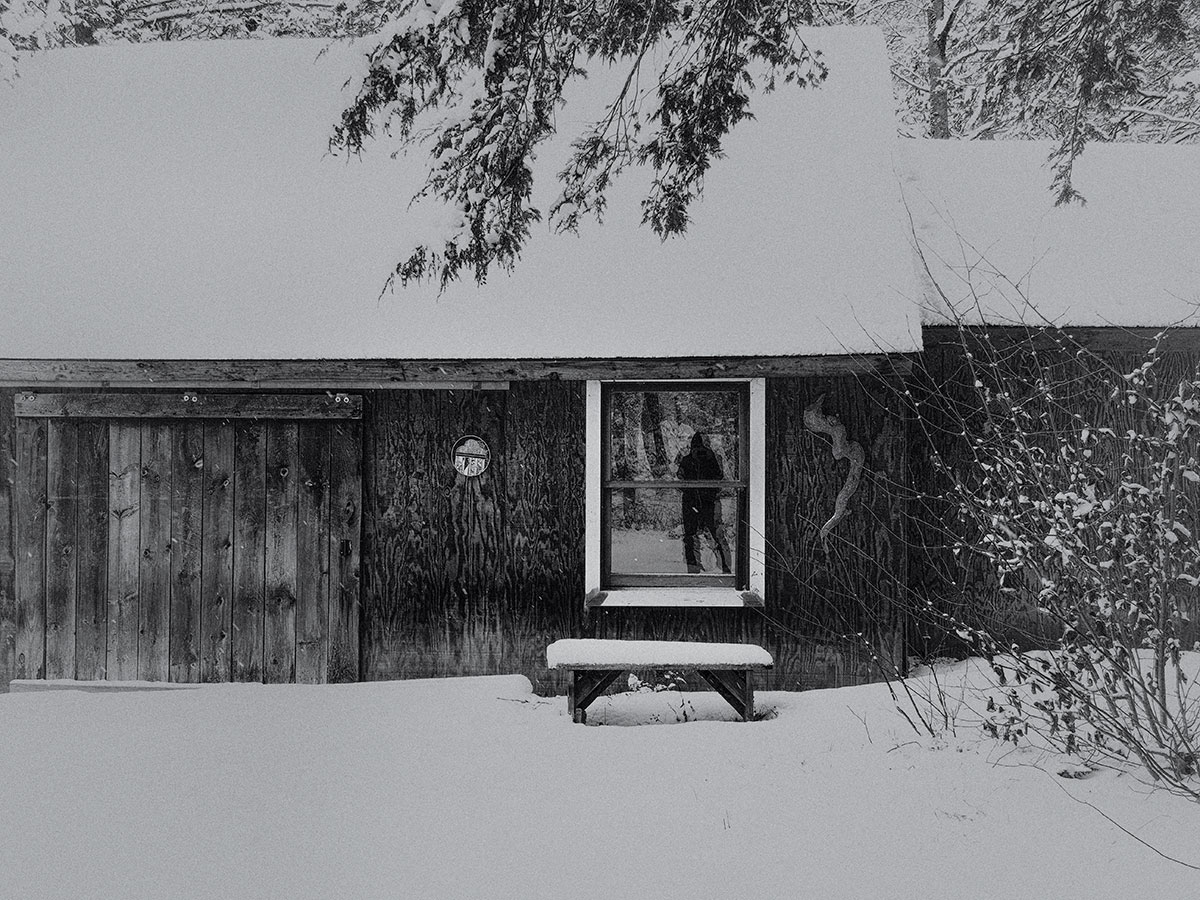
Canton Center Cemetery, Canton CT
Churchyard Sketches


Three images from the Old Nepaug Cemetery in New Hartford, Connecticut. The statue dates from the turn of century and is visible in the early photographs of this burial ground. I wasn’t able to find the name of the sculptor.
I created duotones for these pictures because I love the patina and coloration of ambrotypes, tintypes and such. The cemetery sits next to the Nepaug River, nestled in a grove of white pines and hemlock.
The Chute Group
The Chute
Falls in Raking Light ii
Falls in Raking Light
After a recent heavy rainfall, many of the unnamed intermittent streams in the area transformed into raging torrents; a startling lesson in potential. I found this one plunging down a steep slope into the Upper Farmington River. It was dry there the last time we visited.
The Minor Reds
Marble
Family Of The Woods
Two Paths You Can Go By
Nightmare
Forsaken Station
Farmscape
Blurred Vision ii
Blurred Vision

I returned to the Farmington River the other day; the forested stretch of rapids better known as Satan’s Kingdom. With a handheld camera, I shot a few dozen neutral density variations from a rock with an impressive chute only a few feet below. The autumn leaves were getting sucked into the frame and plunged past like orange comets. Like so many other things in life, it’s a capture process with general parameters, but you don’t know what you’re getting.
Oblique View Church
Nymphaea Variations


These five pictures were taken within a few moments of each other. Since I listen to jazz a lot, shooting a subject like this seems a lot like improvising. You take a motif and work it through a number of changes and see what happens, letting one idea lead to another. It’s been years since I used my tripod with regularity, and the inability to shoot freely is one of the reasons.
I didn’t really edit these much as individual images, but spent a few minutes arranging the group. The leaves are from the pond behind our house.
Becoming The Tree
Underneath The Bridge
This is not the same place Kurt Cobain immortalized in the Nirvana lyric, but the folks gravitating to this spot are there mostly to fish; an appropriate activity, if you recall the song. The picture was taken where Route 44 crosses the Farmington River a.k.a. “Satan’s Kingdom” in New Hartford CT.
The smoothness of the reflection seen with the fresh shapes of fallen leaves conveys a pleasing sense of surrealism to me.
home
Three From Satan’s Kingdom


“Satan’s Kingdom” is a spectacular ravine found along the upper Farmington River in Connecticut, and was the location of an historic community of Native Americans, former slaves and others. There was a similar village of outcasts nearby known as “Barkhamsted Lighthouse.” Remnants of that settlement can be visited in Peoples State Forest. Both date to the first half of the 19th century.
These pictures were taken a few days ago while working my way down the ravine (on foot) into Nepaug State Forest. I wanted the colors to be vibrant but retain qualities of earlier phases of photography.