Author: johntodaro
The Beaver Tree
Ice Sigmoid
Collinsville / Winter Verticals
Collinsville / The January View
A thaw has moved into southern New England, one that I’m hoping will only be temporary.
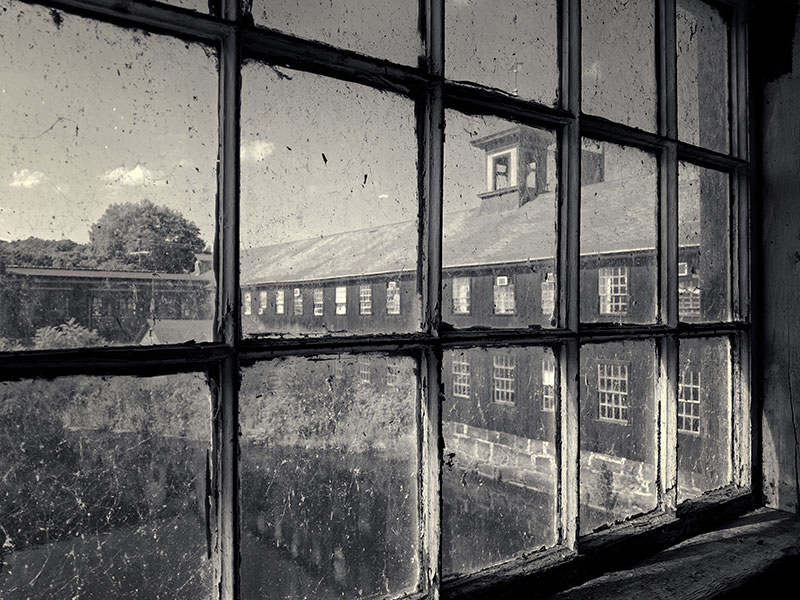
A visit to Collinsville yesterday resulted in some pictures of the riverfront and surrounding neighborhoods. The village is situated on the Farmington River; the site of an historic factory complex where edged tools were made. It was here that John Brown came to purchase spears, an acquisition which ultimately led to his failed rebellion and execution.
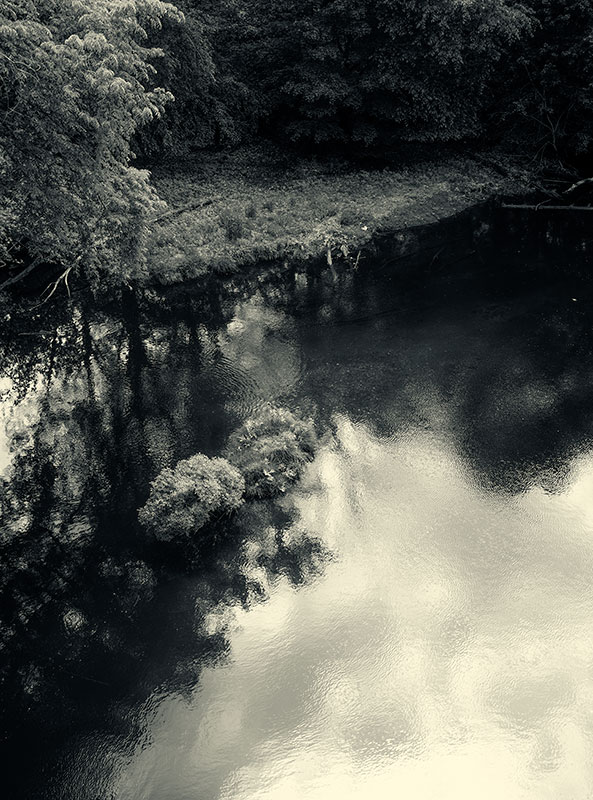
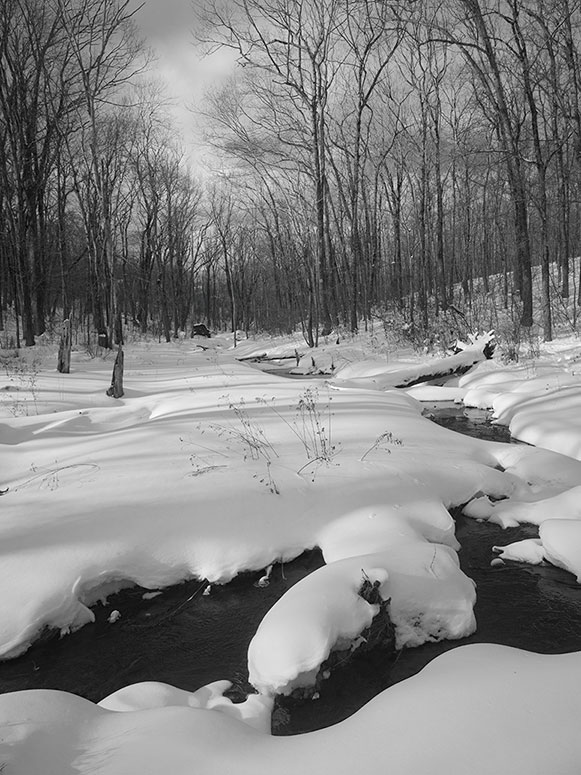
Yesterday, the Farmington was dressed with large patches of melting ice, and snow was beginning to fade from the riverbanks. There’s an elevated section of rail trail next to the factory that provides the downward gaze. The patchiness of the snow looked especially interesting in black and white.
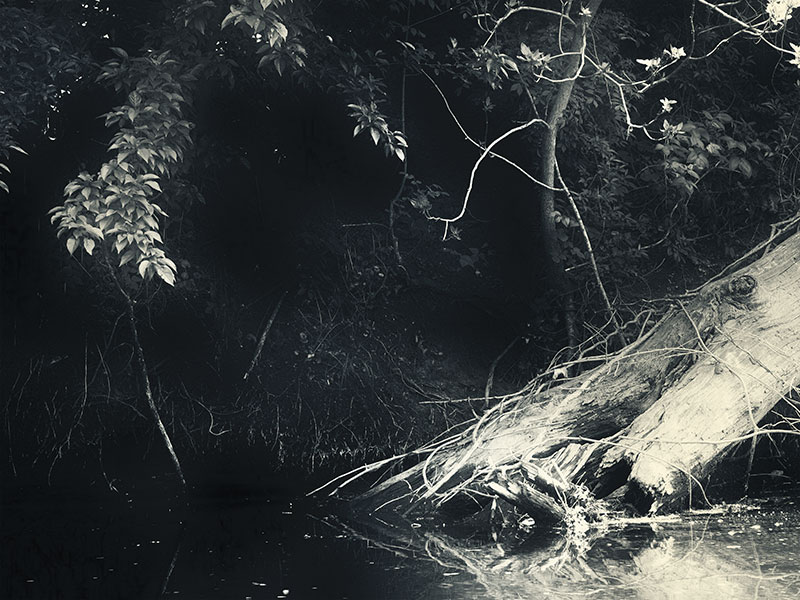
Cloud and Fallen Tree
Early January / Stoddard Reservoir
Barely (a shadow)
Blanket iii
Blanket ii
Blanket
During yesterday’s walk on Phillips Pond it began to snow. I took a series of pictures with faster shutter speeds and and another group with shallow depth of field. One method freezes the flakes’ movement and the other blurs the flakes closest to the lens, such as is the case with this image. What I wanted to see is how enriched the real images of falling snow are when you compare them to the various apps and plug-ins that try to recreate it.
The pictures take in the wetlands across the ice with occasional glimpses into the surrounding woods; all with a veil of snow.
New Hartford CT
move
The Lodge
Frozen Falls
Brace
Deeply Hemlock
Snow-laden branches on a young tree by the driveway. Low light. Split-tone. Vertical camera movement (but not a whole lot).
New Hartford CT
Fresh Start ii
Fresh Start
Year’s End
The Partial Thaw
Naive Form V
Naive Form iv
Naive Form iii
Naive Form ii
Naive form i
Ice Group
Brook Ice / Leadmine

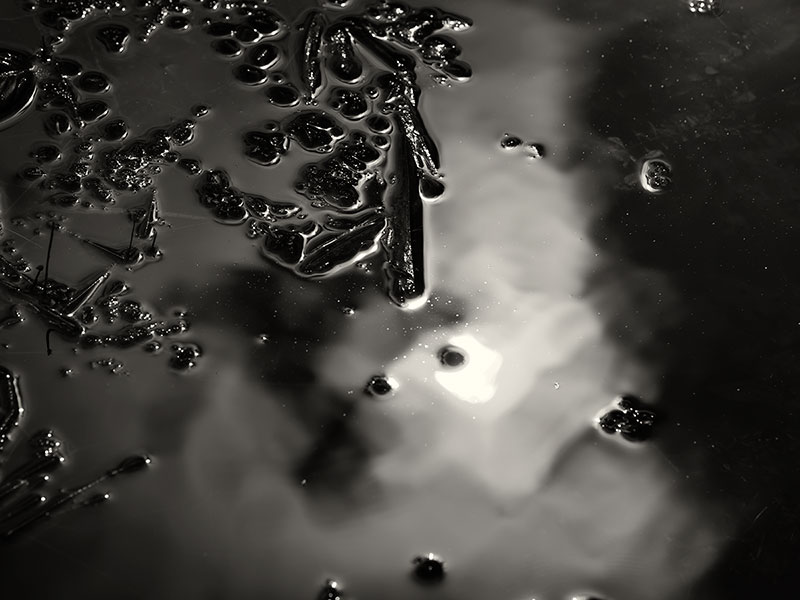
I found these jagged ice forms recently in Leadmine Brook (Roraback Wildlife Management Area in Harwinton). It may sound odd, but they do resemble the migraine auras I’ve been experiencing most of my adult life, albeit with less scintillating effects and color.
The rivers have been presenting a different wintry face with every visit, depending on the temperature and strength of current. There’s another winter storm in the queue for this evening.
Barn at Rest

A few days ago we spent some time after dinner looking at Andrew Wyeth’s winter paintings from Maine. Sadly, this wasn’t a museum visit or even a coffee table book; just a half hour online. I was struck by how he conveyed a feeling for winter color using much of the same antiqued palette that he’s known for. I also realized how well he conjured up the flavor of New England loneliness; quite different from that found in Edward Hopper’s work.
My picture was taken after a recent hike in the Roraback Wildlife Management Area. Despite cold fingers, I snapped a few pictures before starting up the car. This is not how Wyeth would’ve painted it, but I liked the lacey light of a winter sunset, and the lines of trees and blue canoe. Harsh shadows would’ve turned this picture into something else but they were retired for the evening.
You can check out some of Wyeth’s work from Maine here. Happy holiday week, ya’ll.
Freeze Frame ii

When I unpacked the second picture in the series, it looked complicated enough to come with operating instructions. You’re looking at a close-up view of ice at the edge of a pond; the last rays of sunlight skirting across the surface. Those are reflecting branches in the upper right and leaves encased in ice below. That adds up to three subject planes, if I’m counting correctly.
This picture, as well as the previous one, were taken during a frigid walk to the pond adjacent to Indian Council Caves in northwest CT. As usual, my camera was in the saddle bag, but alas: I’d forgotten my memory card. So, you’re looking at a relatively rare capture from my cell phone.
Freeze Frame
Hibernal
Mysterious Light In The Short Days
Just So
Blanketed
The Winter Trail
Cotton Hill 1:1
The Second Snow
Beset
Wind On Ice
Winter Sun at Phillips Pond
Black Ice


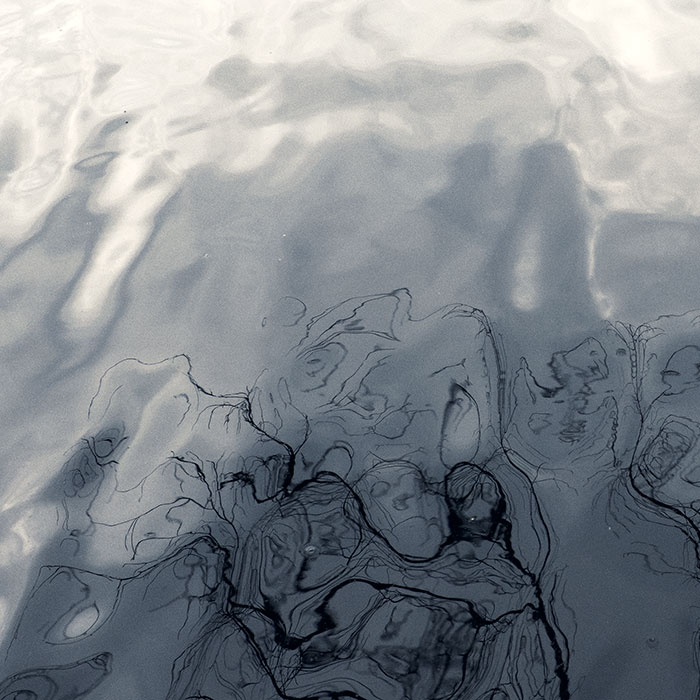
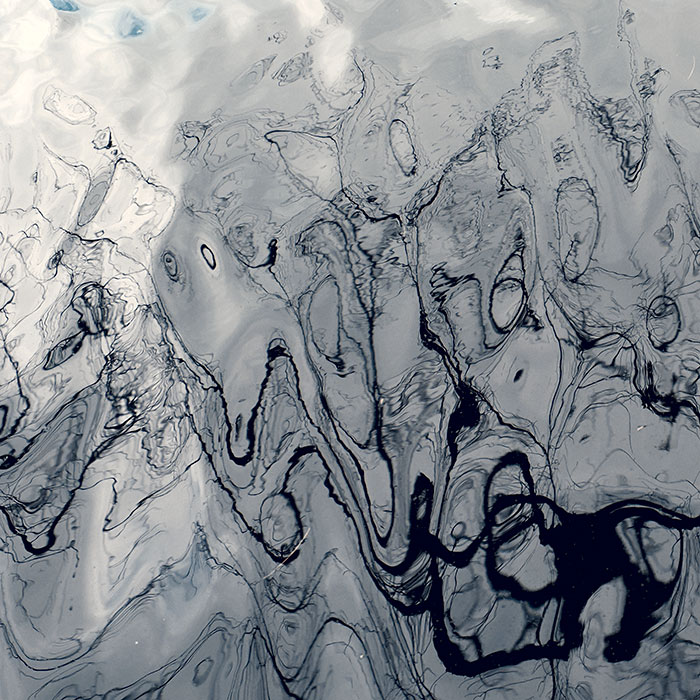
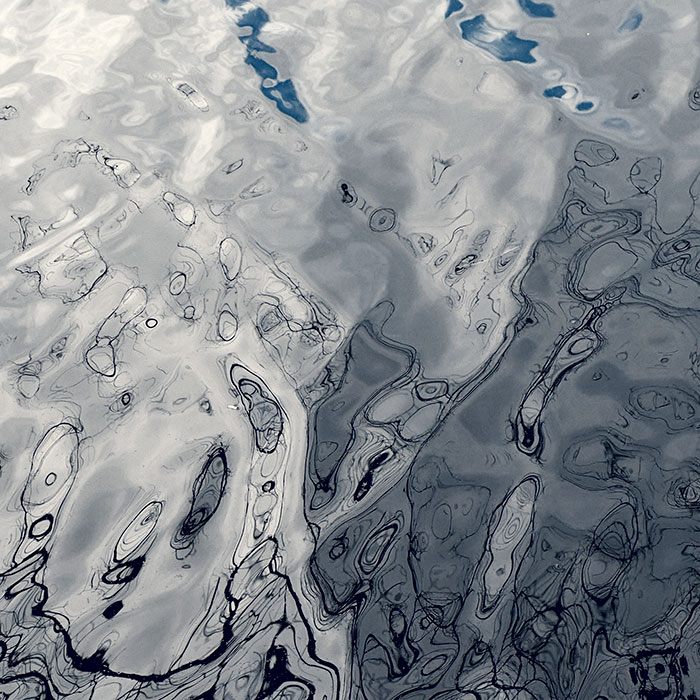
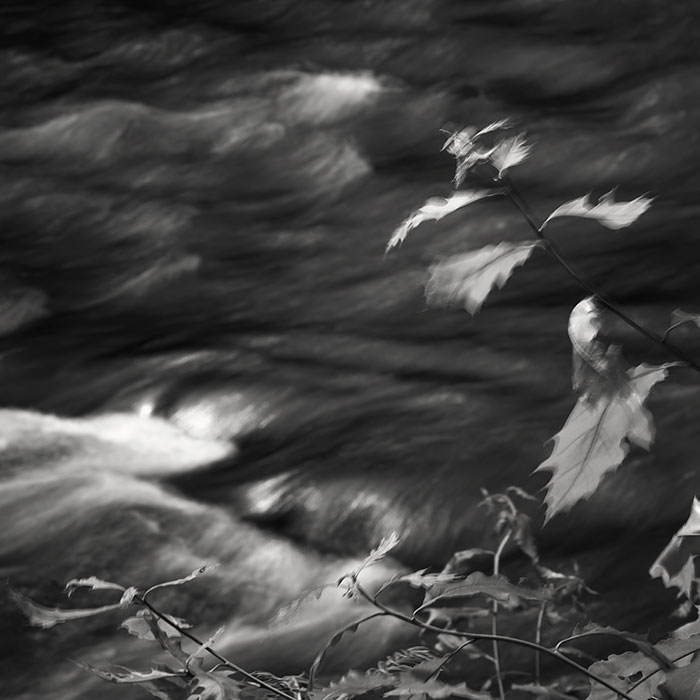
The group of cool-toned ice pictures were photographed at the intermittent stream adjacent to our home. These are black and white photographs, but since I applied a faint split-tone to each, “monochrome” wouldn’t be the right word to describe them.
Despite temperatures well below freezing, the creek has remained in a state of partial freeze, and in various spots it can be seen pulsing below the ice. Most lakes and ponds, on the other hand, are solid enough to walk on.
The Woods From The Ice
Mid December / Brower Preserve
Mid December / Pie Hill Marsh
Mid-December / Phillips Pond
Ice At Roaring Brook
Encased ii
Longshadow
Ice Up
Marsh Brook Ice
Quiescent
All In Good Time
Cedars In Snow
Runes
Encased
December Laurel
Yesterday was the first hike on the Tunxis Trail since our snowstorm. This walk took me north of the Indian Council Caves, up into the last ten miles of woods below the state border. Aside from a very cold hunter near the gate where I’d parked, I saw no one.
The long format picture conveys what much of the area looks like now: snowy woods with many square miles of mountain laurel. For me, all that cold and quiet is welcome news.
The picture is a stitch of 6 consecutive vertical images taken with a normal focal length lens. Before I took the exposures, I swept the scene a few times from right to left in my viewfinder. I find that if you do this slowly, the composition will reveal itself.
Hand in Hand
Pine Ice
Bridging The Gap
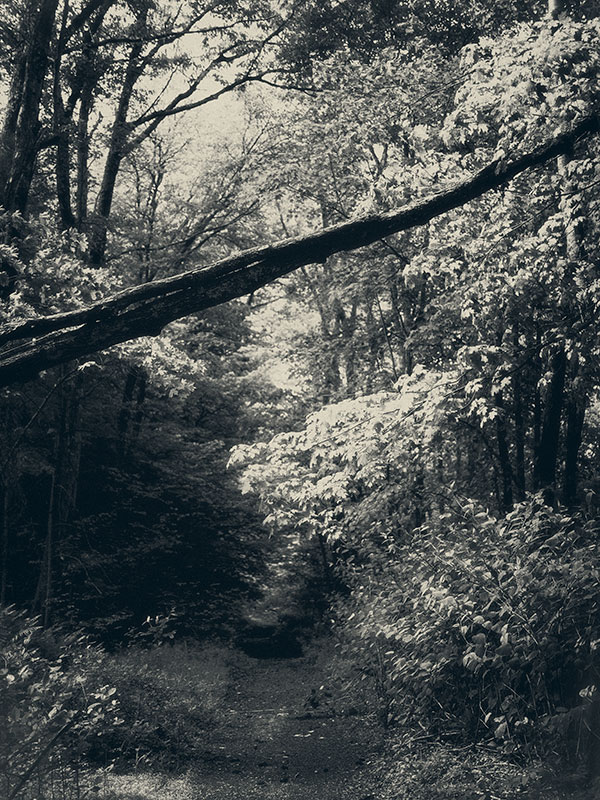
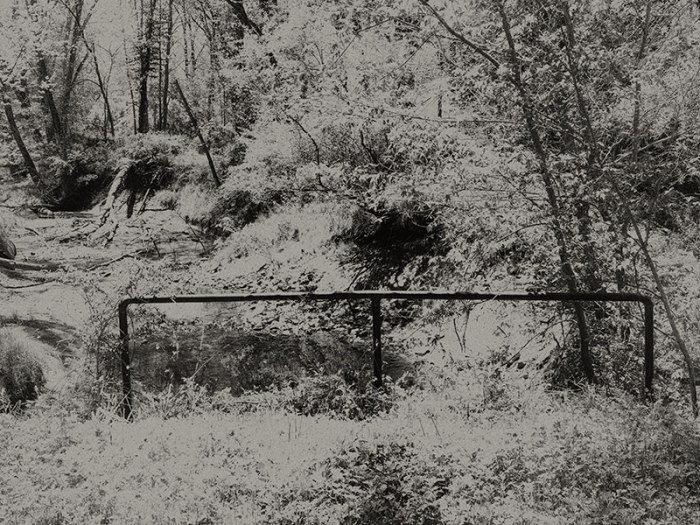
The intermittent stream next to our home that was on vacation last summer has come back to life. After the snowfall two days ago, I liked the way it looked in monochrome, especially with a pale blue tint. The stormy-light helped, I think, by reducing everything to simple shapes and contrast. This picture reminds me a bit of some of Franz Kline’s paintings.
Snowy Field Near Rock Brook
Embrace
This picture, as well as the previous one, are from a half hour walk yesterday along the Farmington River in People’s State Forest in Barkhamsted. The half mile of open field and picnic grounds are bordered by a strip of younger white pines known as Matthies Grove. On the other side of the pines, the river flows south. At the northernmost edge of all this, there’s a few old growth white pines that are truly breathtaking.
On Labor Day, the state park was crowded with folks enjoying the final breeze of summer. Toward the end of daylight yesterday, it was just us and a couple of dog-walkers; a cold wind and a forecast calling for the first winter storm.
With these last two pictures, my aim was to spread the deep grays right to the edge of black and let the lighter areas fall where they’re so inclined. For me, that’s the best way to make music in the shadows.
The River From The Grove
Phillips Pond
Besides cold hands, the walk to Phillips Pond resulted in a landscape. “Panorama” is the word for the format, but I prefer to think of them as sweeps.
That’s partial ice out there on the water and the little sign in the foreground is the trail marker.
If you ask me, the trail marker makes the picture.
Birches
November Squall
Almost Home
The driveway is curling into the shadows of late November. It is caught, taken to the computer to be bathed in a light sepia tone and shared throughout the world the next morning.
During my darkroom days, the only toner I ever worked with was selenium and that was used primarily for print permanence. Its faint purplish tone is barely discernible and, at least to me, does not resemble the various pre-sets for it found in photography software.
The word “sepia” has become synonymous with “old.” Early albumen prints had a wonderful warm-toned look, but they were susceptible to fading. Print impermanence would remain an issue in photography right up until the digital era. “Sepia,” it turns out, can also mean “faded.”
When Susan Sontag said, “all photographs testify to time’s relentless melt,” she was well-aware of the double entendre. The photographs, as well as their subjects, are the testimony she had in mind.
New Hartford CT
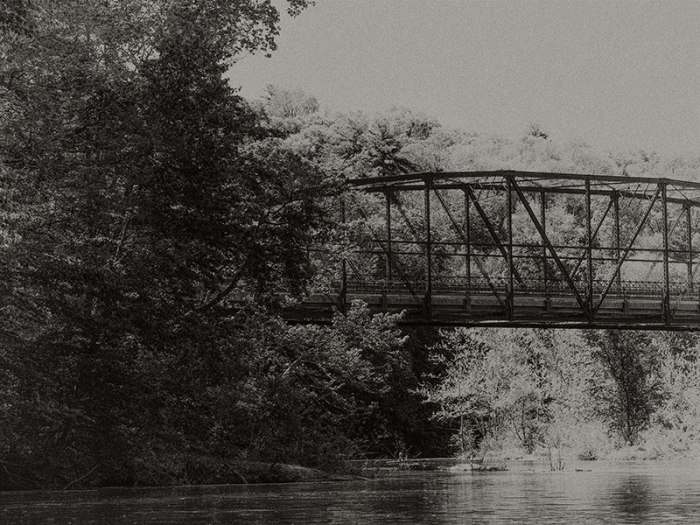
Off The Bridge
The Intermittent Stream
Lake McDonough Viewpoint
The picture is from late yesterday; a overlook on the Tunxis Trail in Barkhamsted, Connecticut. There was a climb to get up to this spot, and it looked quite a bit different than when I was there in July. November’s evening cloak was already spreading over the woods reminding me to start heading back while I still had some light.
Nineteenth century photography is always tugging at me, and I often borrow one thing or another when working on a picture. I tend to avoid the full-throttle treatment in most situations, but when I caught the scent of melancholy that it brought to this file there was no turning back.
Folium
Tunxis Terrain
Tory Den


Coinciding with the Ken Burns series on the American Revolution was a visit yesterday to Tory Den. The den is a secluded rocky ledge with a “cave” formed by a giant slab of rock which slid down long ago. The spot is tucked away in the woods in Burlington, Connecticut, and can be reached by a hike on the Tunxis Trail.
There is history here. In 1777, a pro-British Tory named Stephen Graves found refuge in these rocks, avoiding capture by local militias. I wasn’t interested in rounding up Tories but I was interested in capturing some light.
While working on these pictures, I remembered Velox, a contact printing paper which was first made available to photographers around 1905. The blacks on that paper were bottomless when printing beyond the farthest gray.