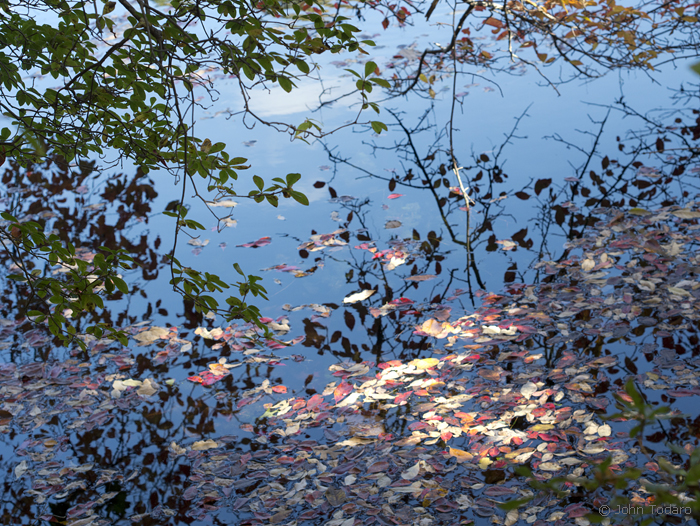
Viewpoints
Calligraphy
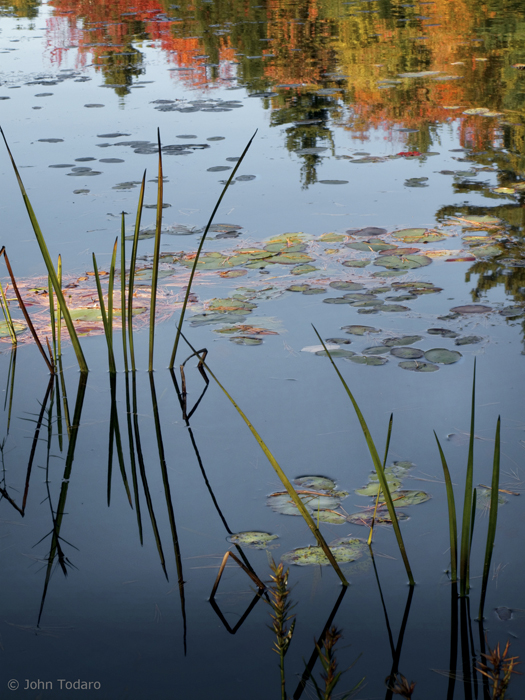
Surfacing
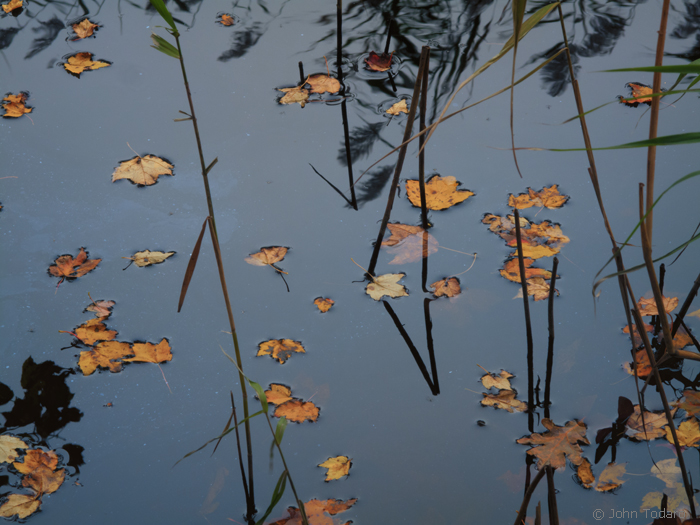
Canon G10
Scoy Pond, East Hampton NY
Bull Path Wetlands
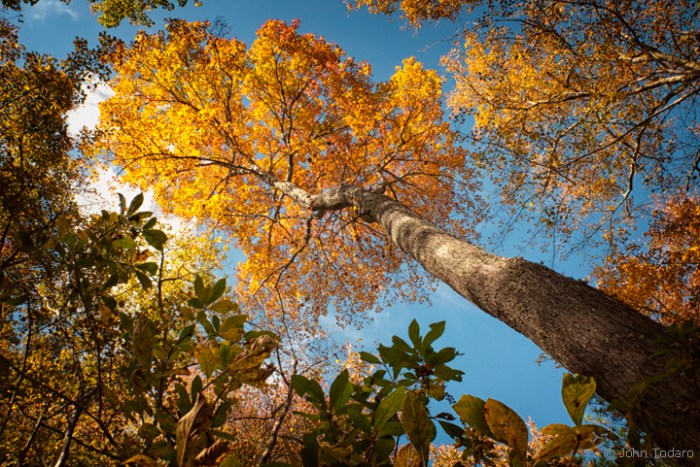
G3 Lumix 14mm/wide converter
East Hampton NY
Fall is here.
Red Shack in Marsh
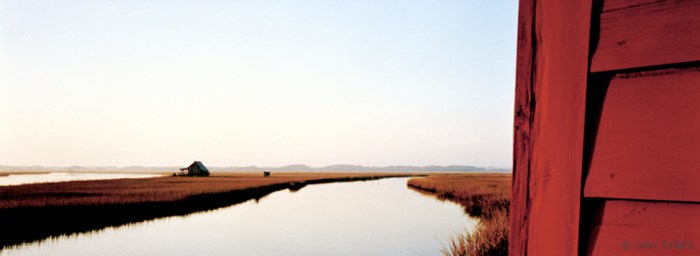
I took this picture on my honeymoon in October 1988. The location is Metompkin Island Virginia, a remote place with isolated fishing shacks. In order to get there, we needed a canoe.
Over the years, it’s been a popular photograph, having gone through a series of incarnations. The original was shot on 120 negative film with a Fuji 645 W.
Initially, I sold a few C Prints straight from that negative, but soon became unhappy with the low contrast. A friend who owned a lab suggested we copy the original onto an 8 x 10 negative. We did this with the expectation that the copy would increase contrast. It worked. I preferred the amped-up version, although the earlier one had its merits too. Between 1990 and 2001 I made a number of C prints from that copy, which required an 8 x 10 enlarger in order to make the prints.
With the advent of digital imaging, this was one of the first film photographs that I archived. At that time, all my scans were drum scans.
With my hybrid-digital file, I began a new edition of prints. The first few were “digital C’s”, but I soon preferred the look of Epson fine art papers and that’s where the picture has remained ever since.
These days, the image is printed onto a roll of Epson UltraSmooth Fine Art Paper with the Epson Pro 3880. The photograph is approximately 11″ x 30″, matted in a 22″ x 40″ white rag mat. All my work is framed in white wood. The edition of 100 prints is about two-thirds complete.
Inward
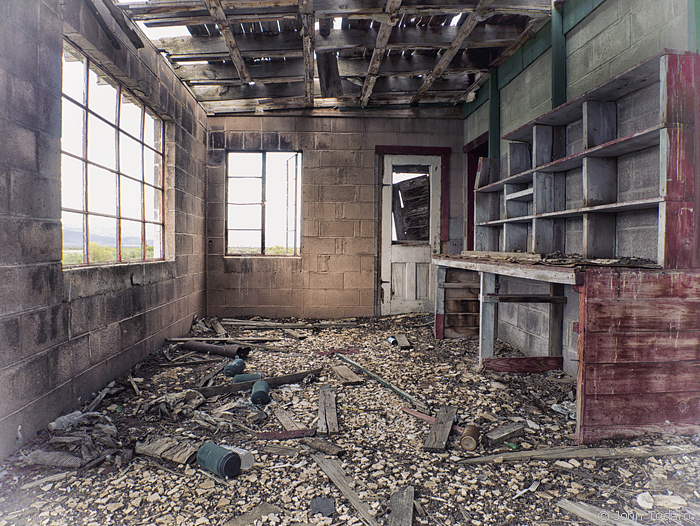
G3 Lumix 14mm wide converter
Colorado August 2013
Roadside Rooster
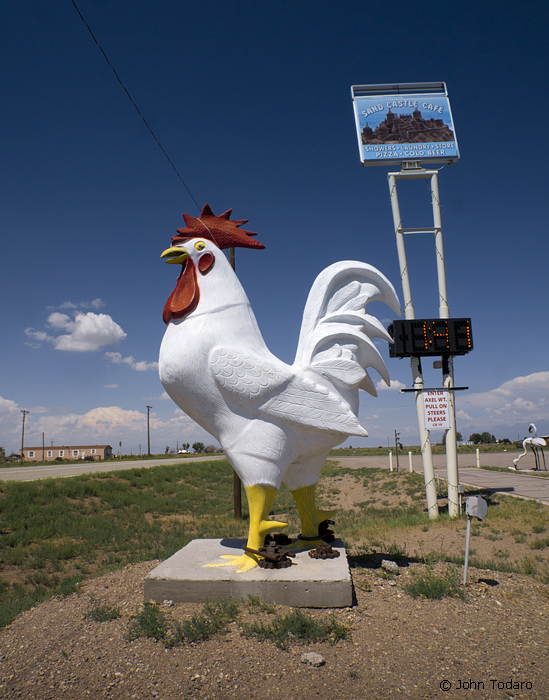
G3 14mm Lumix
Costilla County CO, August 2013
Flamingos
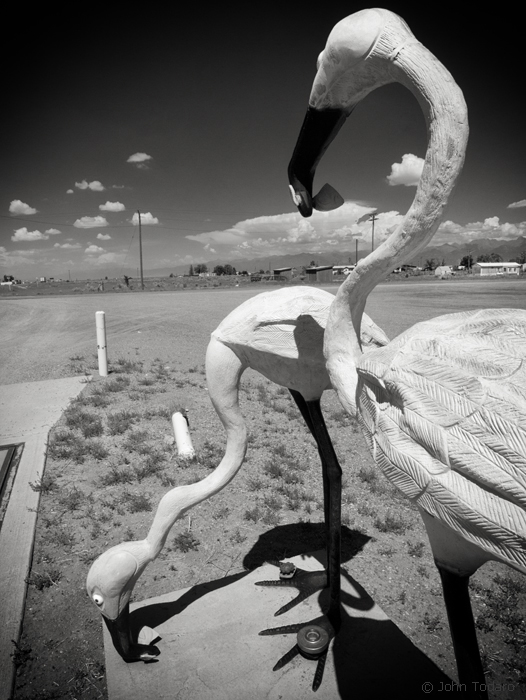
G3 14mm/wide converter
Costilla County, CO August 2013
Highway 96
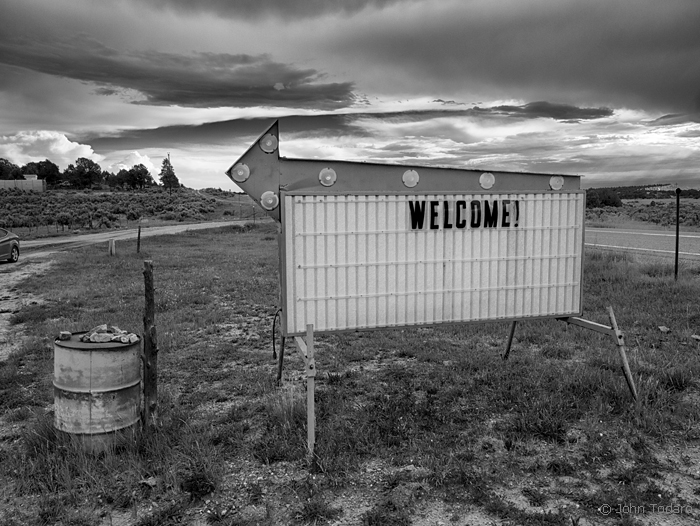
Highway 96 / New Mexico
6th St. Gym
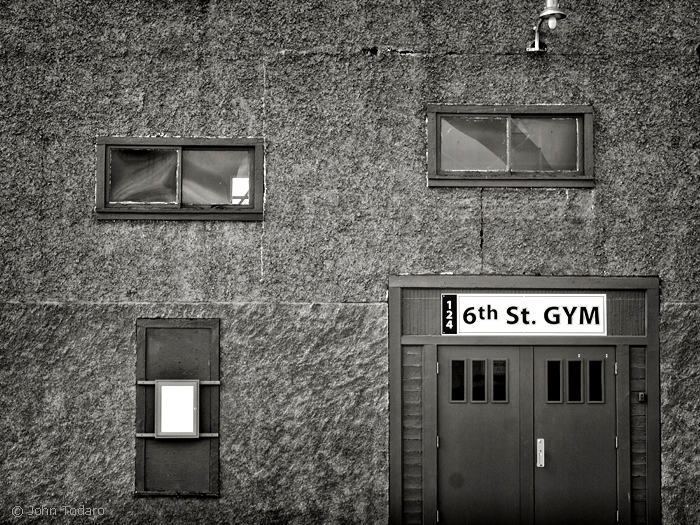 Leadville CO
Fish Crows
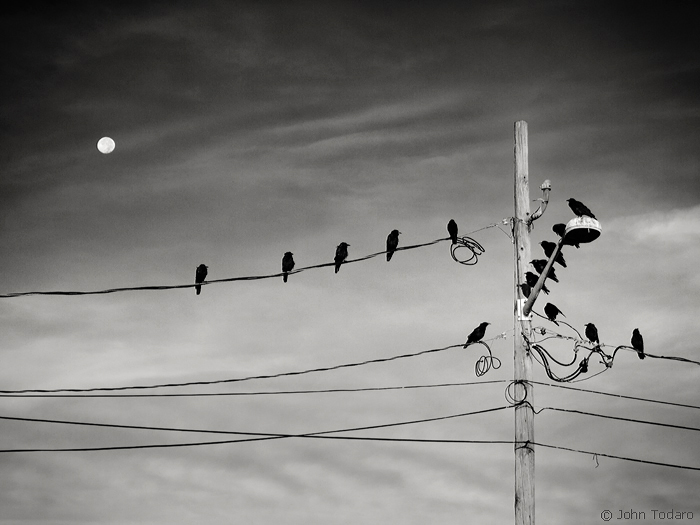
Montauk NY
Leadville Window
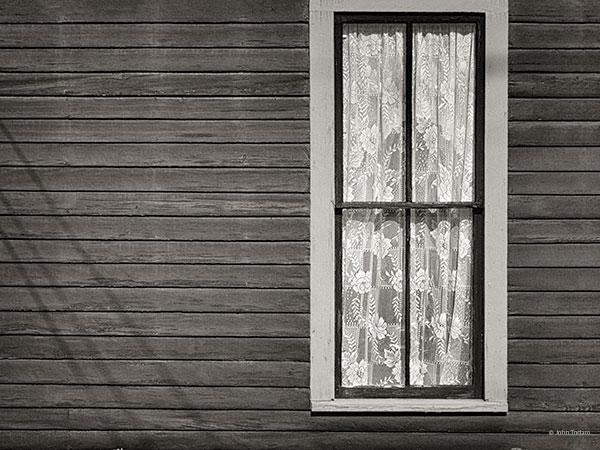
Leadville CO
Roadside Ruins
 Tucumcari NM
Interstate Diner, Watkins CO
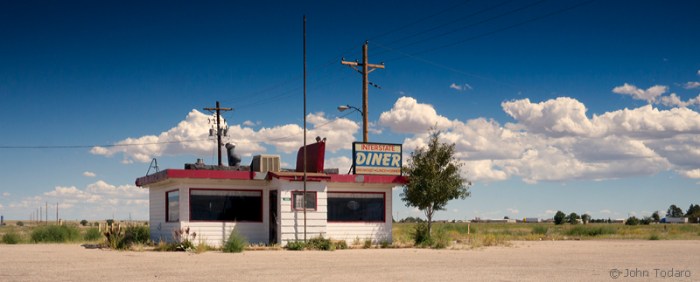
Trinidad
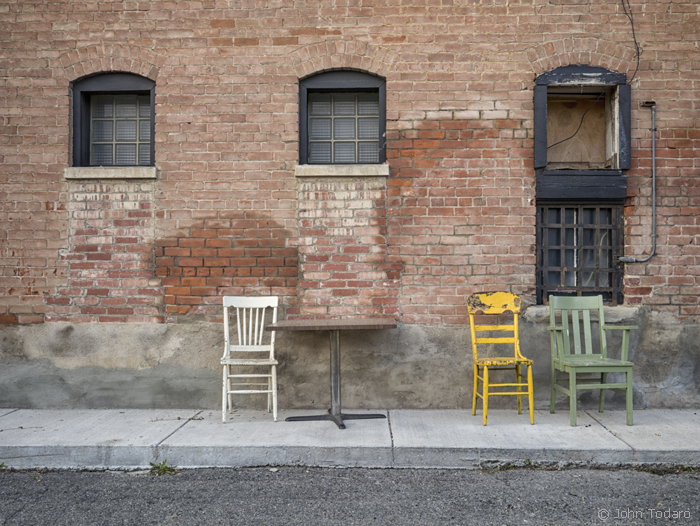
Mezzo
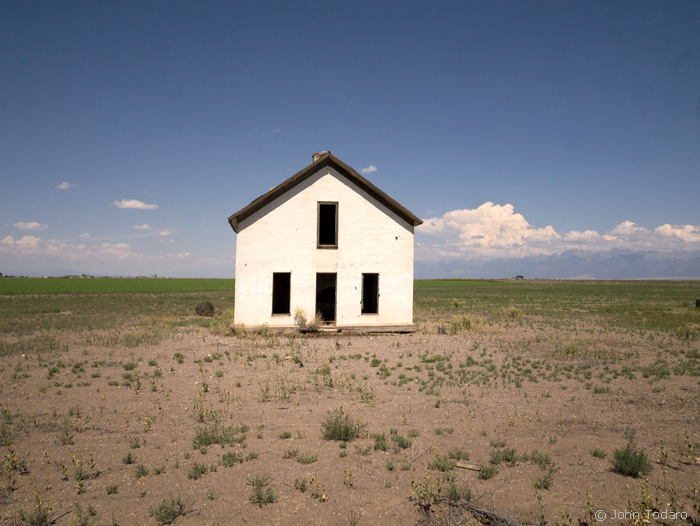
Alamosa CO
Church Ruins
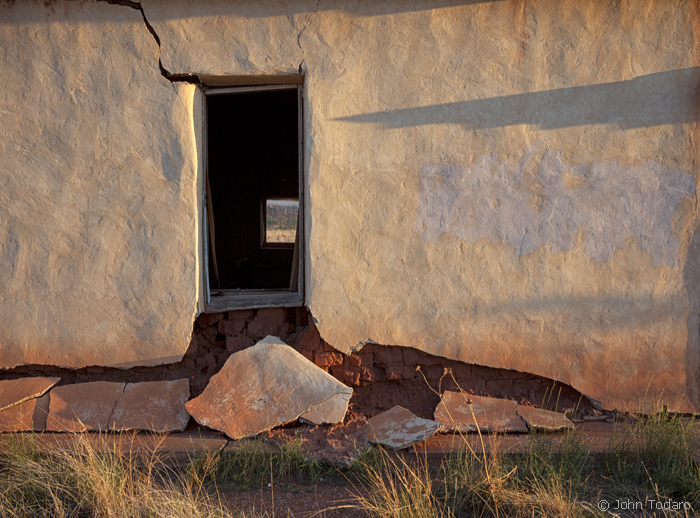
Sandwiches
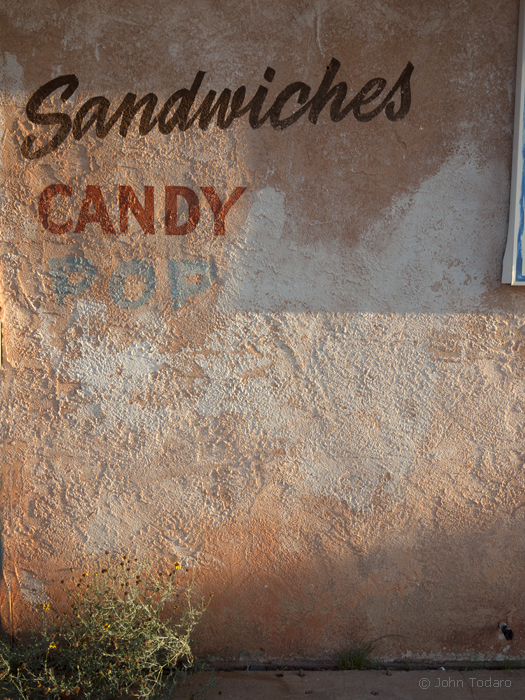
Second Story Window
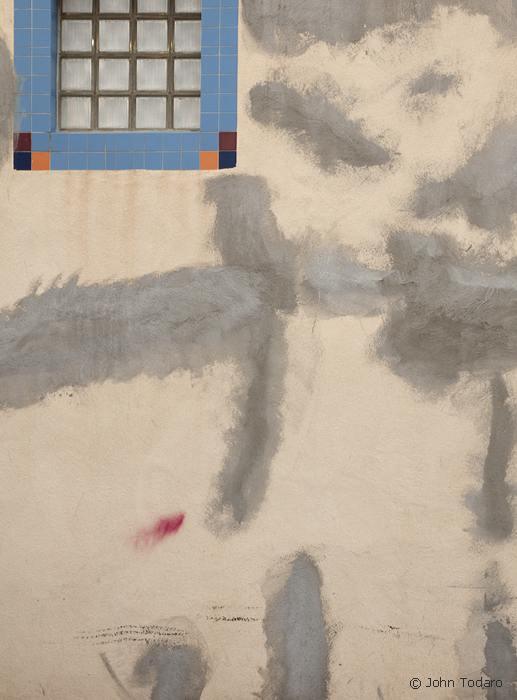
Ninja
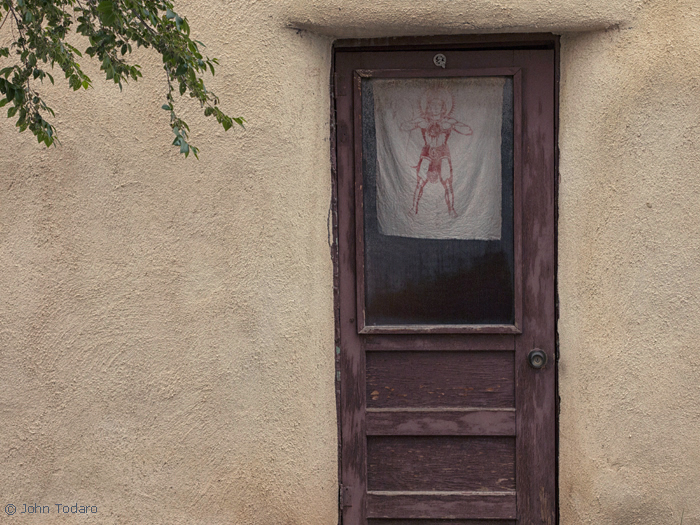
Trío
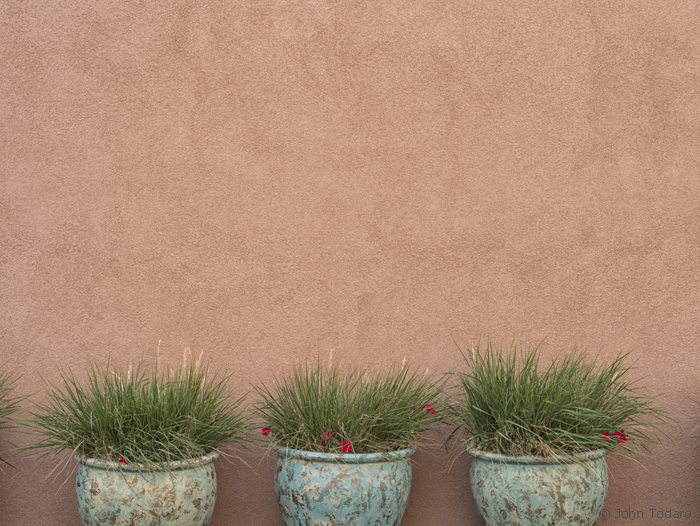
Late Summer Doorway
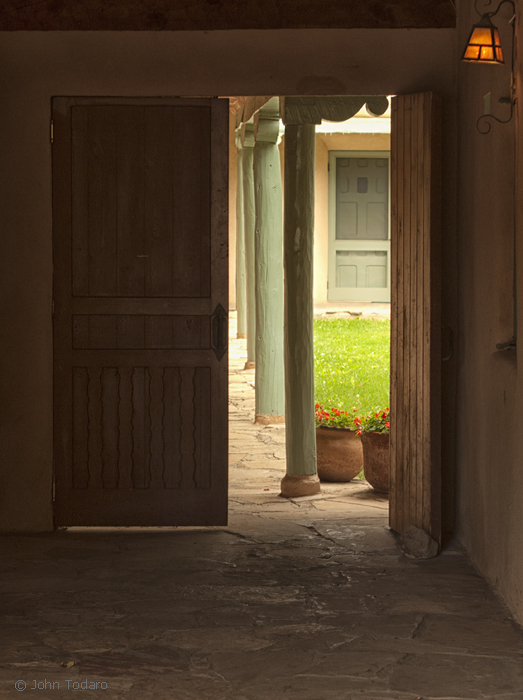
Switching gears this morning to a series of new images from Taos, New Mexico. I’m initiating the group with a picture of a doorway, but the subsequent photographs will be more two-dimensional and abstract.
Railyard V
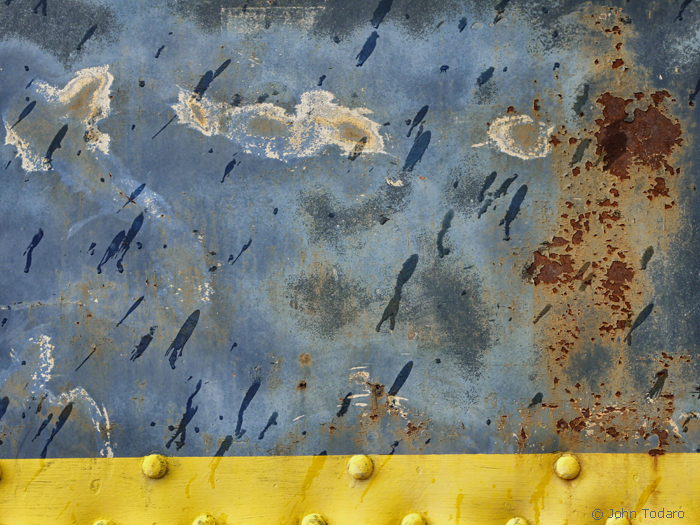
…more from this series in a few weeks.
Railyard IV
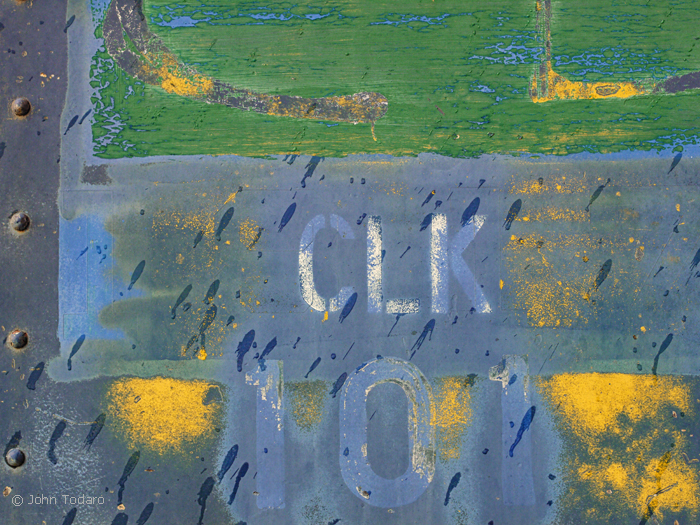
Railyard III
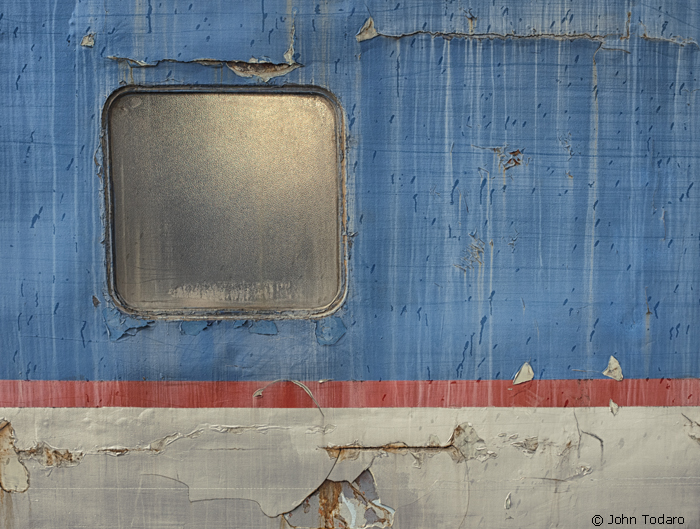
— a horizontal image, catching the first few raindrops
Railyard II
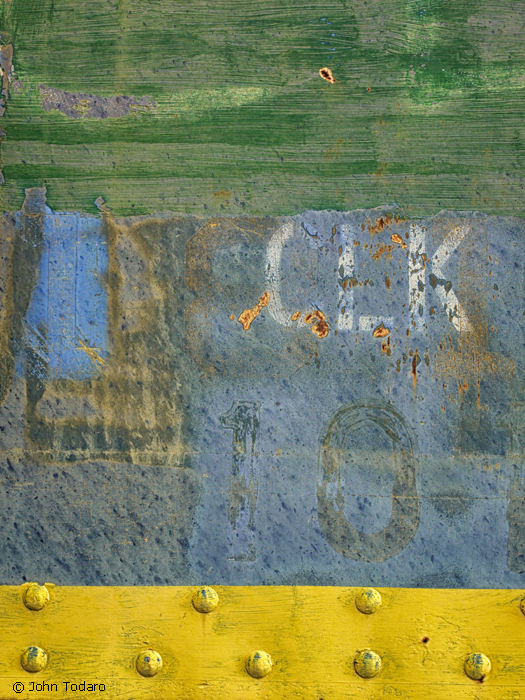
A Railyard Series
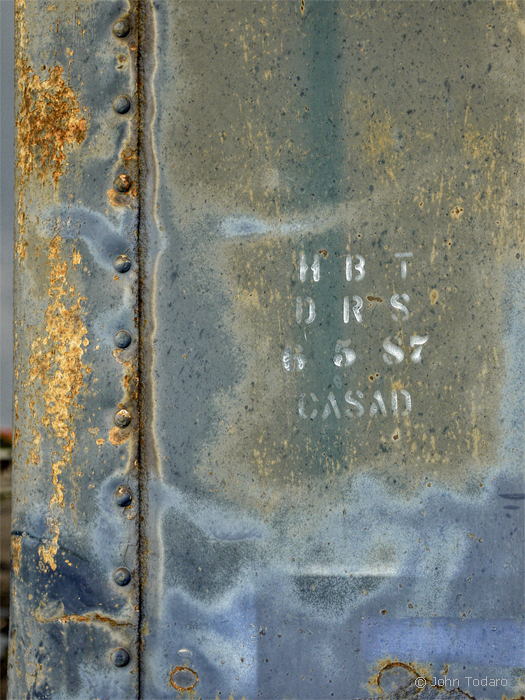
Colorado
Rise In the Road
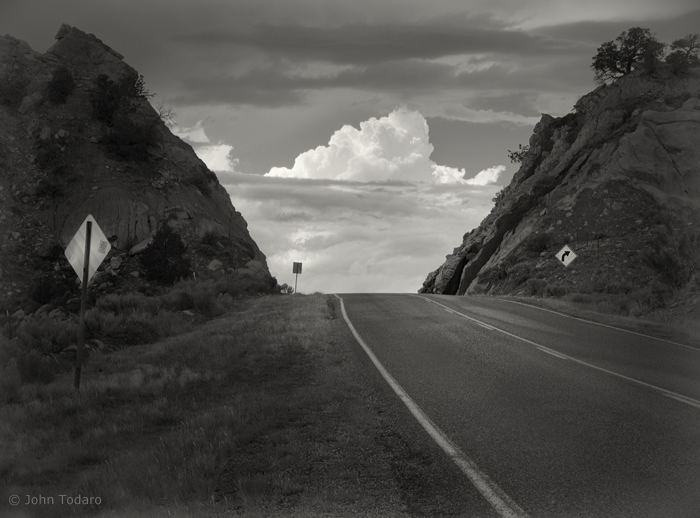
New Mexico
Fifteen Abstractions -Three Mile Harbor
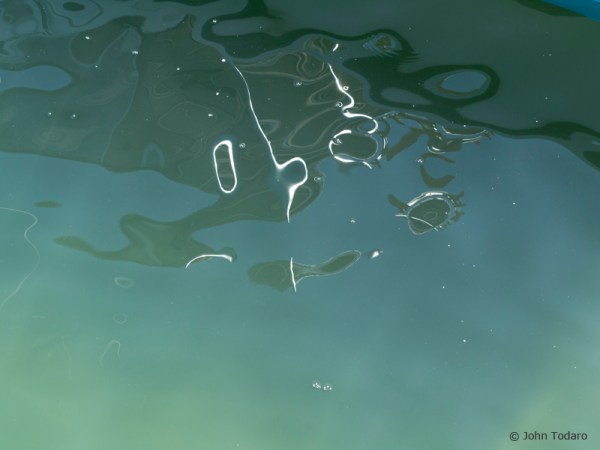
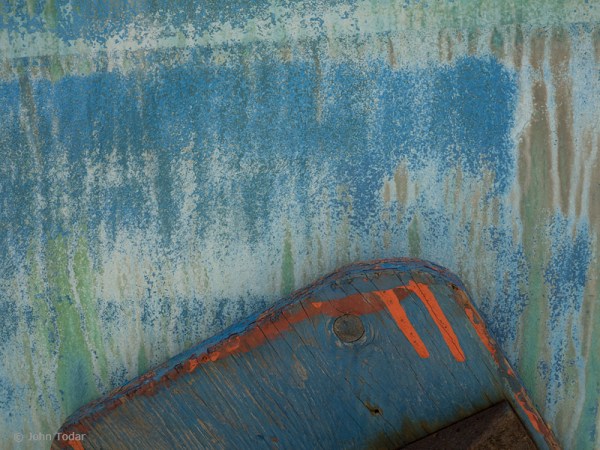
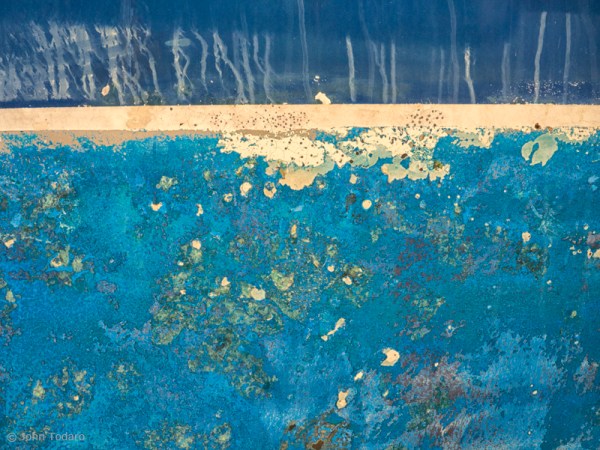
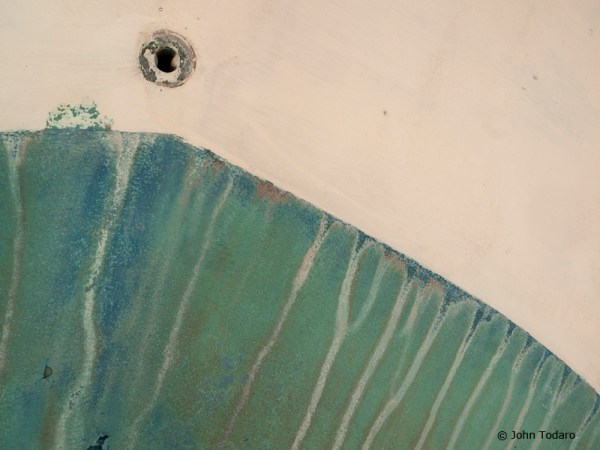
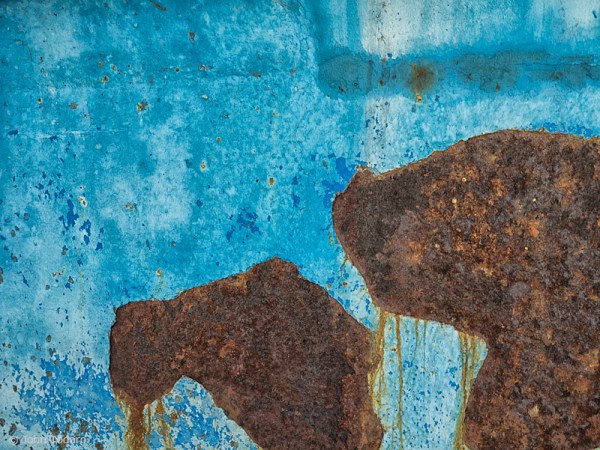
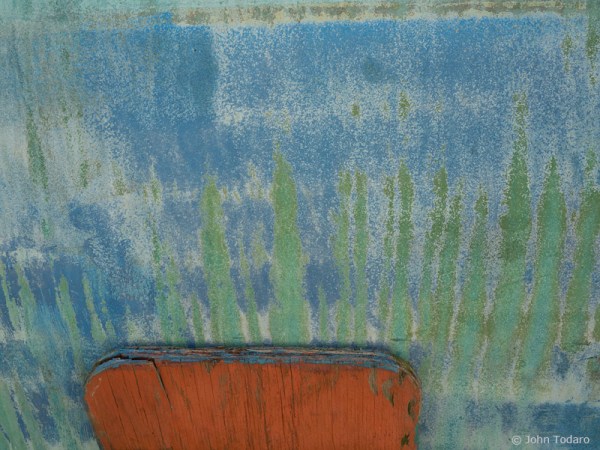
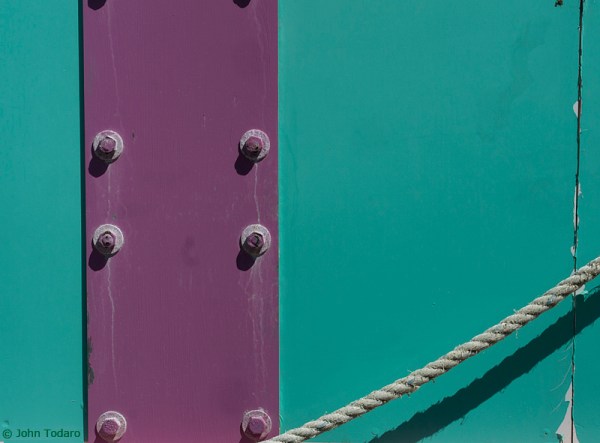
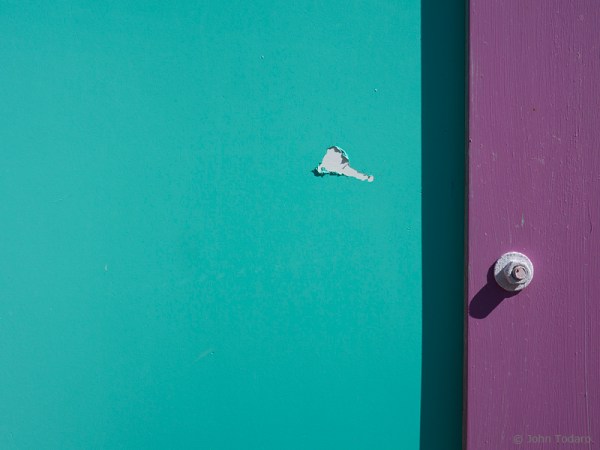
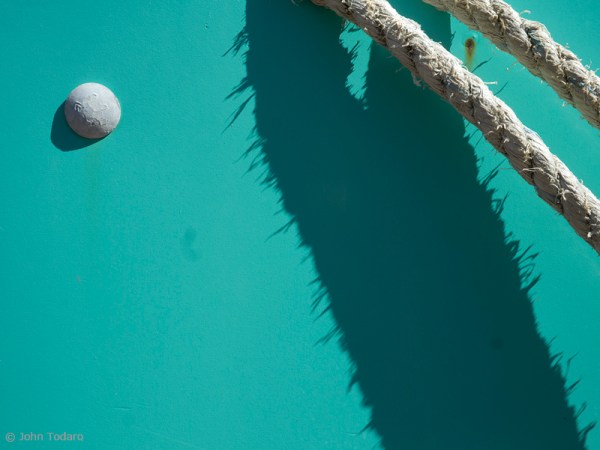
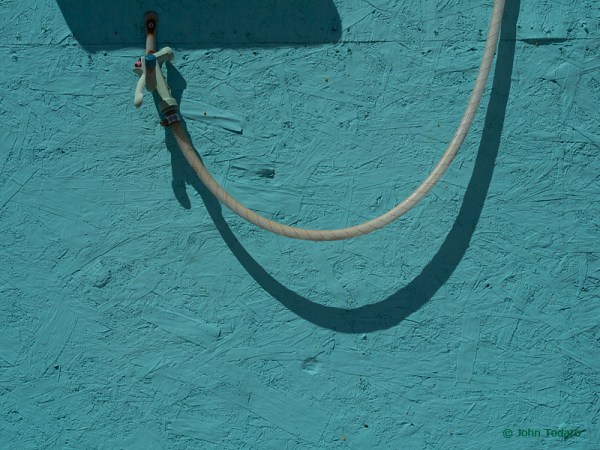
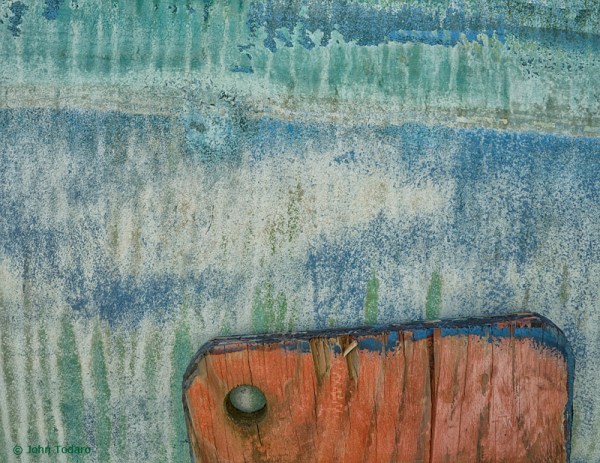
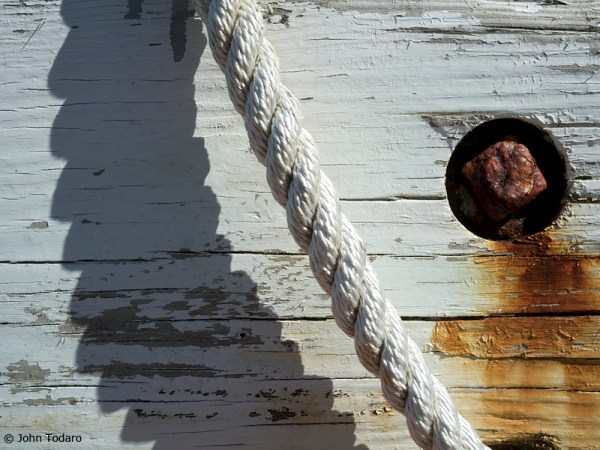
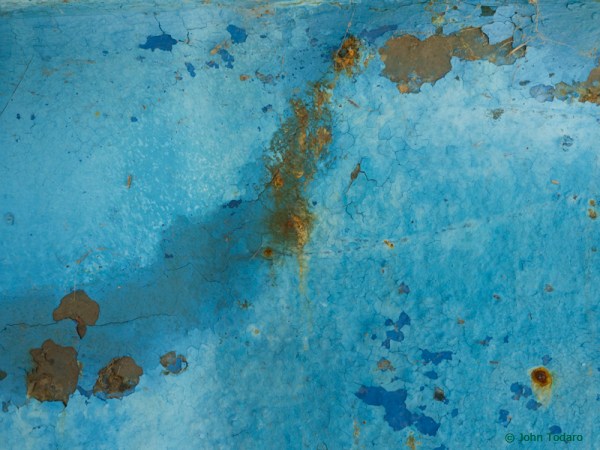
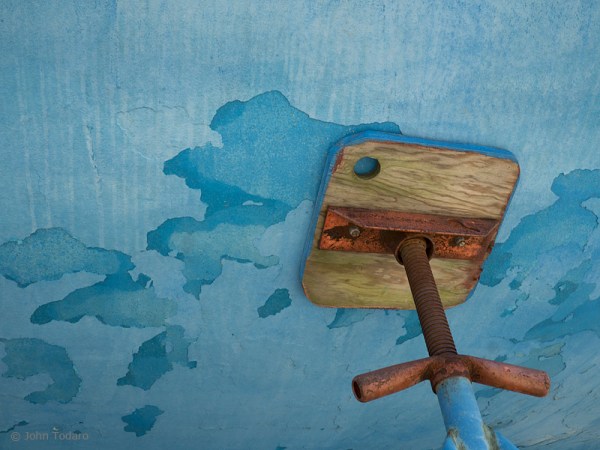
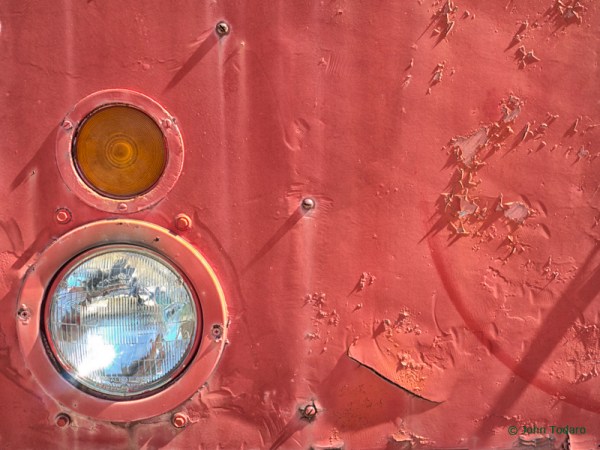
East Hampton NY
Photographed with The Wednesday Group, a collective of local painters who meet to paint en plein air at various locales around town.
Been Around

Utah
Picnic
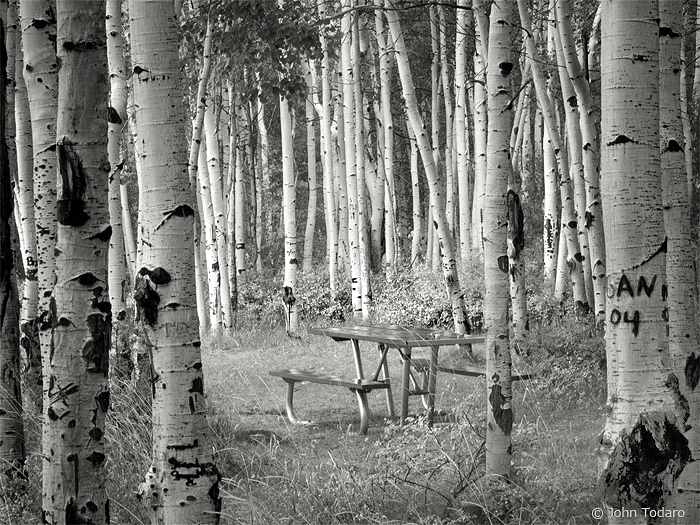
Manti La Sal National Forest, Utah
Stone Wall in April
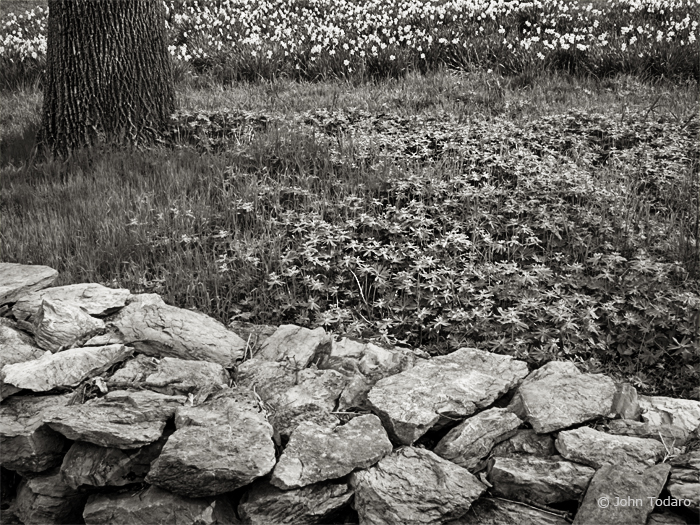
Dinghy at Dawn
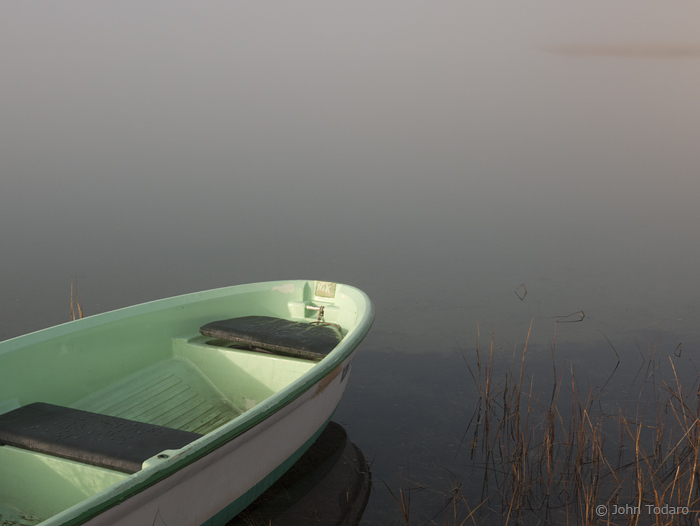
Louse Point, Springs
Grand Republic
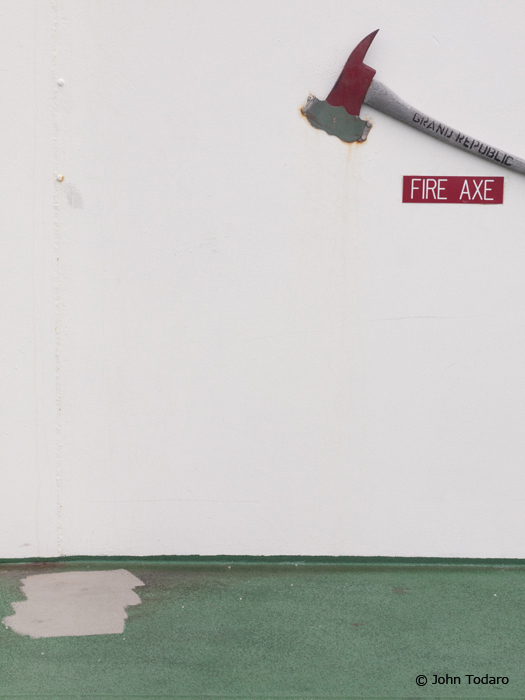
Port Jefferson / Bridgeport Ferry
Handbills
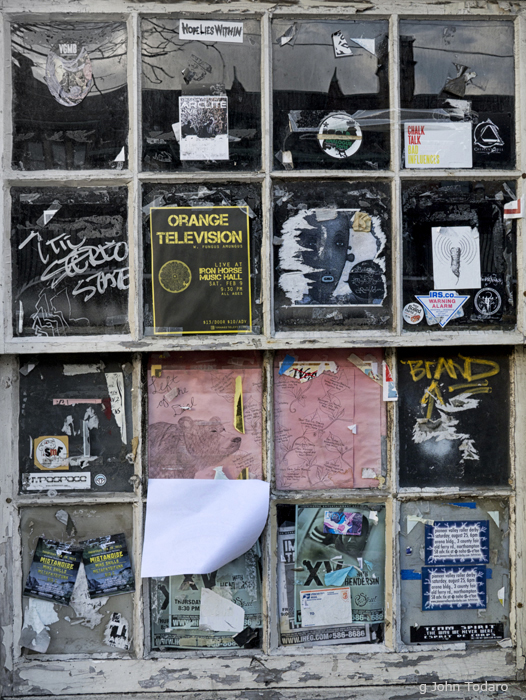
Northampton MA
Barn and Sky – New Mexico High Plains
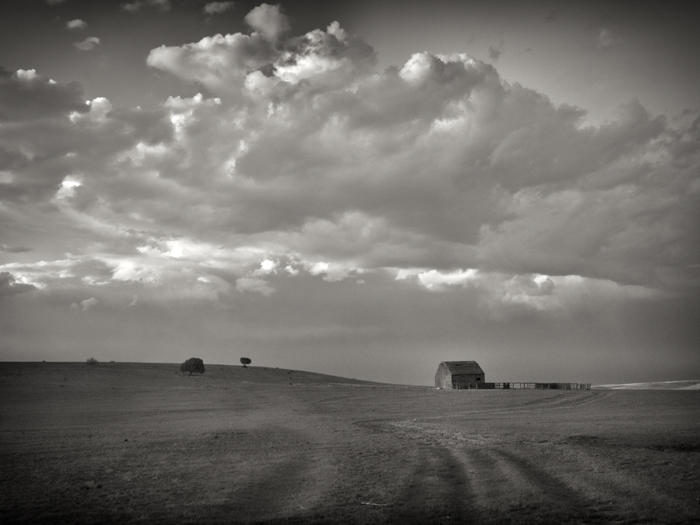
Dusting
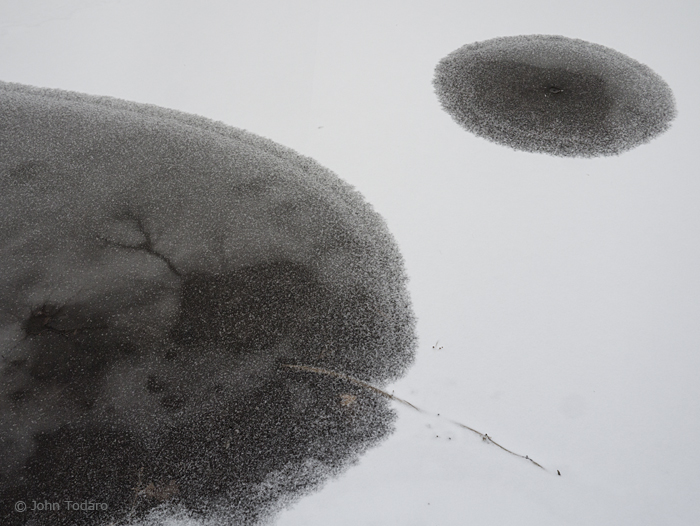
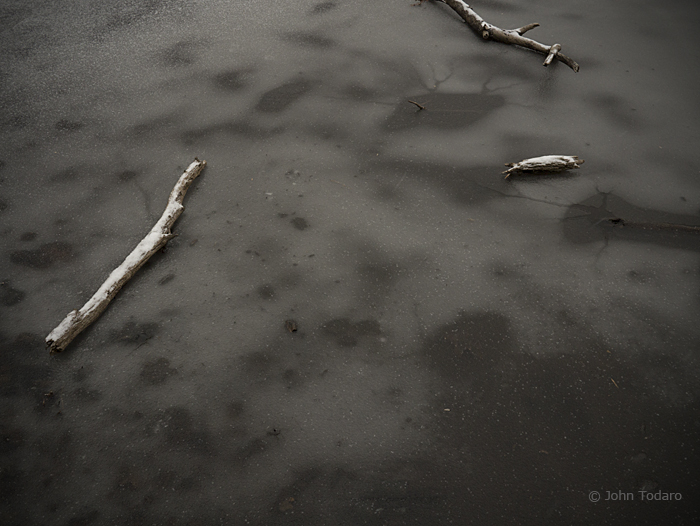
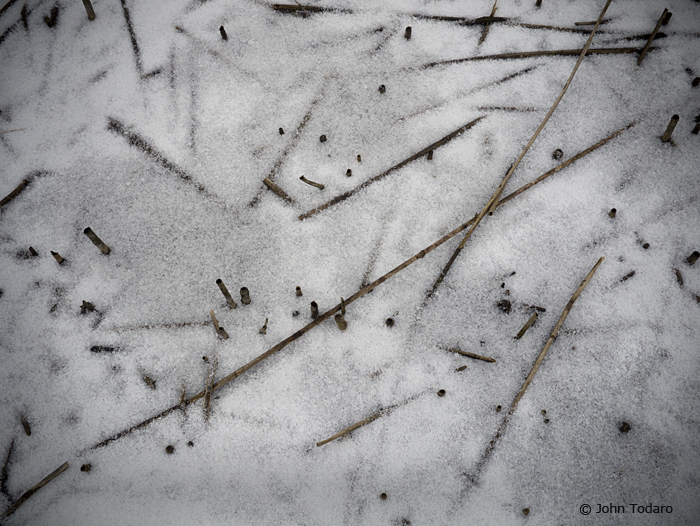
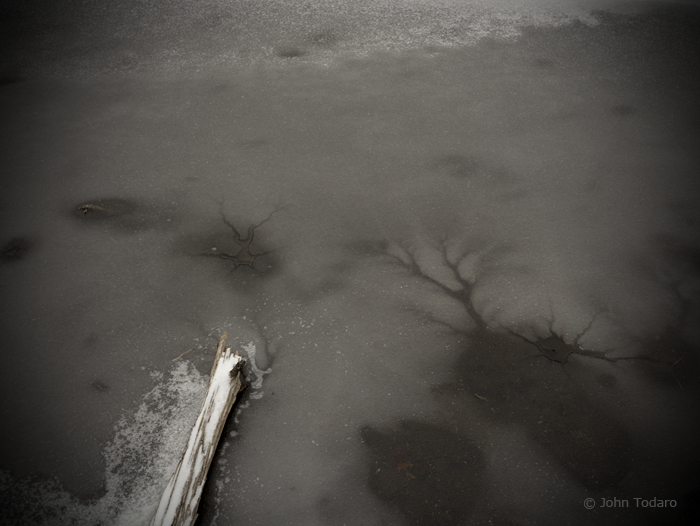
Two Holes of Water / Mile Hill Road cul-de-sac (East Hampton)
Iceforms
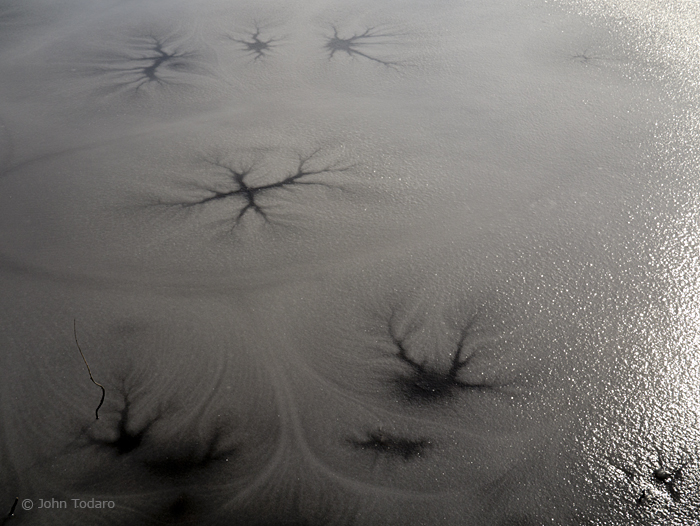
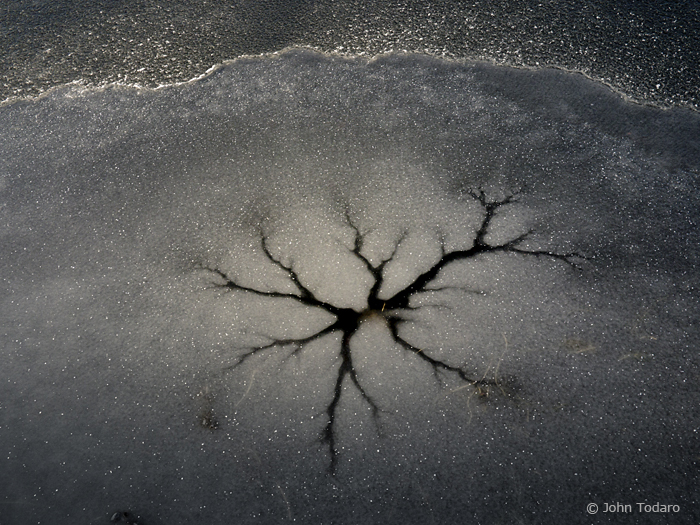
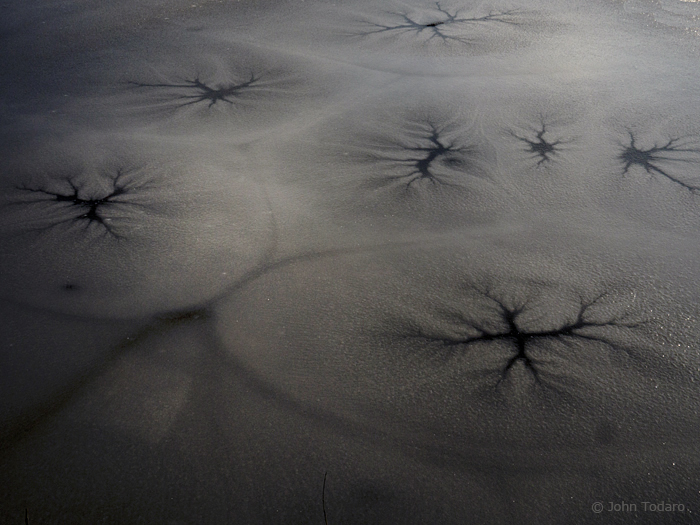
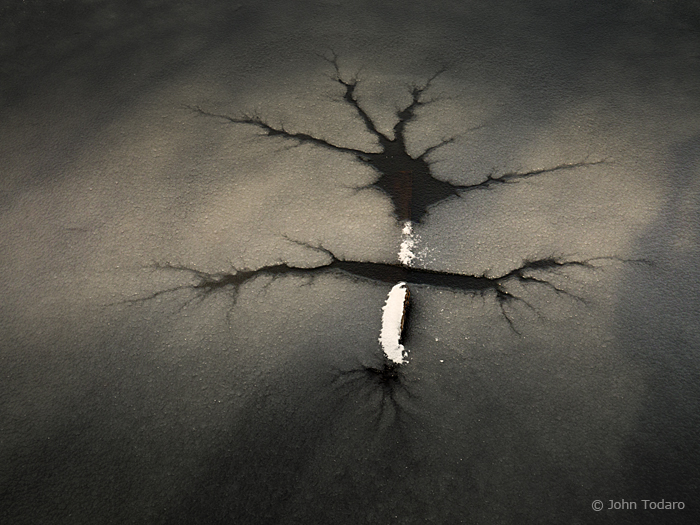
Scoy Pond East Hampton (1 and 4) – Crooked Pond, Sag Harbor (2 and 3)
Twigscapes
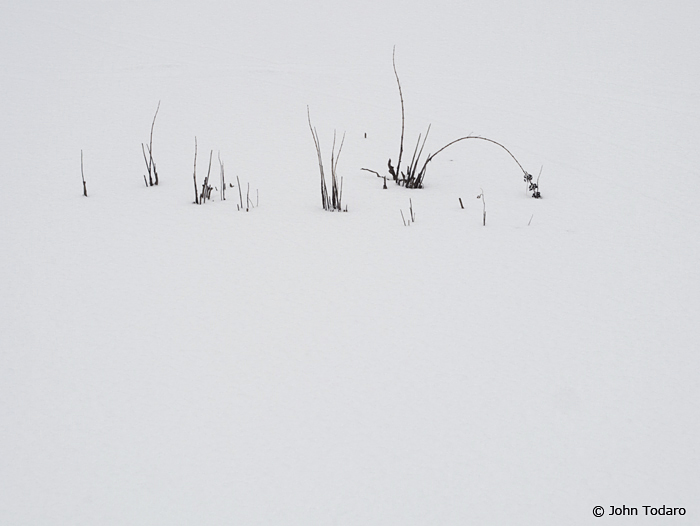
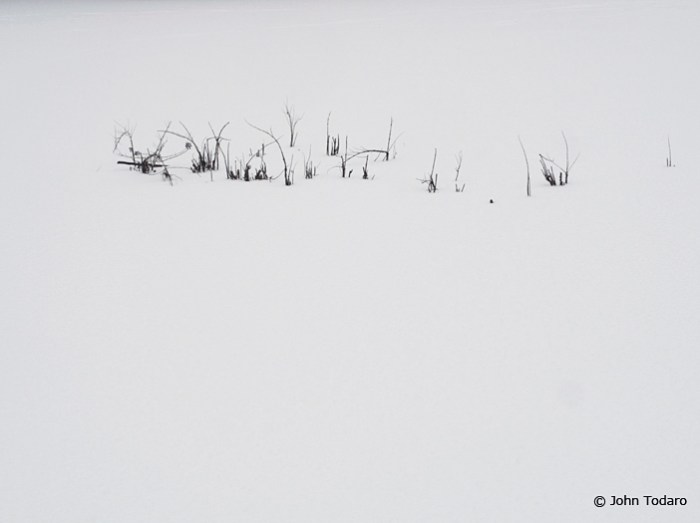
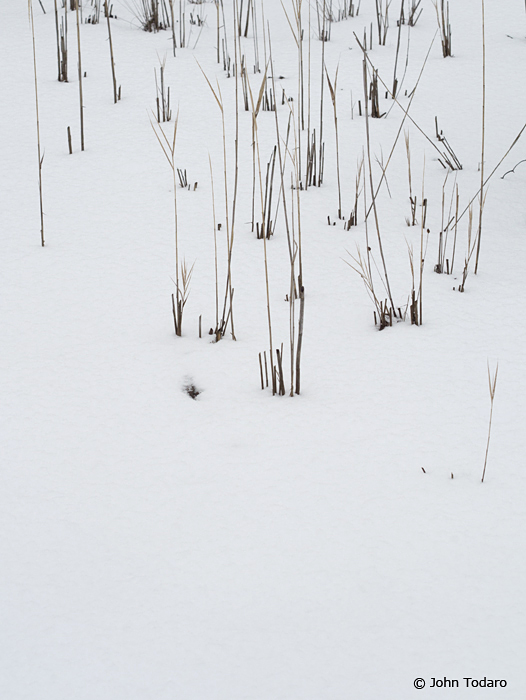
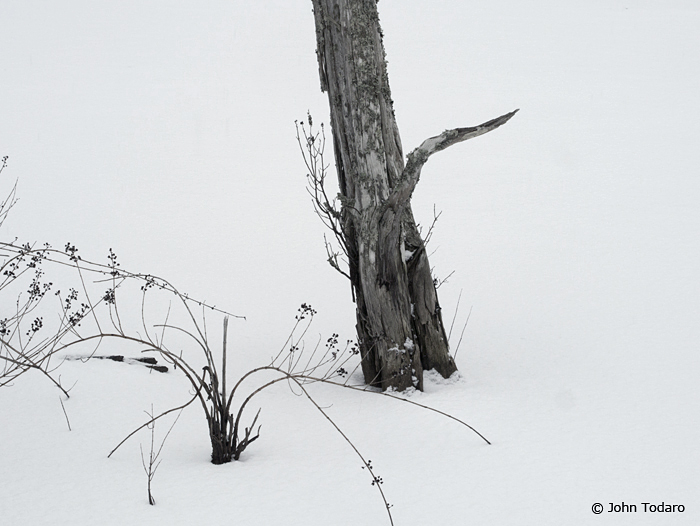
Staudinger’s Pond, East Hampton
House in Fog
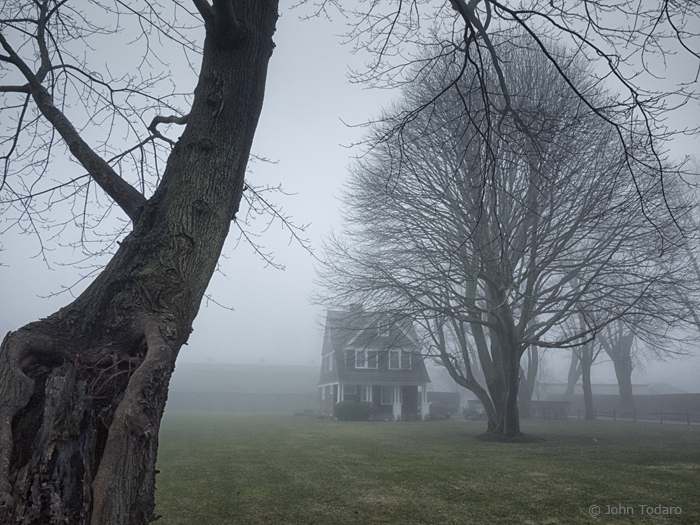
Water Mill NY
Mid Winter – Alewife Pond
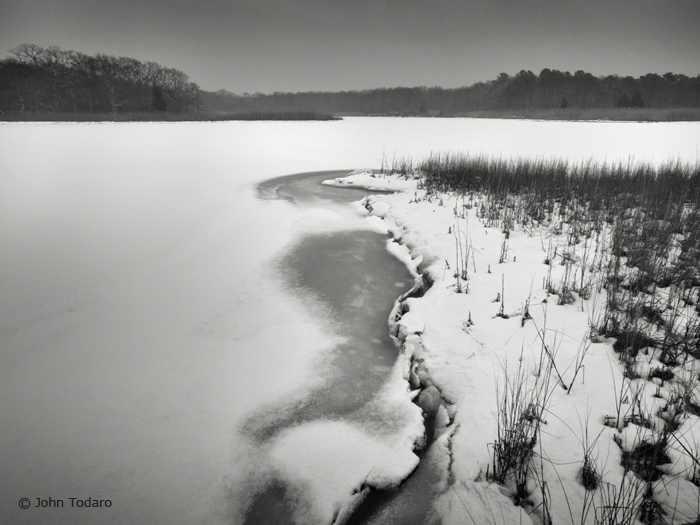
East Hampton NY
Gas Pump Gothic
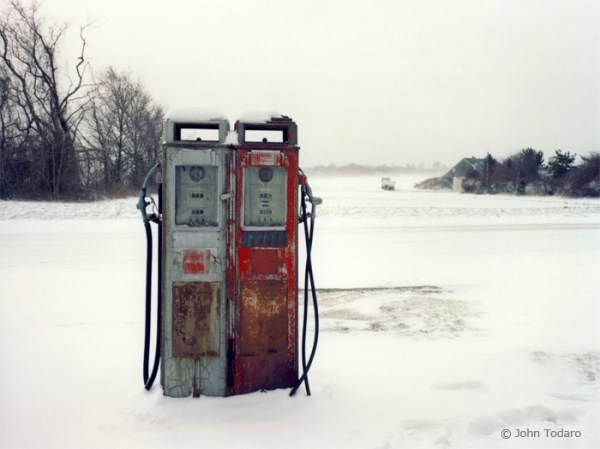
First Snow
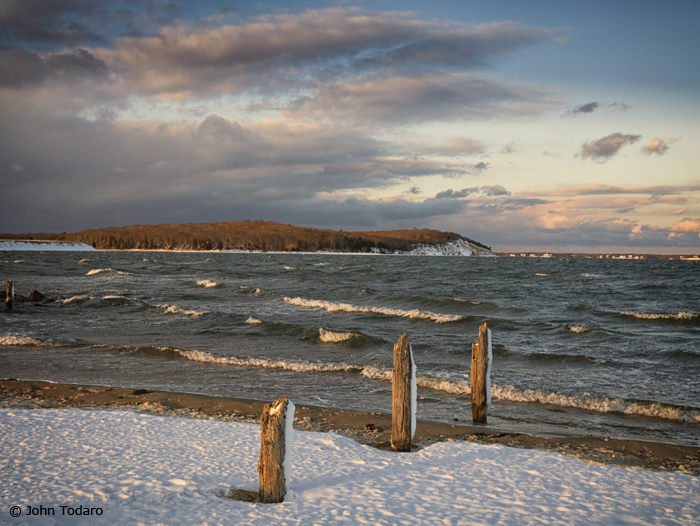
Thanks to all who visited the show at Ashawagh Hall over the weekend. We had a large turnout for the reception, everyone’s work looked great. I’ll be busy with print orders for the next few weeks–thanks again, everyone!
•
Below: a photograph of the bluffs at Barcelona Neck this morning, from the beach at Mile Hill Road.
Panasonic G3 – 20mm
Cabanas

A view of cabanas (taken during a real winter) down on the ocean in East Hampton. I miss the snow.
Hasselblad 903 SWC – scanned from color negative – Epson V 700
Submersion
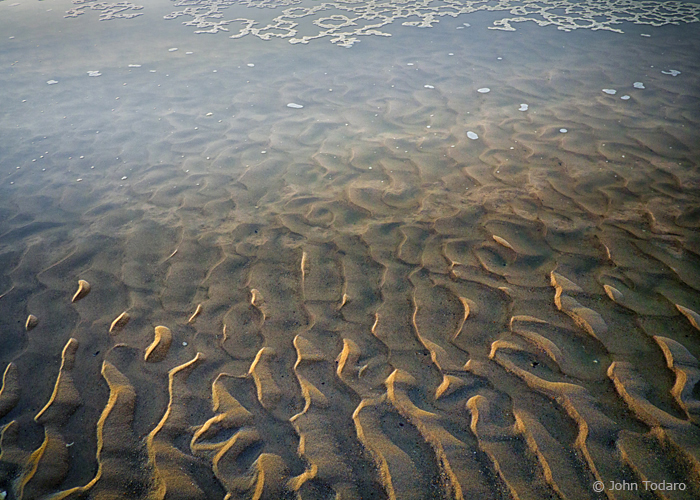
Wiborg Beach, East Hampton – January 10 – 7:30 am
Panasonic G3 – 14mm
Sea Foam IV
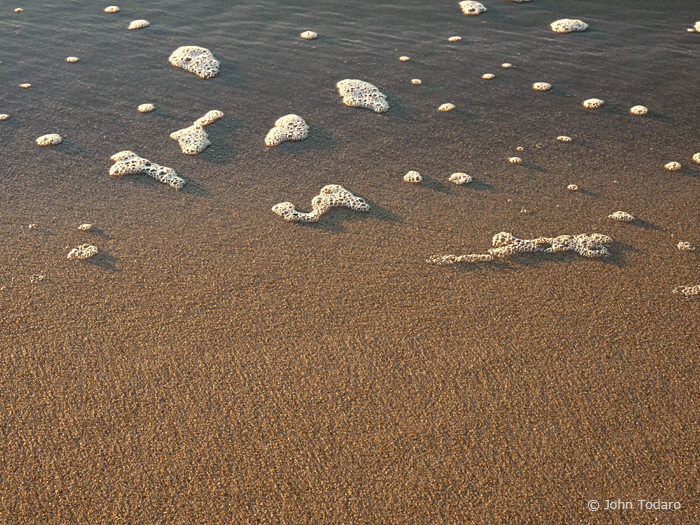
Wiborg Beach, East Hampton – January 10, 8:30 am
Panasonic GF2 – Olympus 45mm
Finback
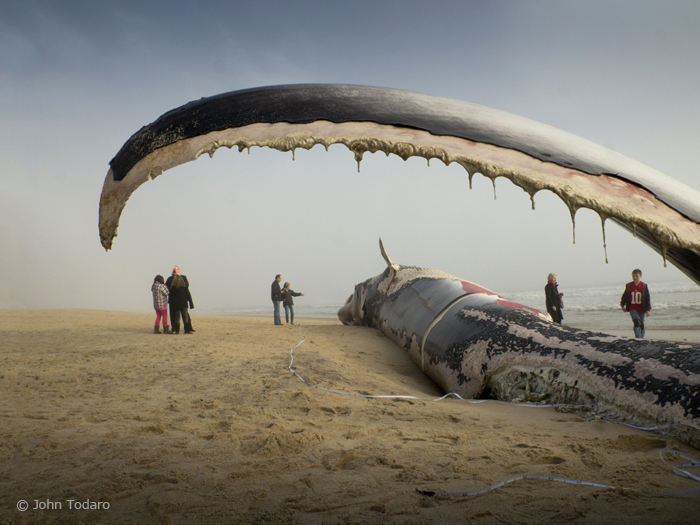
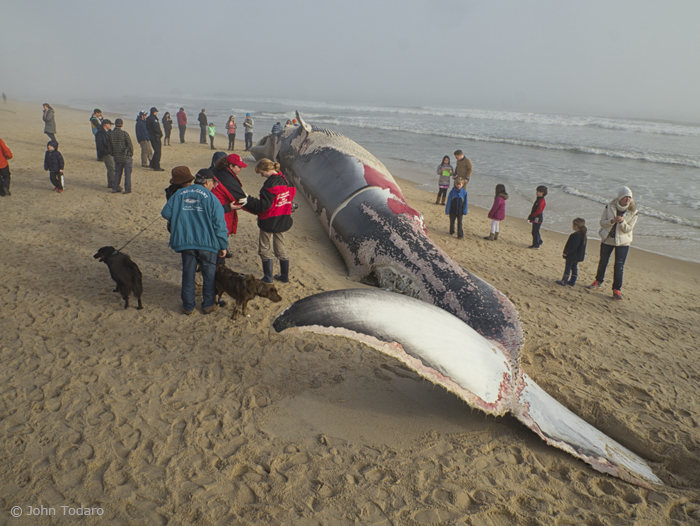
A 60′ Finback Whale washed up yesterday in Amagansett. The Riverhead Foundation for Marine Research and Preservation said it was an adult female. No clear cause of death had been determined, but a ship strike hasn’t yet been ruled out. Finbacks are common, although it’s quite extraordinary to see one washed up. Coincidentally, an infant Pygmy Sperm Whale beached two miles west of the Finback yesterday–a very unusual species in these waters. The infant was weak, and apparently separated from his mother. Unfortunately, it had to be put down by officials.
Sad day on the beach–a quiet crowd gathering in the fog to see the whales.
Panasonic G3- 14mm – wide converter.
Drift
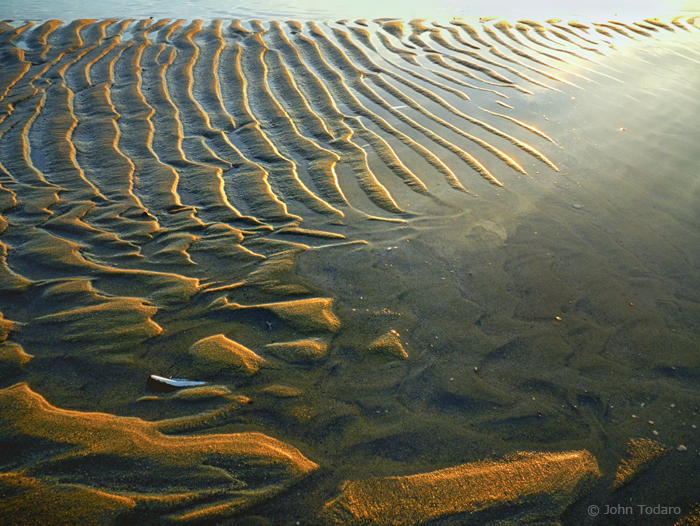
Northwest Harbor, East Hampton
Dreamscape
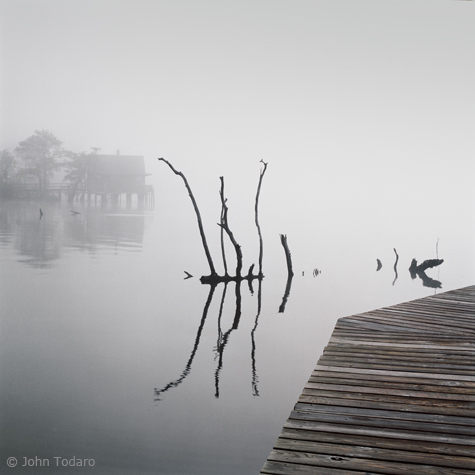
The picture was taken a few years ago on a swampy riverbank in North Carolina. The branches are from Baldcypress. Among the pictures I’ve taken with a normal lens, this one’s a personal favorite.
Hasselblad 503 CX – 80mm Planar – drum scan from color negative
Landscape in Shallow Water
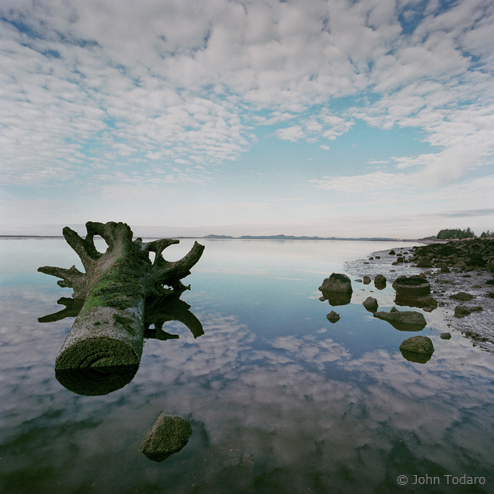
The photograph is from the Columbia River in Oregon, just a few miles from where Lewis and Clark completed their mission. The apparent illusion here was natural. The log and rocks were simply resting on the river bottom in water that gave new meaning to the word “glassy”.
Hasselblad 903 SWC – drum scan from color negative
Art in the New Year at Ashawagh Hall
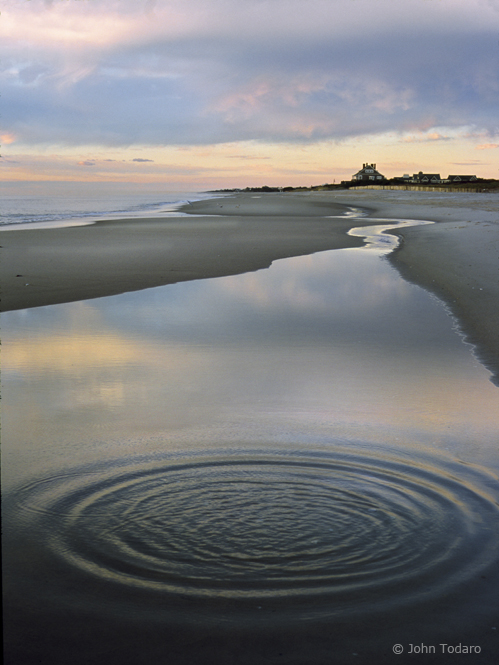
Killcare is a home I’ve photographed many times. This one was from two years ago, and I’ll printing it for my upcoming show at Ashawagh Hall in East Hampton.
The show will take place on Martin Luther King weekend (Jan 19-21), and the hours on Saturday and Sunday are from 10 to 8 and on Monday from 10 to 4. There will be a reception on Saturday January 19th from 5pm until 8pm. I’ll be showing many of my new black and whites along with other landscapes and recent work.
Our show announcement:
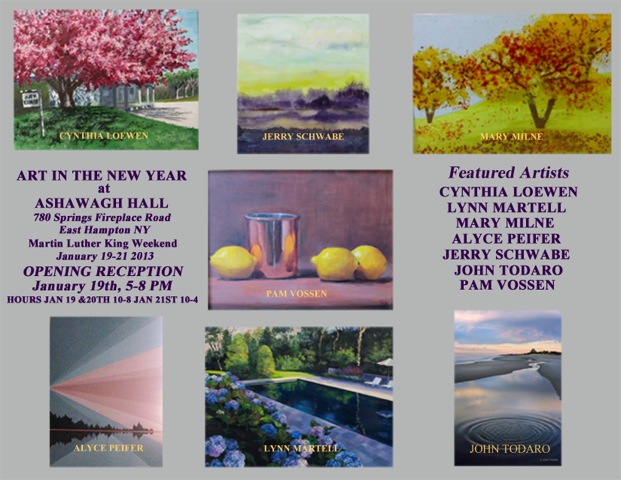
In addition to myself, the show features the work of painters Cynthia Loewen, Lynn Martell, Alyce Peifer, Jerry Schwabe and Pam Vossen. Mary Milne will also be showing her wonderful fusion glass.
Everyone has new work for the show and all have displayed extensively in the area, including at Guild Hall, the Crazy Monkey Gallery, Chrysallis and elsewhere.
Cynthia Loewen is a realist painter (and stipple artist) from East Hampton and the founder of the very publicized Community Arts Project in Springs. She will be showing many recent oils and also some drawings and portraits.
Lynn Martell is a gifted watercolorist and oil painter who studied at the Art Students League in Manhattan and who has displayed extensively in East Hampton and in Greenport. She will have many new pieces at the show.
Alyce Peifer has displayed in juried shows throughout Long Island and in NYC. She will be showing a number of new landscapes and seascapes which reflect the many lovely aspects of our local light.
Jerry Schwabe works in various media including sculpture, oils, acrylics and watercolors. He studied at the National Academy of Fine Arts and also at the Art Students League. His award-winning work has been displayed at many solo shows in East Hampton.
Pam Vossen studied at the Art League of Long Island, and has shown at BJ Spoke, Chrysallis and Guild Hall. Recently she has been producing beautiful oil landscapes, along with still lifes and pastel portraits. She’ll have lots of new work at the show.
Mary works in spectacular multilayered fusion glass and studied at Pratt, Urban Glass and also at The New York School For Interior Design. Her work is decorative and sculptural and demonstrates her sensitive handling of colors.
Ashawagh Hall is located at 780 Springs-Fireplace Road in the historic area of Springs. From the hall, it’s just a short walk to Accabonac Harbor, The Springs General Store and the Pollock-Krasner House. Email me if you have any further questions about the show or if you need assistance with directions.
Note: The upcoming January show was rescheduled to its current date after hurricane Sandy. Comments from my original October post are logged below.
•
By the way, the original post for Killcare (with details about that water ripple) can be read here:
https://johntodaro.wordpress.com/2010/11/22/wainscott-photographs-the-house-on-the-beach/
Tidal Tapestry
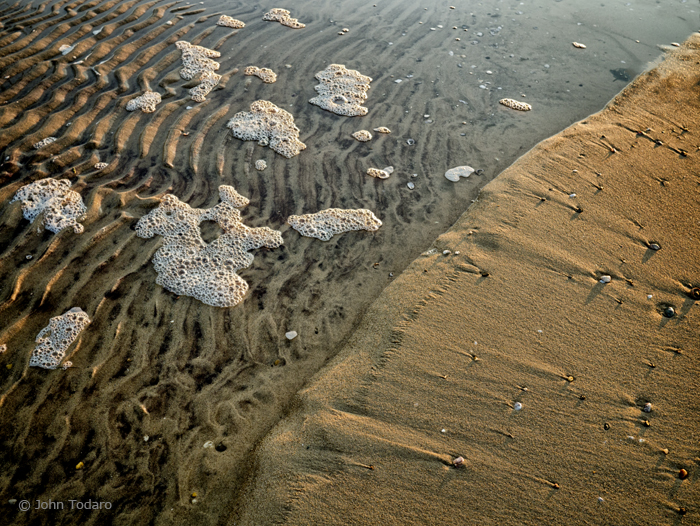
Tide Flats – Mile Hill Road beach – December 18
Panasonic G3 – 20mm
Shore
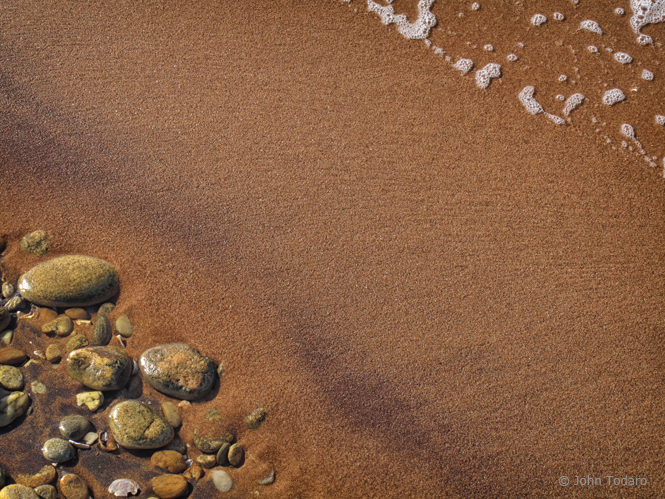
The view at my feet, on the untrammeled shore of Napeague Harbor.
Canon G 10
Dock
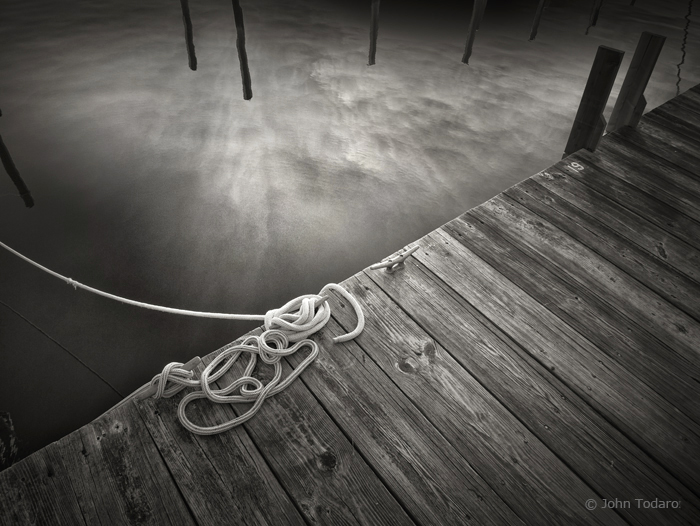
A dock, a rope, and some sailor’s knots.
Marine Park, Sag Harbor
Panasonic G3 – 14mm – wide converter – vignetted in Silver Efex
Slipper Shells in Sepia
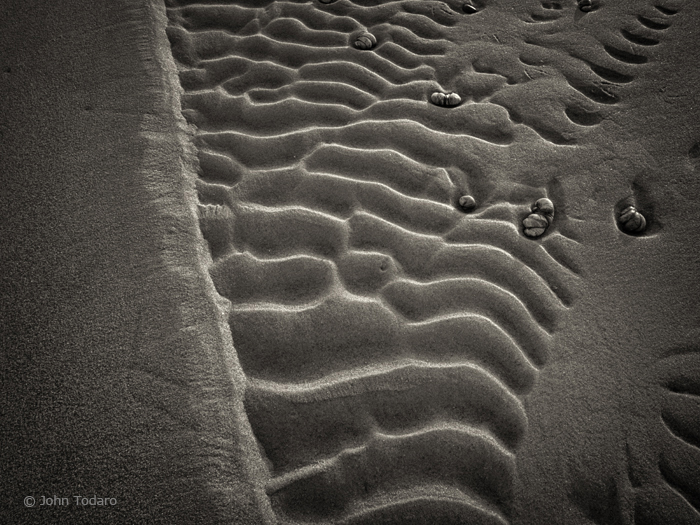
Another new close-up–this time from tidal flats on the bay side.
Panasonic G3 – 14mm
Storm Stairs
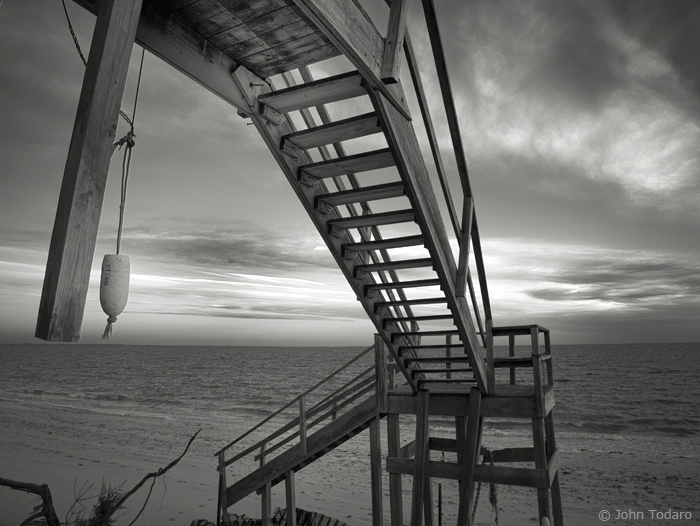
Sandy left us many examples of dangling stairs–this one clinging to high eroded bluffs. One is tempted to call them “stairways to heaven”.
December 13 – 7am
Panasonic G3 – 14mm – wide converter
Clam
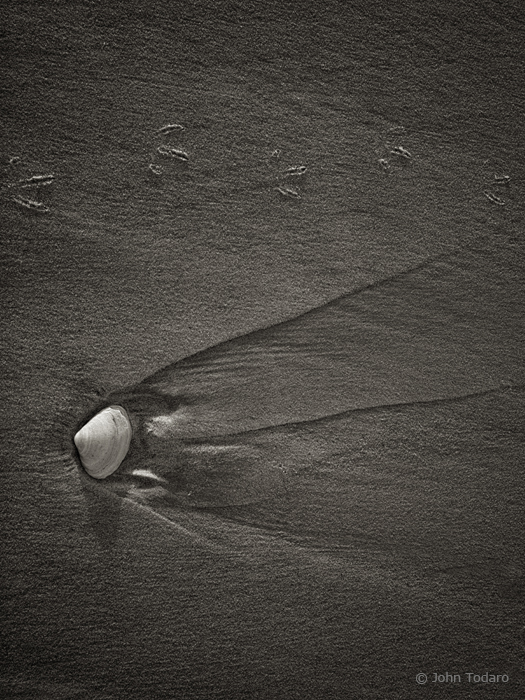
A new image of a clam and gull tracks written across the early morning sand in East Hampton.
Panasonic GF2 – 14mm
Mud Cracks – Capitol Reef National Park
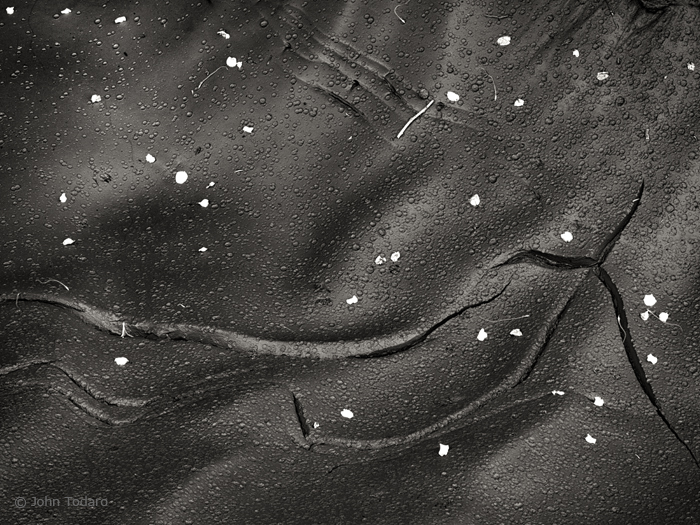
Panasonic GF2 – Olympus 45mm – August 2012
Traveling Light
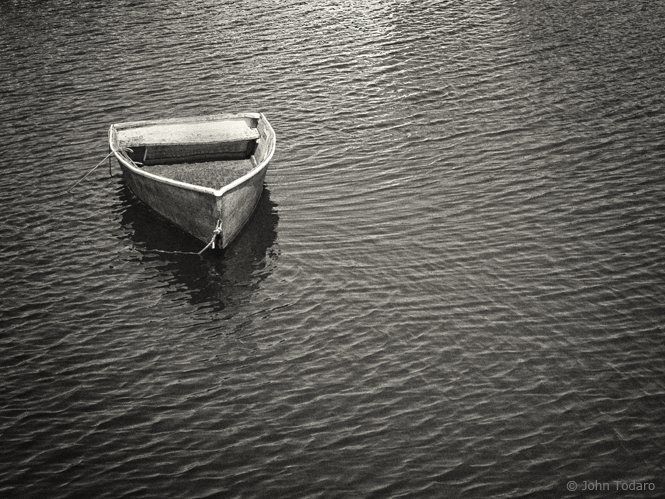
I’ve borrowed a title from the Billie Holiday songbook here, a double entendre of sorts, at least with respect to this picture. Billie’s tune is a classic, but I’m partial to the less well-known Chet Baker cover, released many years ago on his Baker’s Holiday LP (1965). Have a listen, and enjoy the very lovely and well-suited footage:
http://www.youtube.com/watch?v=E41o0RFbriA
Panasonic GF2 – Olympus 45mm
White Sands Road End
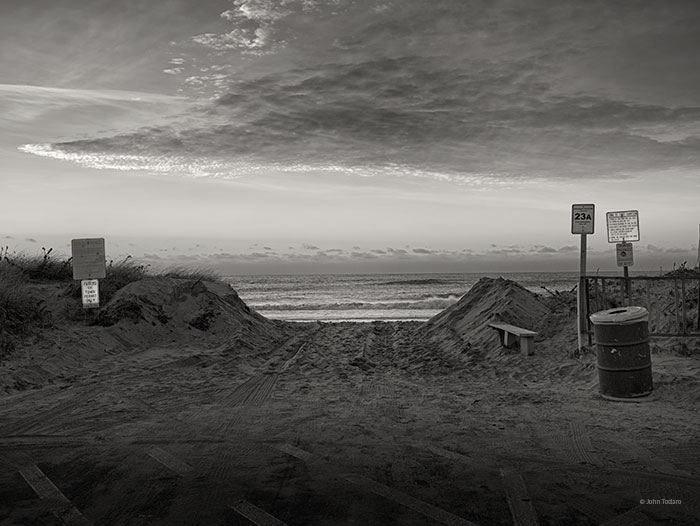
Napeague / Amagansett NY
Bend in the Road – Lazy Point
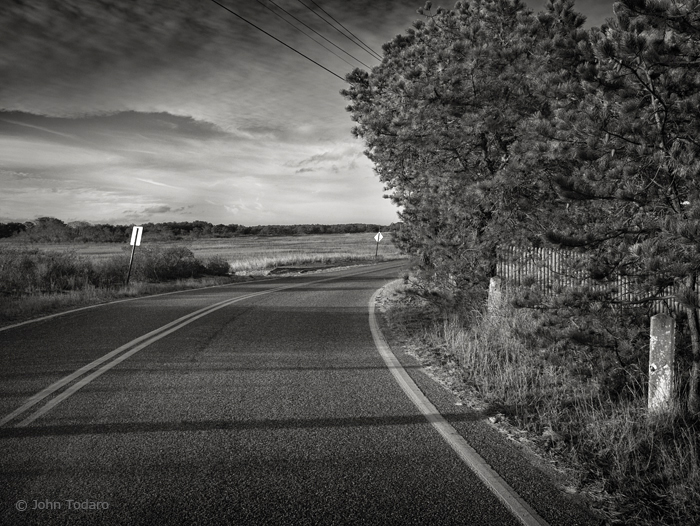
November 20 – Panasonic G 3 – 20mm
Sea Foam – Georgica Beach
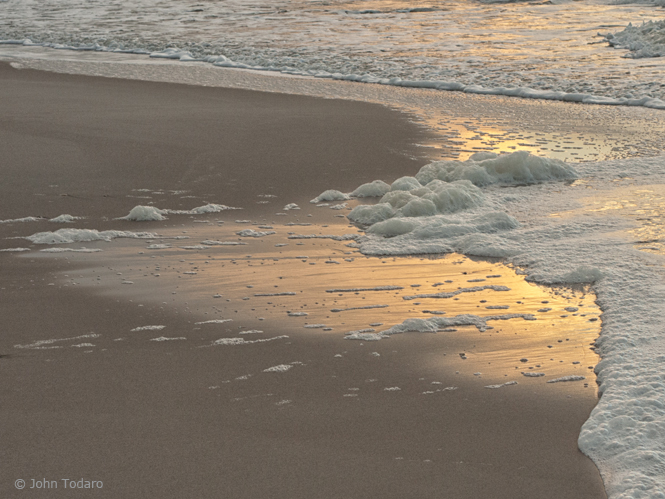
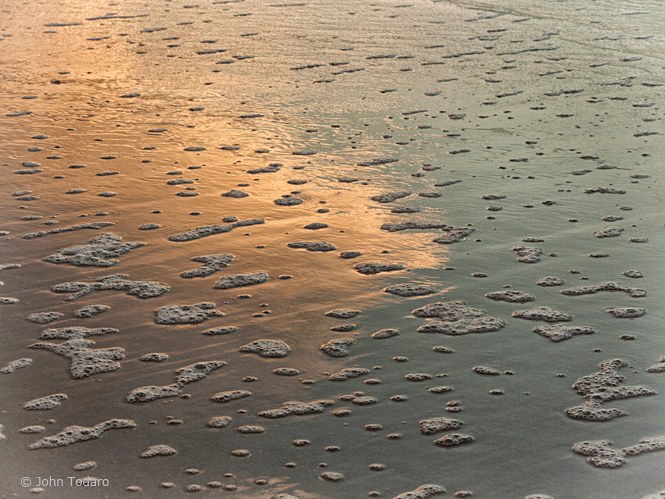
Panasonic GF2 – Olympus 45mm
Gulls and Clouds – Georgica Pond
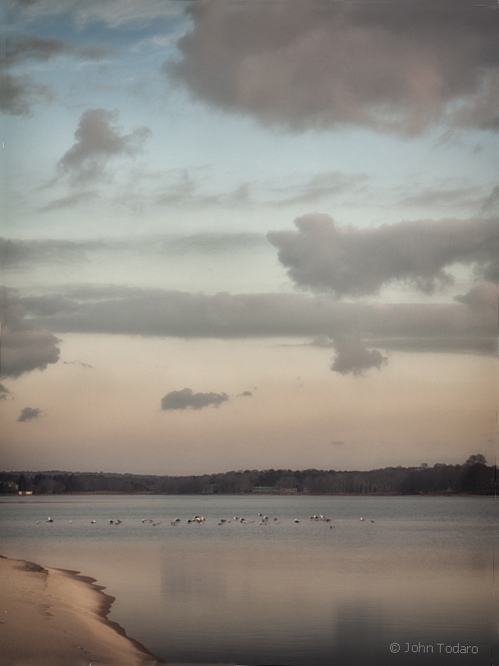
Panasonic GF2 – Olympus 45mm
Clouds, Gardiners Bay II
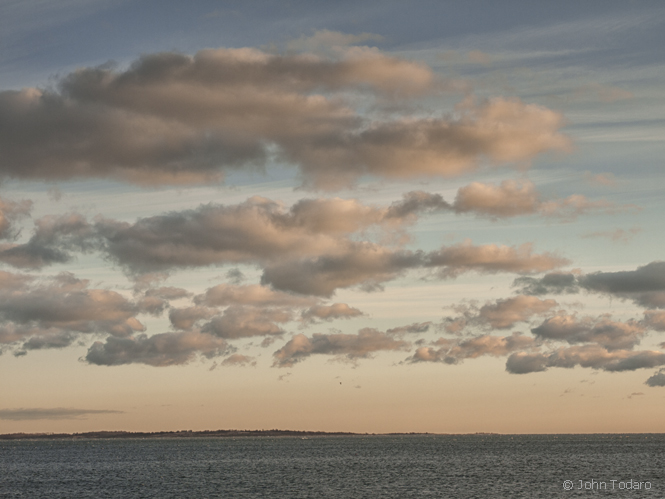
From Louse Point, Springs
Street Show
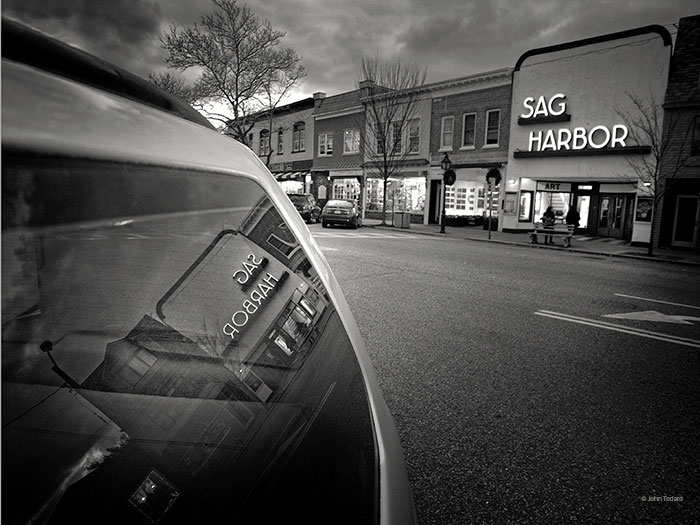
Art Barge Dune
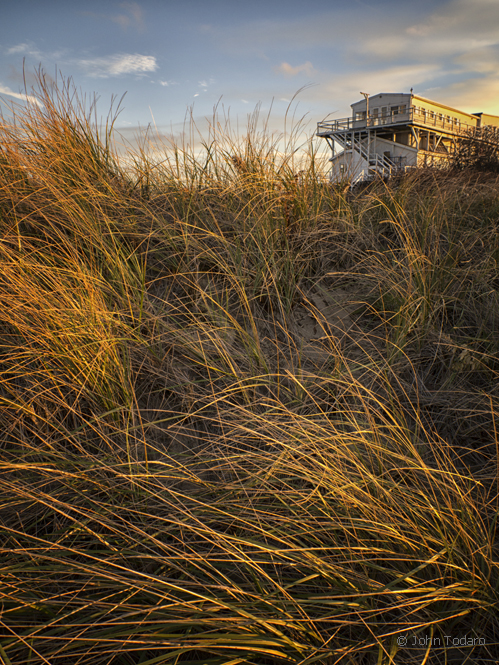
A vertical picture from earlier this week at The Art Barge. The building is located on the south end of Napeague Harbor, in Amagansett.
Panasonic G3 – 14mm -wide converter
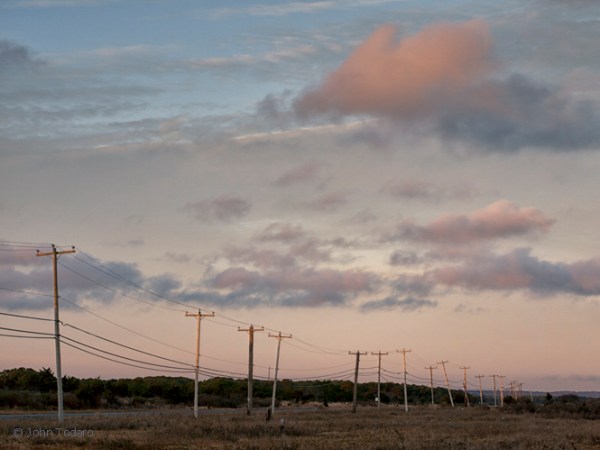
Predawn, Napeague Meadow Road
The Art Barge: November Wide View
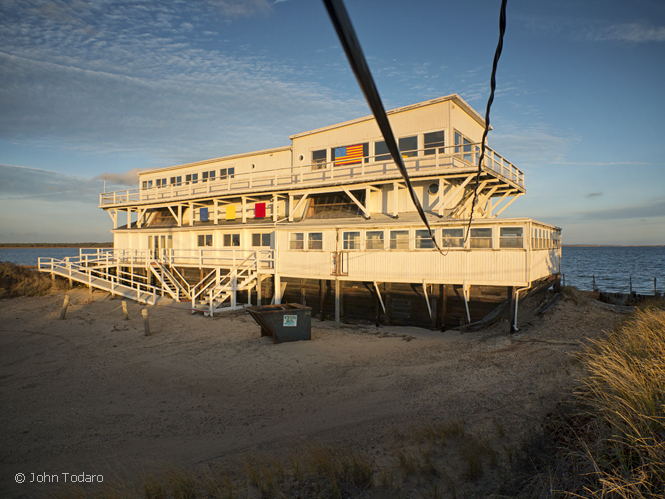
This was the view in Napeague this morning with the wide converter put to work on The Art Barge. During the high season, the structure serves as home for the Victor D’Amico Institute of Art where there there is full menu of art classes. D’Amico was the founding director of education at the Museum of Modern Art, and the Art Barge was originally a Navy barge–brought to this location in 1960.
A link to the Institute, with more on its history:
Old Paint
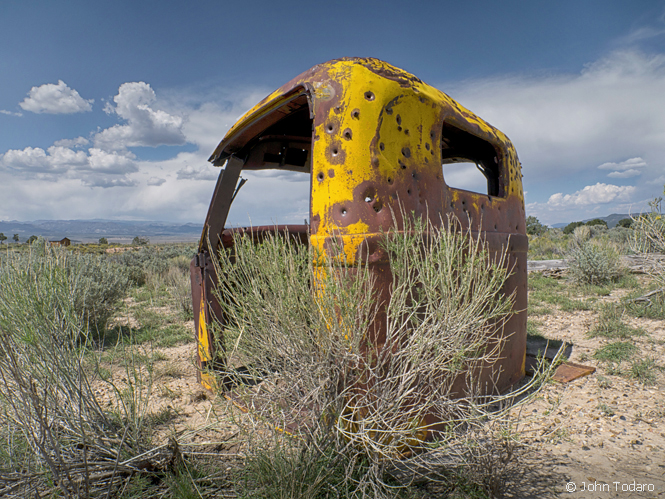
After taking a break for a month, I have a few more from last summer’s trip.
Panasonic G3 – 14mm – wide converter
Utah – August 2012
Viginti Septem
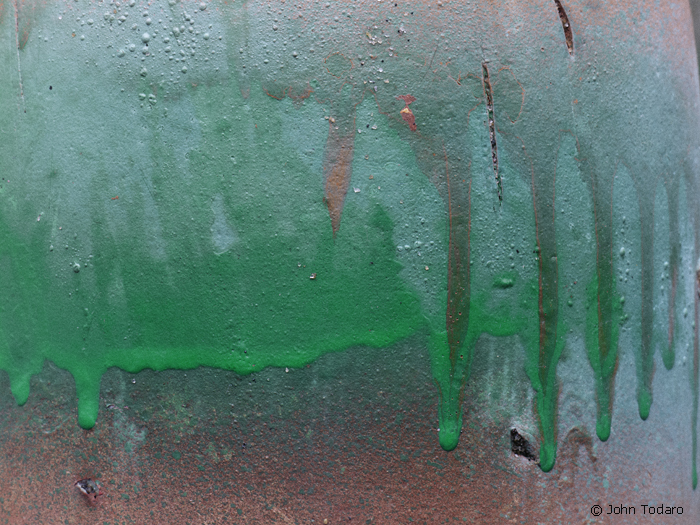
Two weeks ago I published 26 close-up images of buoys which I photographed in the days following Hurricane Sandy. This is the 27th picture, and the last of that series. You might recall that I numbered the buoys in Latin.
All these pictures are located in a new sidebar gallery entitled Flotsam. Joining them, are another three which I photographed last year and which previously resided in my Jazz gallery. The thirty pictures are assembled in a vertical line of thumbnails as if they’ve been tethered together on a rope. That suits them fine, since they are buoys after all.
Have a look:
https://johntodaro.wordpress.com/gallery-10-flotsam/
A sister gallery–Jazz, may be seen here:
https://johntodaro.wordpress.com/gallery-9-jazz/
And–if you missed the two posts with the story behind the project you can check out these links:
https://johntodaro.wordpress.com/2012/11/08/thoughts-about-hurricanes/
https://johntodaro.wordpress.com/2012/11/08/lost-buoys-dragged-from-flotsam/
Long Beach, Sag Harbor
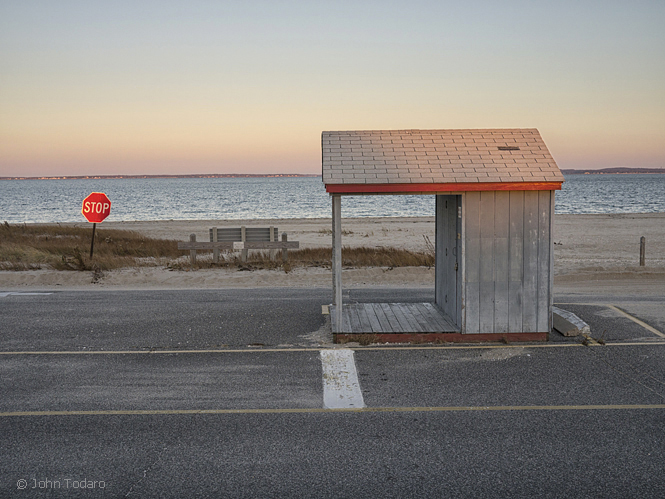
This begins a new series of cul de sacs, road ends and deserted public beaches–all subjects which are edgy by nature and which look better when no one’s “home” (my opinion).
Some of these pictures (such as this one), will go into a new sidebar gallery entitled Off Season. Others will be on display in Road Work, although clearly some pictures will have their feet in both categories. Here’s the link to the new gallery:
https://johntodaro.wordpress.com/gallery-13-off-season/
I live in a place where the off season is greater than the “on”, so there’s a large window of opportunity. There’s also lots of road ends here because we’ve got all sorts of ways to get to a beach.
This picture is from Long Beach in Sag Harbor–photographed earlier this morning with a normal lens (a focal length which lends itself to the subject for reasons I can’t quite explain).
Panasonic G3-20mm
Exit Keep Right
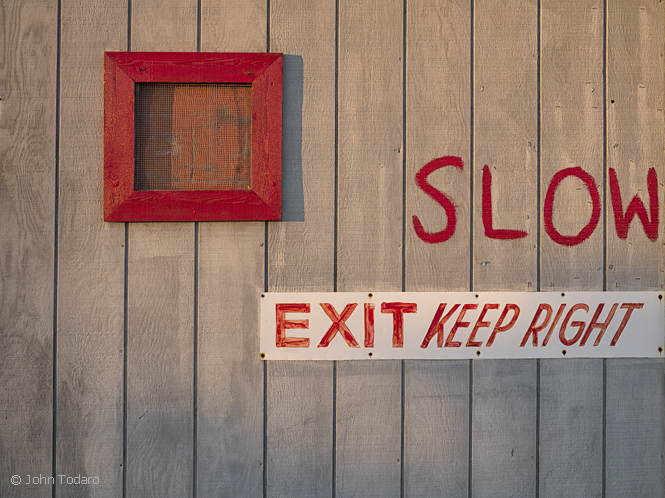
A closeup of the entrance kiosk at Long Beach in Sag Harbor–photographed this morning.
Panasonic G3-20mm
Window on a Cloudy Day
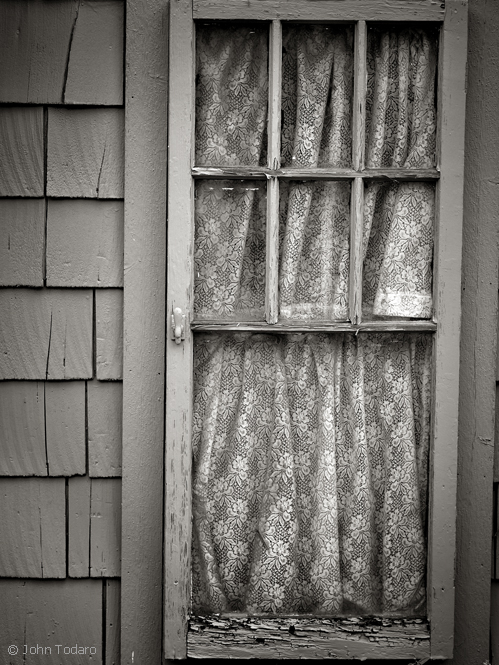
August 31 – Panasonic GF2 – Olympus M. Zuiko 45mm
After The Storm
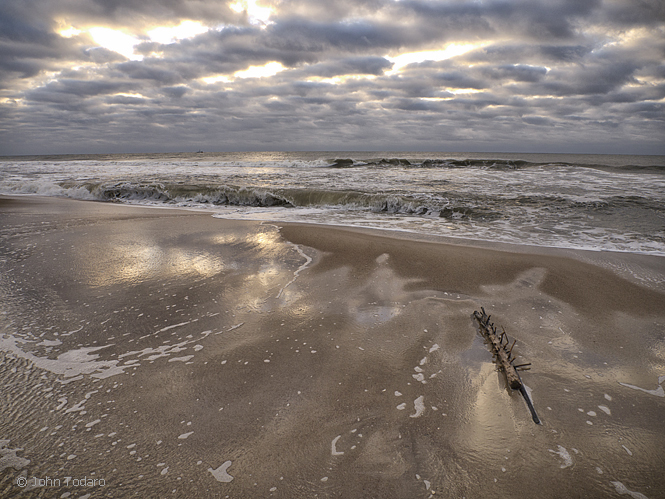
It’s been looking like this a lot lately, especially with an outgoing tide. We’ve had mercurial skies and rough water–as if the Atlantic hasn’t yet purged itself of the hurricane. We’ve also got an unusually wide sandbar with lots of driftwood littering the beach. I’ve been assuming this was created by all the sand which was washed off the dunes during the storm.
The ocean looks pretty nice, but the dunes are looking disheveled.
7am today – Panasonic G3 – 14mm – wide converter
Lover’s Quarrel (monochrome)
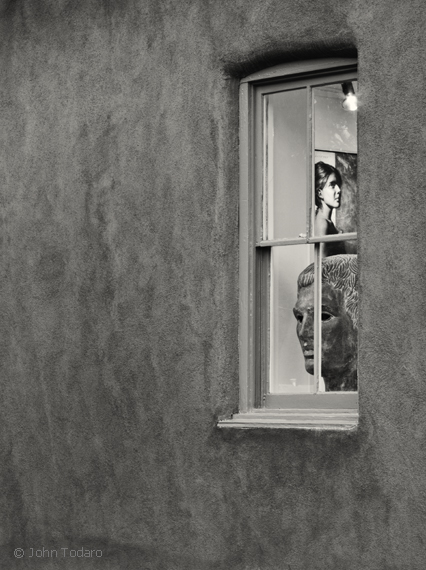
This is a photograph from Santa Fe which I recently began printing in black and white. In the earlier color version (link below), I was hearing too much of a “southwestern accent”…adobe walls…turquoise trim.
Perhaps the point of the picture was getting a little drowned out by color.
Canon G 10/August 2011
https://johntodaro.wordpress.com/2011/09/26/lovers-quarrel/lovers-quarrel-2/
 JOHN TODARO