
Asteraceae
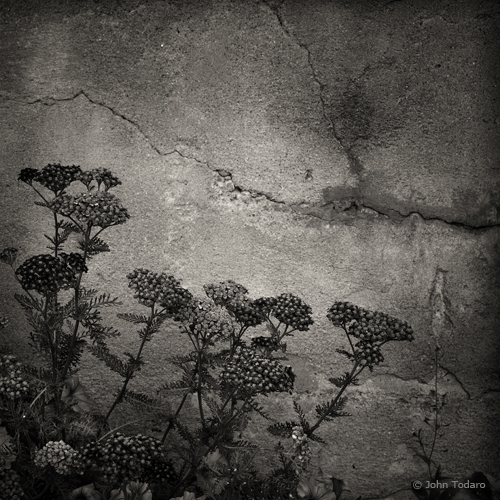
Delicate Decay
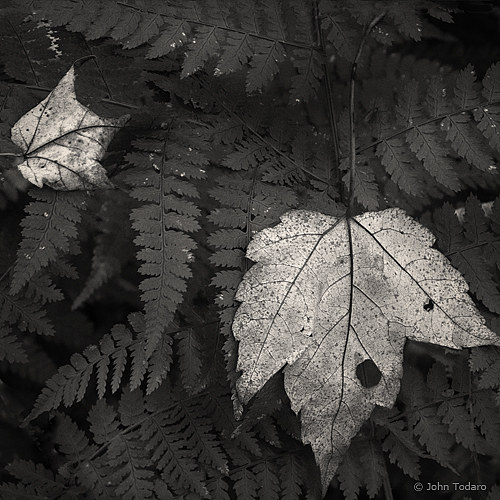
Folds
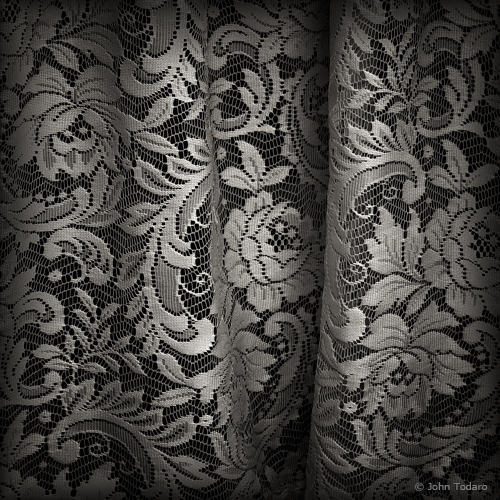
Boat Rope
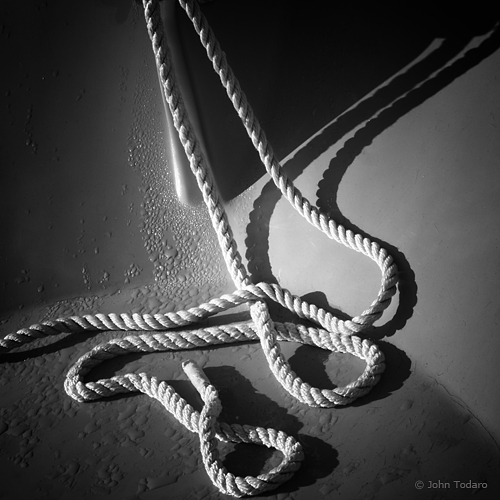
Black and White Galleries
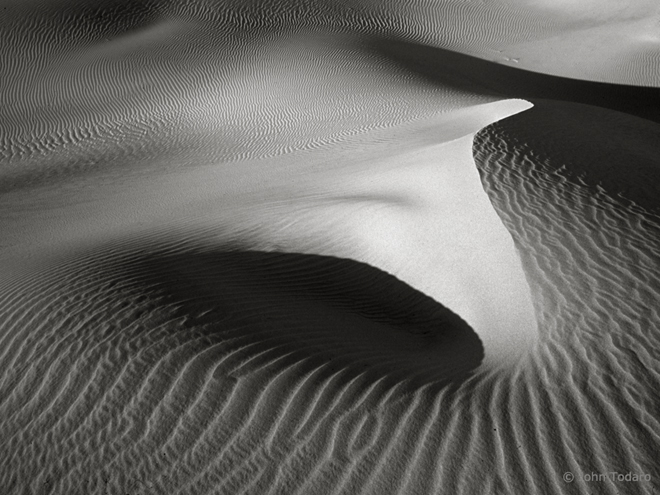
Over the last few days I set up a suite of fifteen black and white galleries, a collection which includes much of my recent work. Like so many tasks, this was long overdue and involved more coffee than usual. There’s a bit more to go and I’ll be adding/subtracting images regularly. Color is next in line.
If you’re on a computer you should find the links just to the right on the sidebar. On a phone or iPad, you may have to scroll to the bottom of my recent posts. If you have some time, please enjoy a stroll.
Dune Detail • Death Valley National Park
Fences in Fall
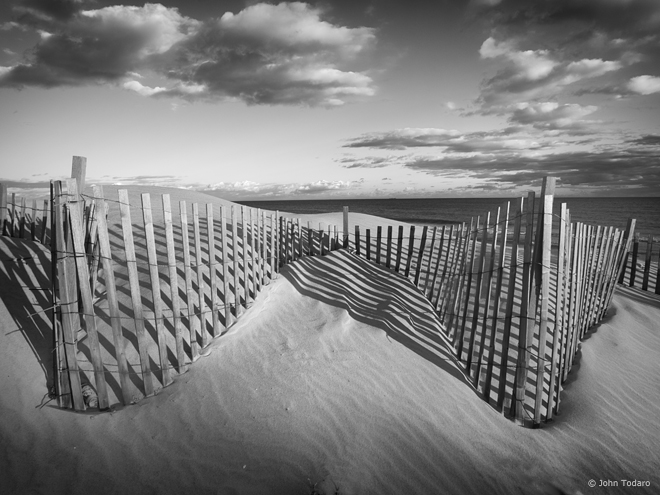
Bay Clouds
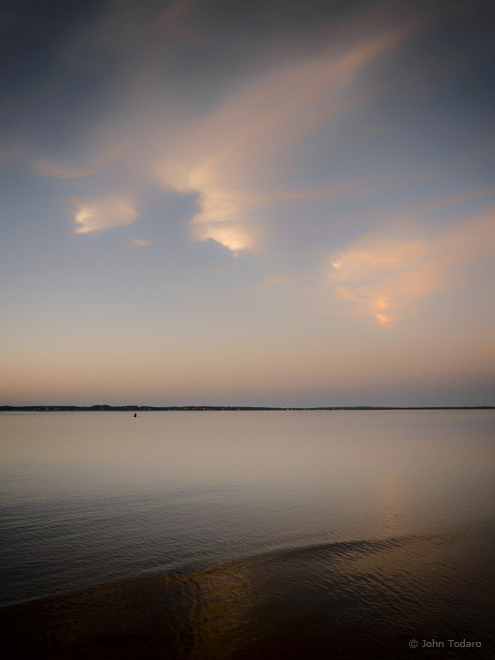
3 September • Hampton Bays NY
Five For Fall • Ashawagh Hall November 8th and 9th
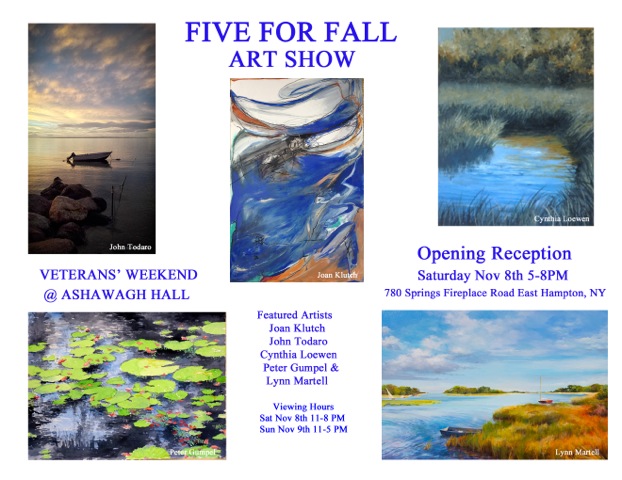
Next weekend I’ve been invited by my friend Lynn Martell to a wonderful show she’s putting together here at Ashawagh Hall in East Hampton: Five For Fall.
In addition to my work, the show will feature the work of four painters whose work range from realism to abstract reductions and collage assemblies. Show times will run from 11am – 8pm Saturday November 8th, and from 11 am – 5pm Sunday November 9th. There will be a cocktail reception Saturday, November 8th from 5 – 8pm. Ashawagh Hall is located at 780 Springs-Fireplace Road in East Hampton and is walking distance from the Springs General Store and the Pollock-Krasner House.
I’ve assembled a new group of black and whites for this show, along several of my recent semi-abstractions from the cranberry bog. I’ll also have a group of miniatures and new color pieces including the one shown above on our invitation.
Some details about the painters:
Lynn Martell is a gifted oil painter and watercolorist whose body of work highlights luminescence and contrast in the East End landscape during the four seasons. She studied at the Art Student’s League in Manhattan and has showed her work extensively here on the East End. Lynn will be showing a new group of seascapes and garden paintings.
Joan Furia Klutch is a member of the American Watercolor Society and is a painter in several mediums and a printmaker who has won awards in in national juried competitions. Her paintings reflect an expressionist palette abstracting nature’s shapes, colors and lines. She was a scholarship student at the National Academy of Design, Pratt Graphics Center, the Art Students League, and Received her BFA from LIU Southampton.
Cynthia Loewen is a well respected realist painter who works in watercolor and vibrant acrylics specializing in landscapes and seascapes. She’s displayed at many shows here in East Hampton and will be participating in Arthamptons International Art Festival in 2015. Cynthia is also represented by three galleries in Pennsylvania.
Born in London, Peter Gumpel, studied architecture at Pratt and at the Harvard Graduate School of Design. His work has been shown in New York, Philadelphia and here on eastern Long Island. He is a figurative watercolorist using factual rendition as a stimulus to create images that capture the essence of the scene or figure.
If you have questions about the show please send me an email at the contact link.
September Beach Road
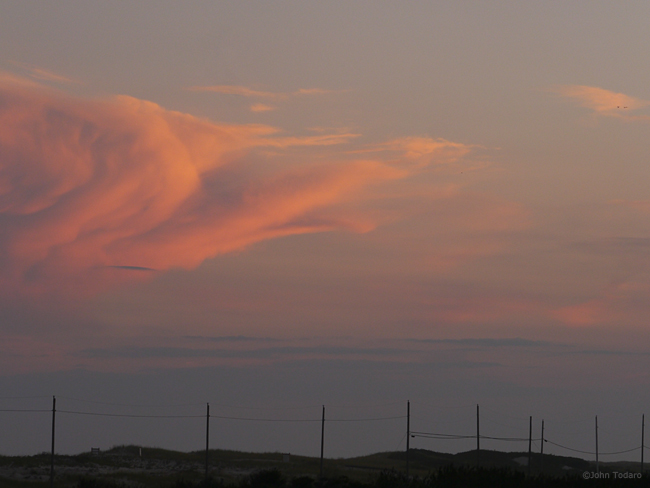
1 September • Hampton Bays NY
Red Back Door
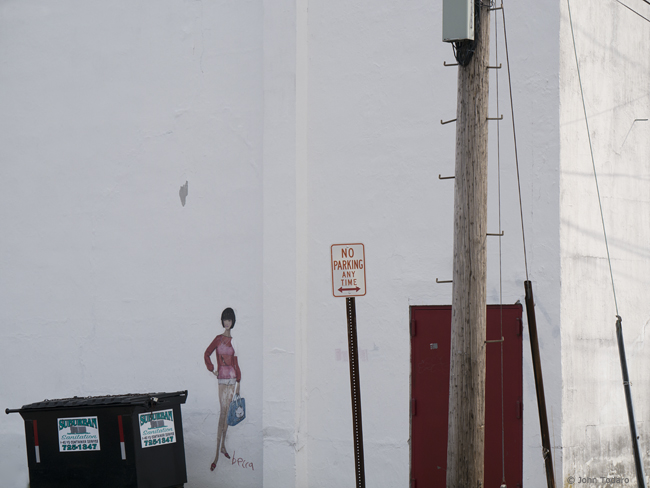
August 2014 • Sag Harbor NY
Big Duck Monochrome
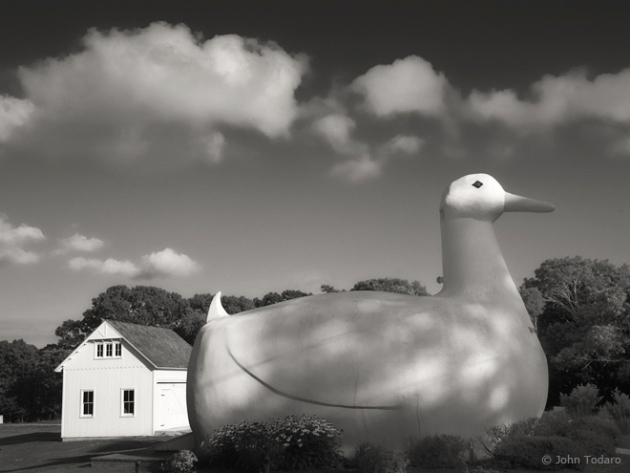
Flanders NY
Ocean From Mecox
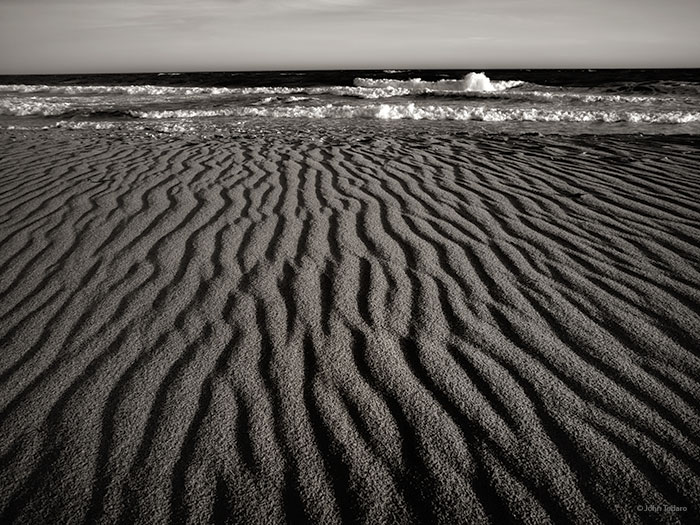
Fuzzy Dice
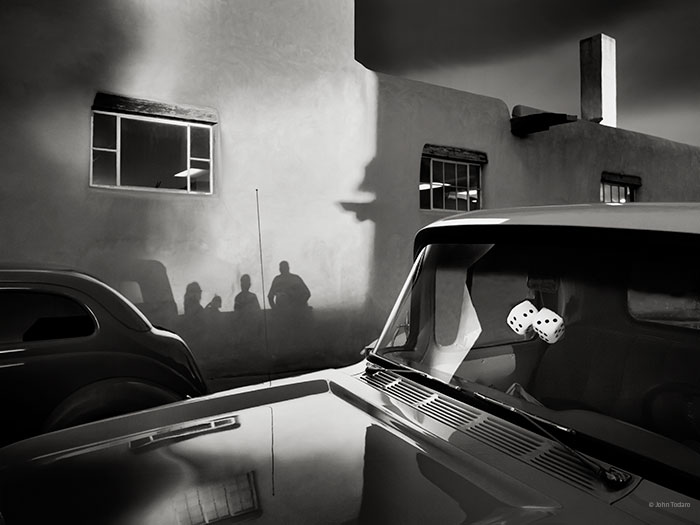
2011 Car Show, Taos NM
Pieces of Sun
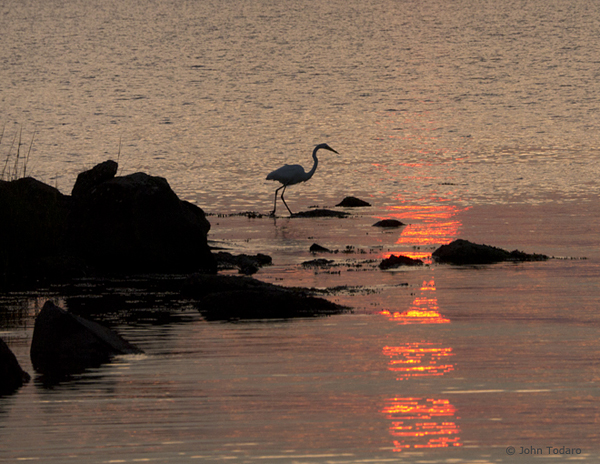
25 August East Hampton • American Egret
Diversion Ditch
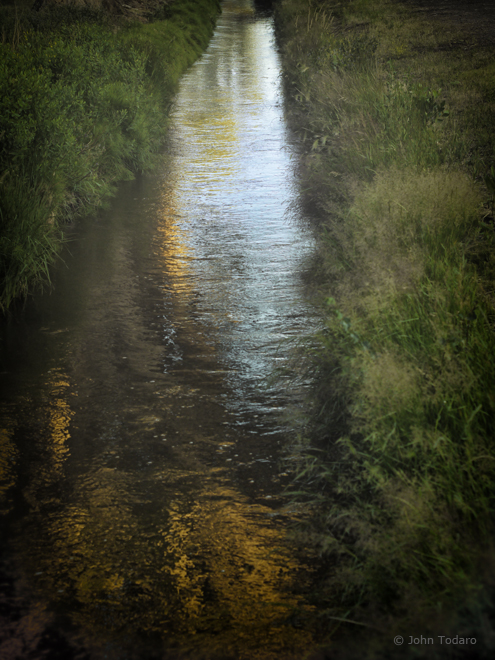
Torrey UT July 2014
House in Maine
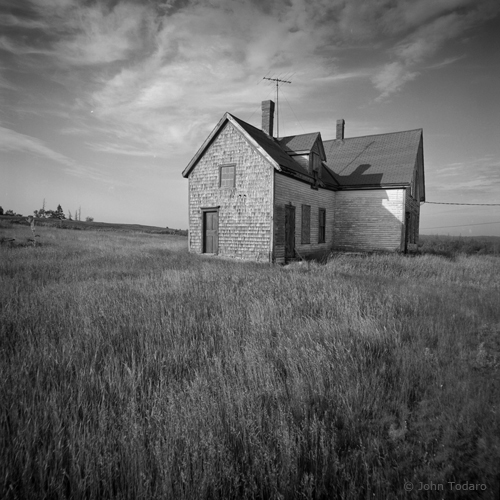
1999 Hasselblad 503CX 80mm Planar
Color neg scanned this week – Epson V 700
Paddlescape
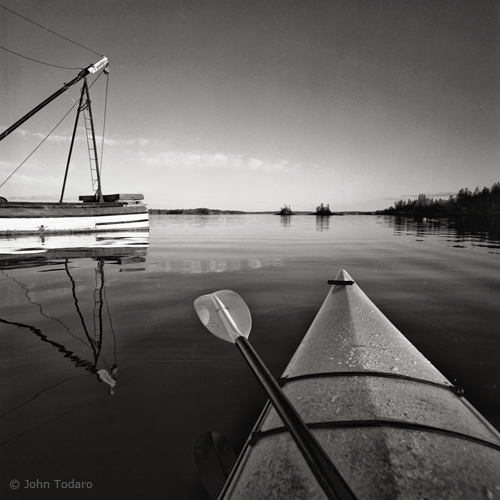
Northern Maine 1999
Hasselblad 903SWC
Color negative scanned a few days ago with the Epson V 700
Town Pond Egret
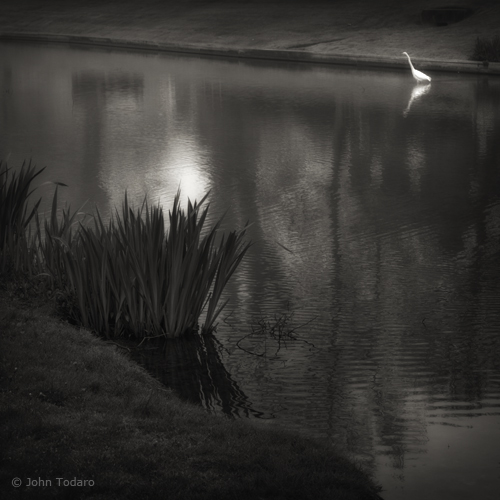
Town Pond, East Hampton
East Wind
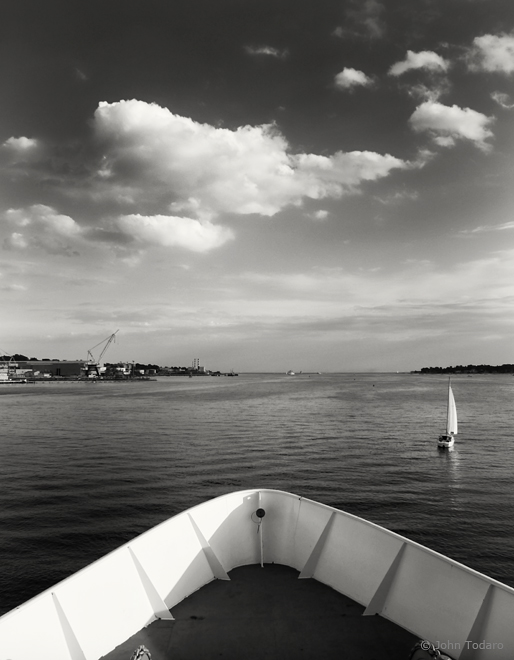
Thames River, New London CT
Fallen Pine
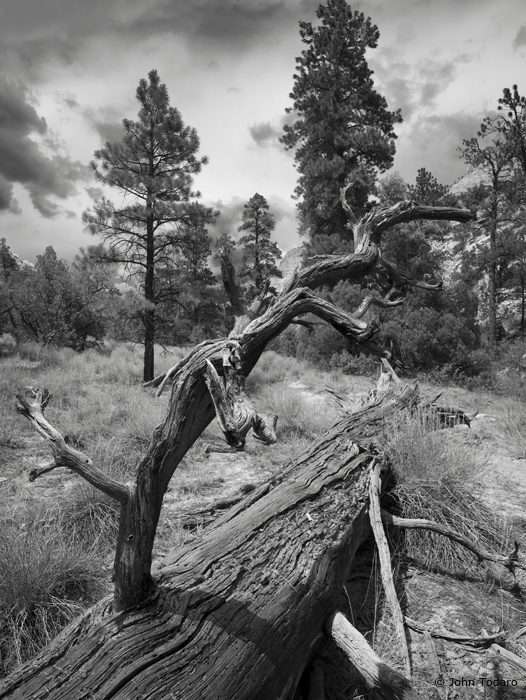
14 July • Box Death Hollow Wilderness Area, Fishlake National Forest
Shedding Light
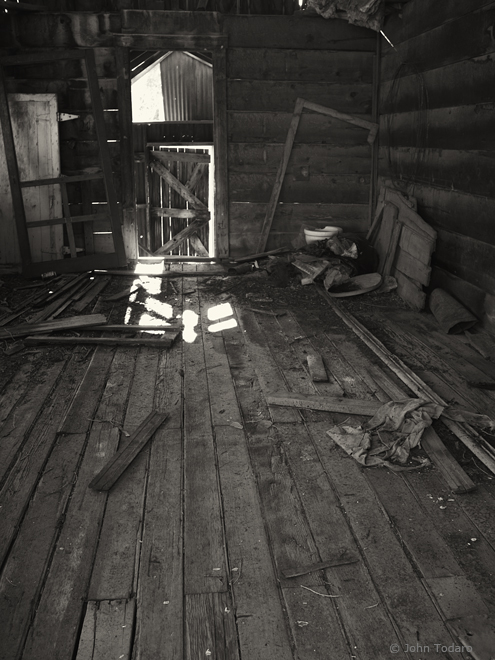
17 July • Thompson Springs UT
Flowers by a Window
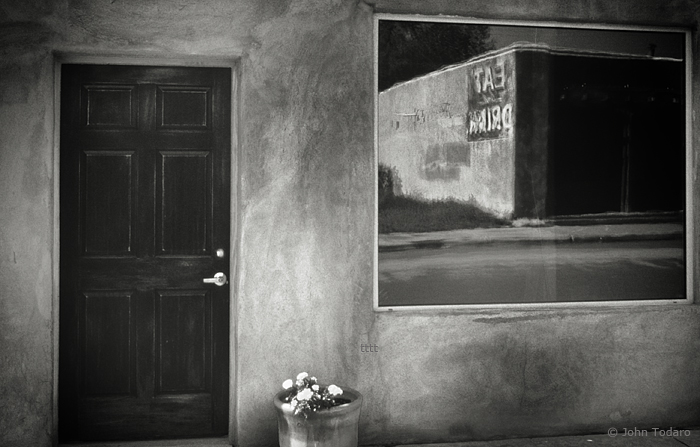
West Texas
Provia F transparency (2006) scanned yesterday Epson V 700
click for larger/sharper image
Canyon Clouds
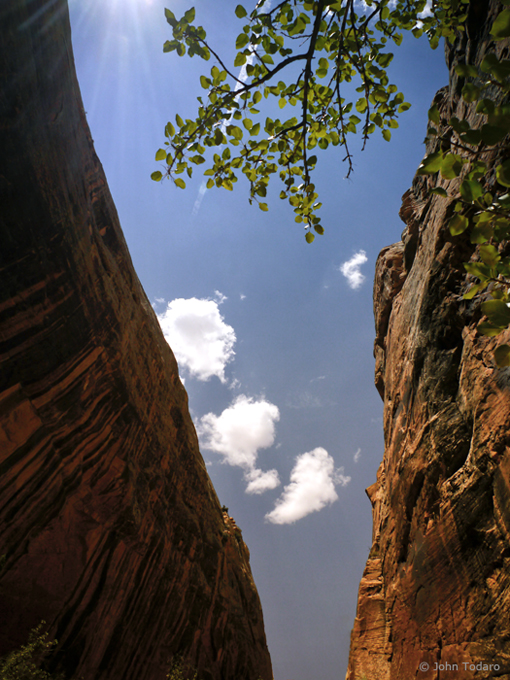
My apologies if you’ve seen this one already, I inadvertently deleted it.
16 July • Capitol Reef National Park
Grand Wash
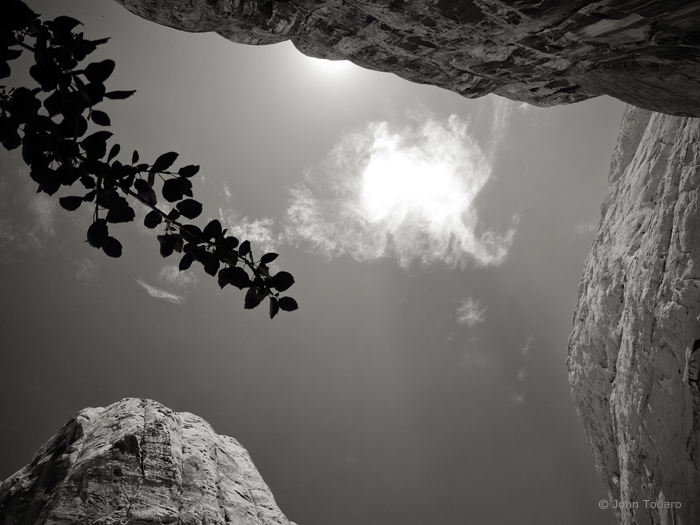
16 July • Capitol Reef National Park
click for larger/sharper version
Route 6 Bypass
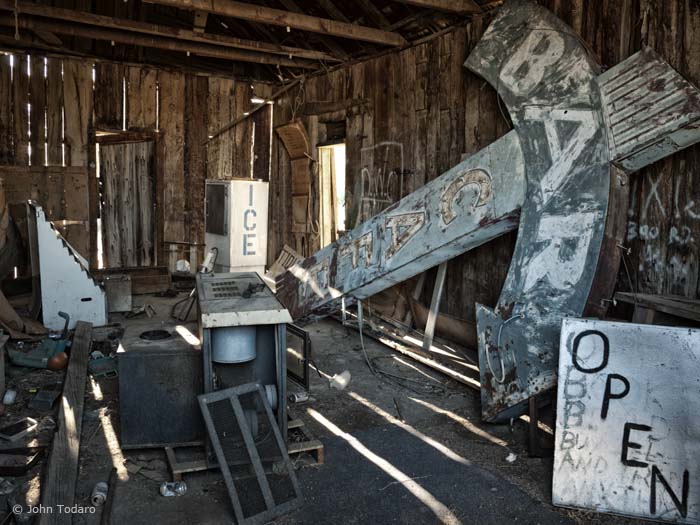
17 July
click for sharper version
Creek in High Contrast
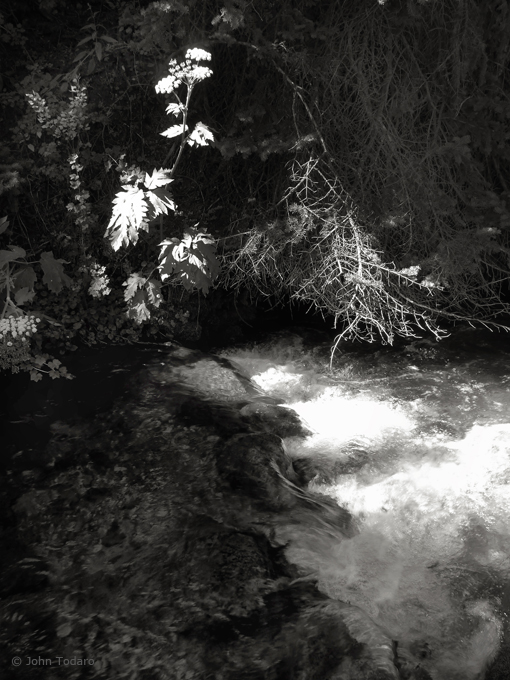
21 July • Cache National Forest
click for sharper version
Cottonwood III
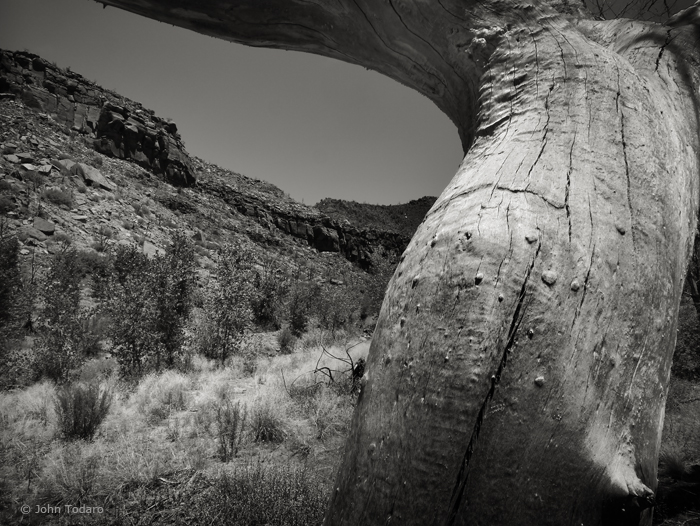
11 July Zion National Park
click for larger/sharper version
Alpine Landscape
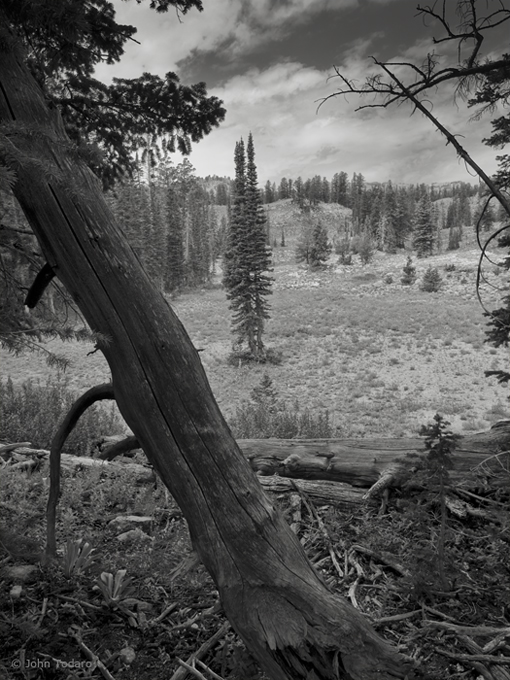
19 July Cache National Forest
Drive Inn
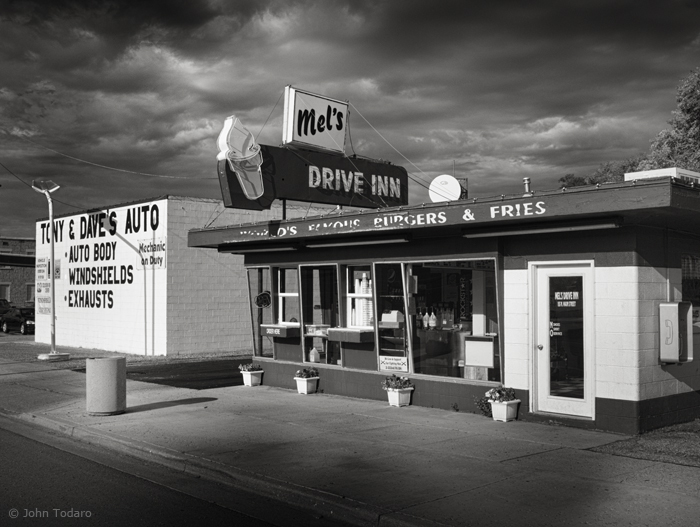
10 July Beaver UT
click for larger/sharper image
Cottonwood II
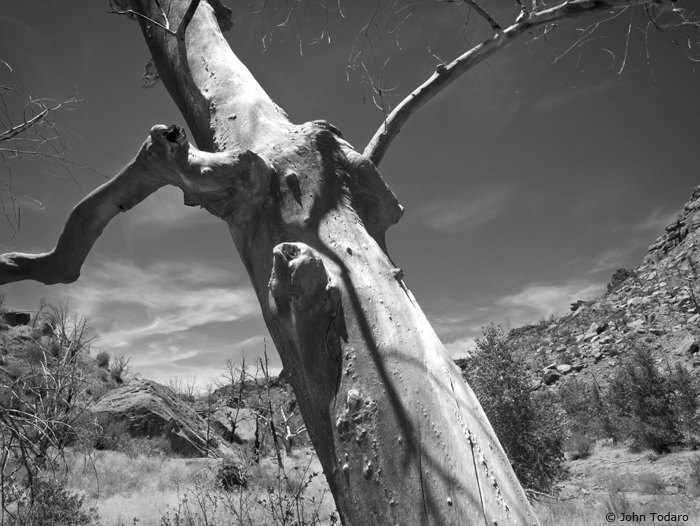
11 July Zion National Park
click for larger/sharper version
Cottonwood
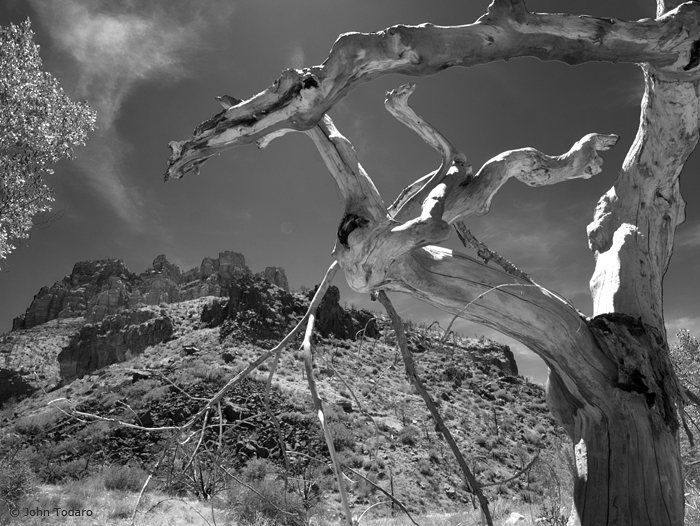
11 July Zion National Park
click for larger/sharper version
Logan Canyon
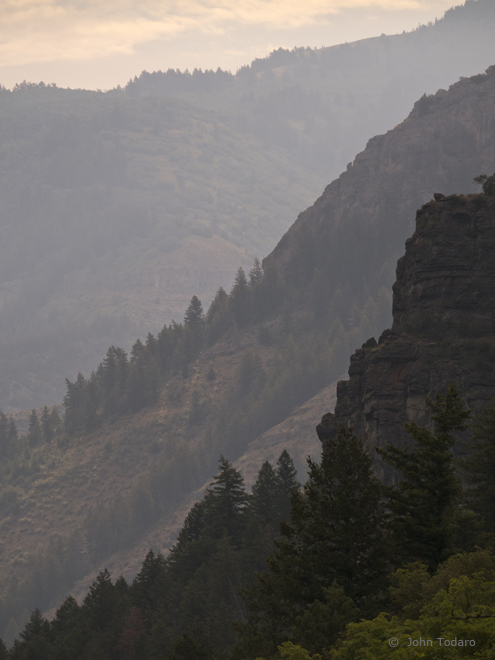
45mm-150 Lumix
19 July Cache National Forest
Left Standing
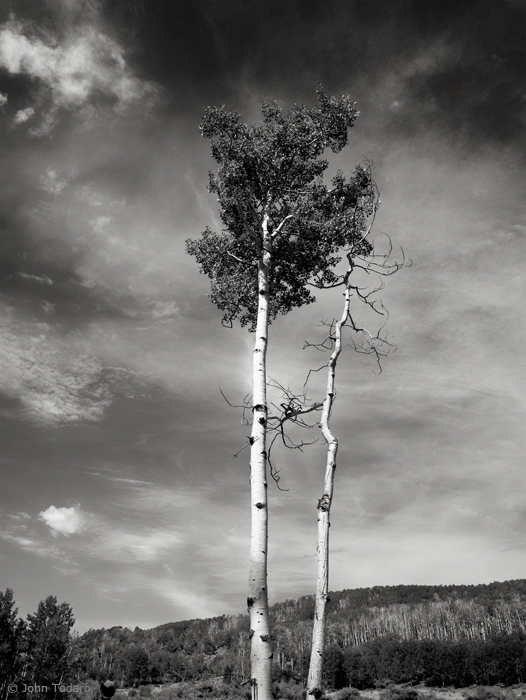
15 July Criss Lake Trail, Fishlake National Forest
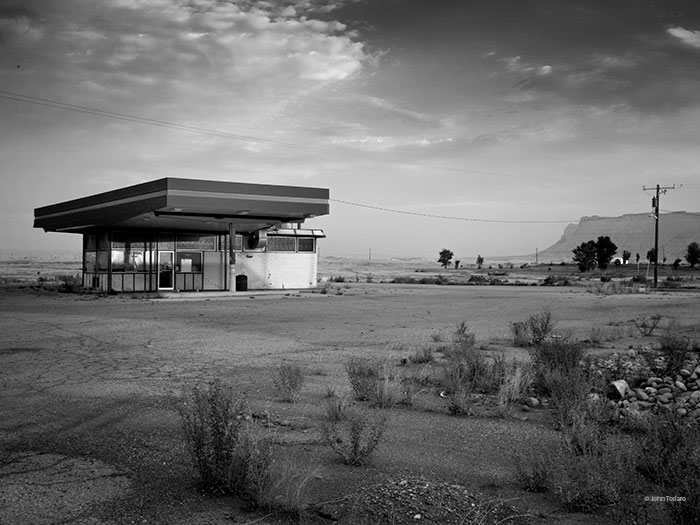
Abandoned Gas Station, Green River UT
Tin Roof Shadow

Franklin Idaho
Souvenirs
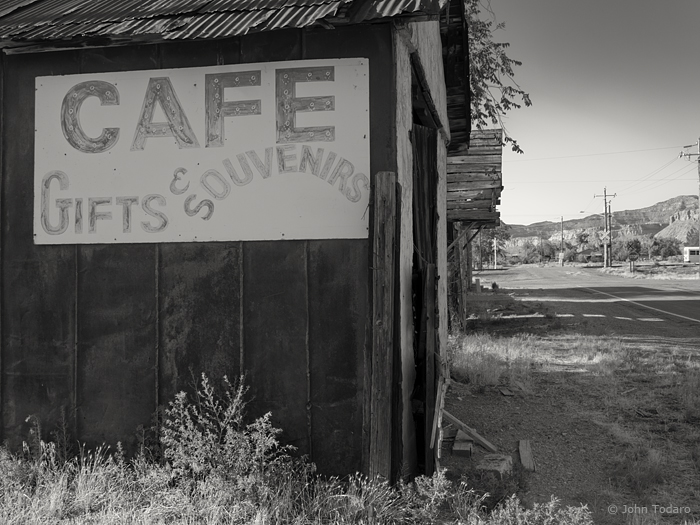
Whenever I’m shooting as much as I do on a trip, I think of my lenses something like musical instruments. Each has their own way of “playing” the scene, and each has their own sound.
The wide-angled music of the previous two images is replaced here with the more sedate feel of the normal focal length.
Thompson Springs UT
Click for larger/sharper version.
Frontage Road Landscape, Cedar City
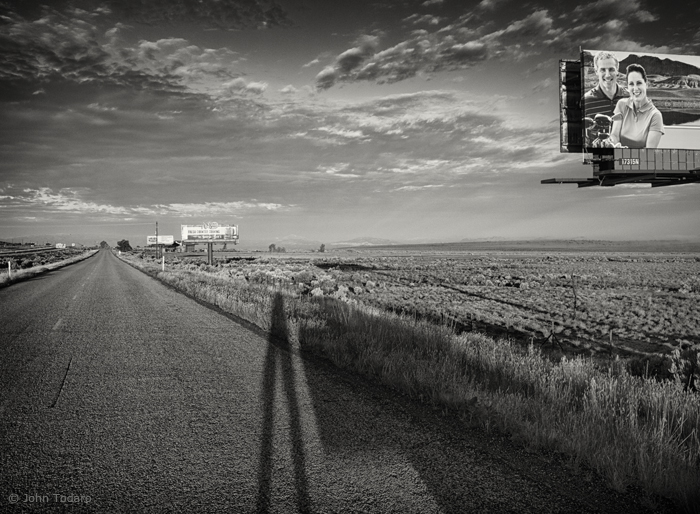
Photographed on the Interstate 15 access road near the abandoned service station.
Click for largest/sharpest image.
Abandoned Gas Station, Interstate 15
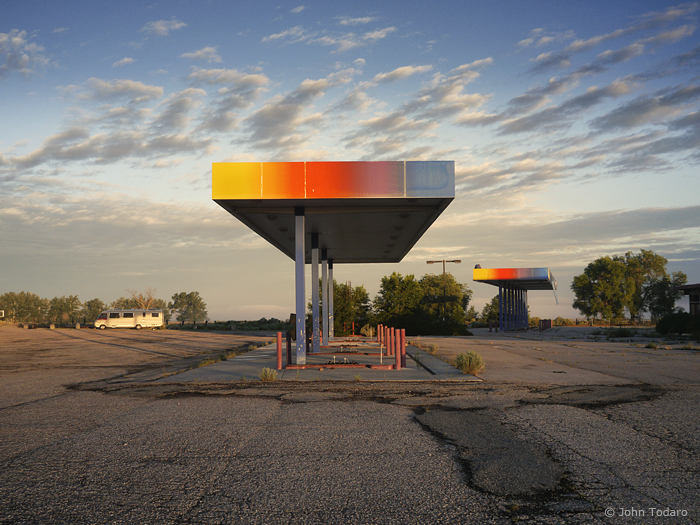
I’m back in town after a two week journey through Utah– an in-state trip which included forays into the Arizona Strip and Idaho. Evenings were spent in small-town motels or cabins, and days were spent hiking in National Parks or BLM and Forest Service areas. I have no anxiety about what to photograph or what to avoid. It’s all fair game. With some luck, my pictures will reflect my experience.
I should mention that I spent a soggy night camping in Kodachrome Basin State Park. As most of you know, the film is now history. Happily, this wonderfully-named State Park is still available.
Anyway, the goal over the next few months is to post the pictures. I’ll be loading ’em up “one-a-day” and hopefully they’ll go down like a good box of vitamins.
Click for largest/sharpest image.
Cemetery Fence
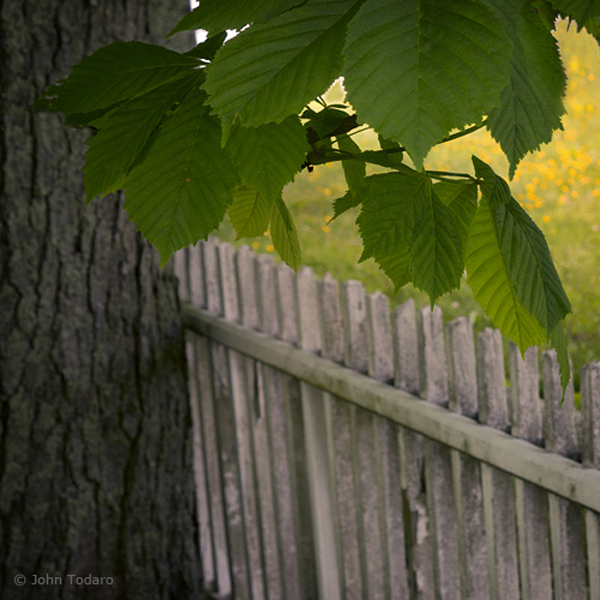
23 May
Bridgehampton
New Pictures of Old Tires
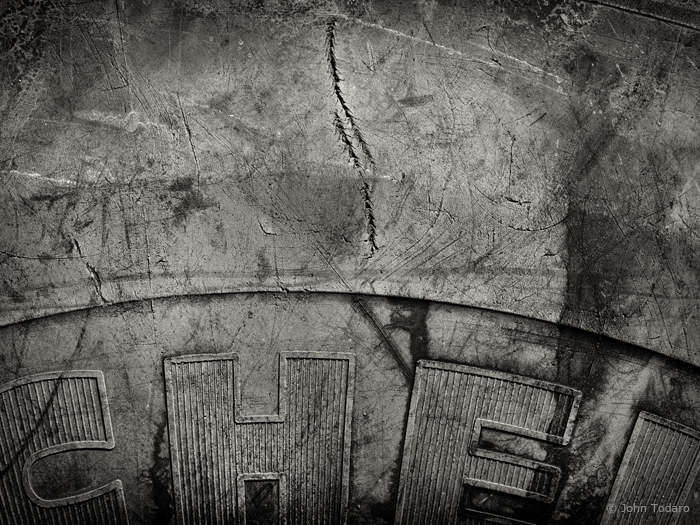
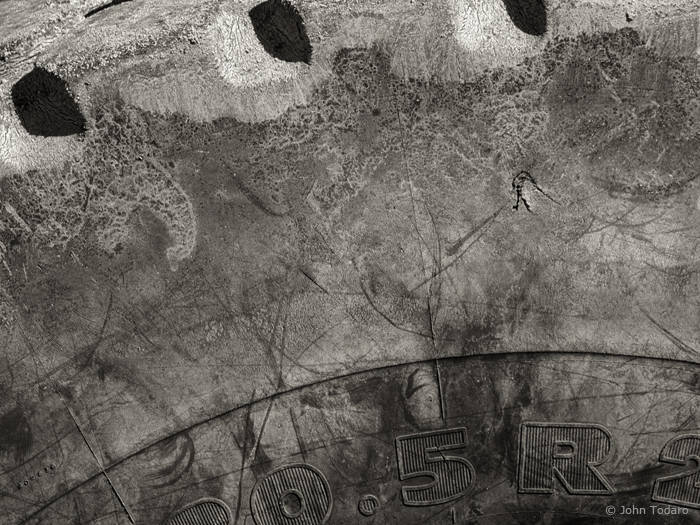
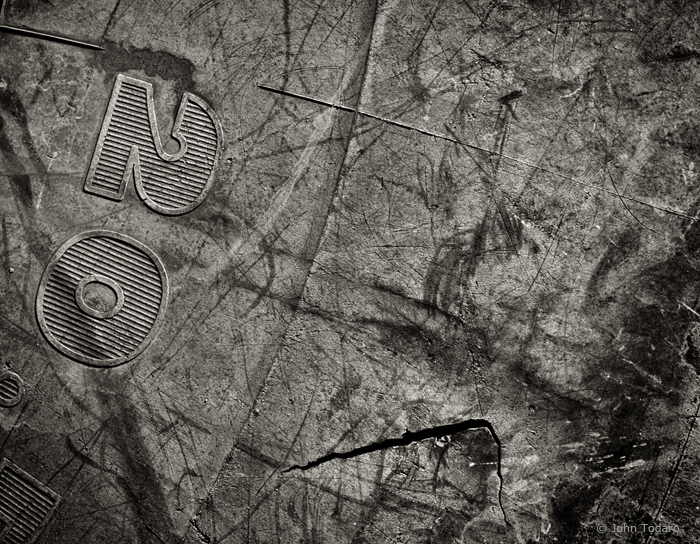
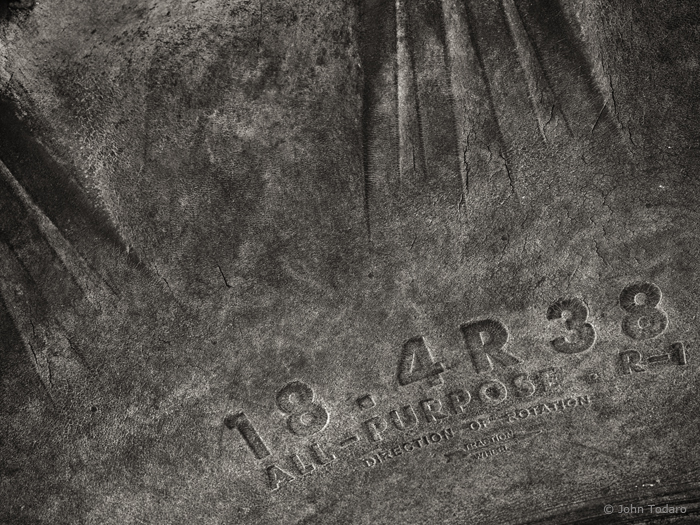
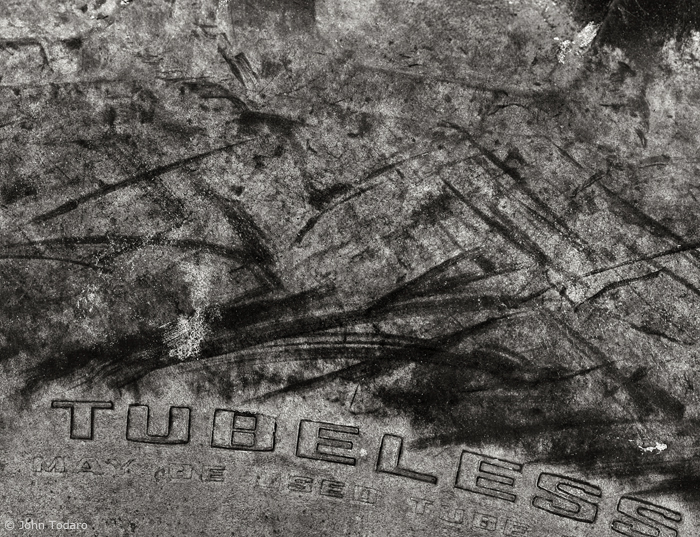
click for larger/sharper images or to leave a comment for individual photographs
Apache Triptych
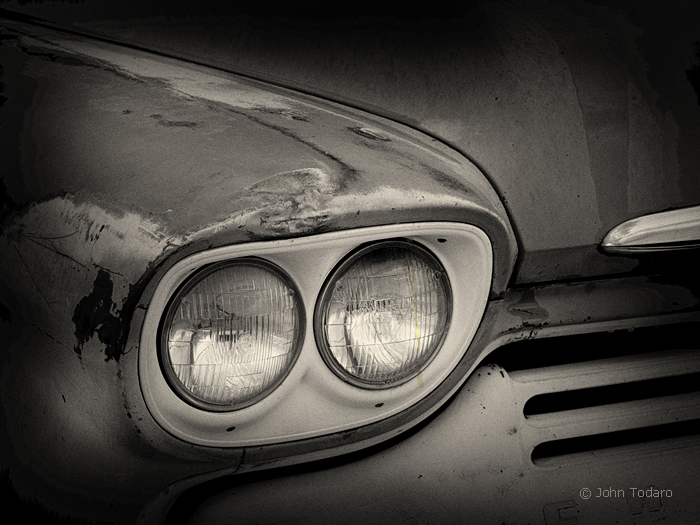
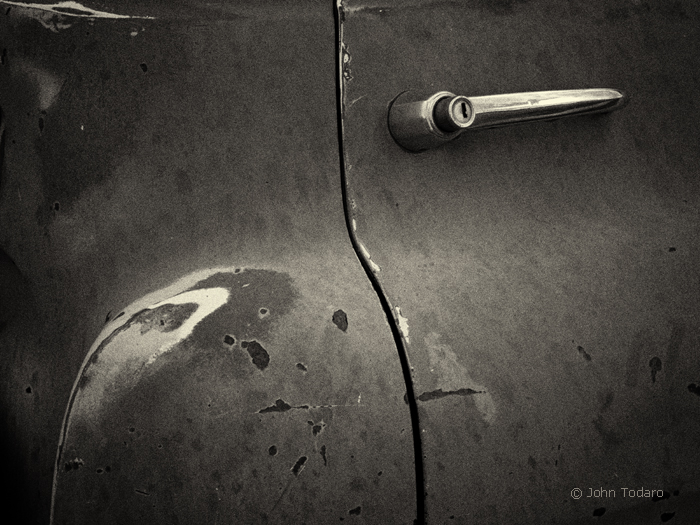
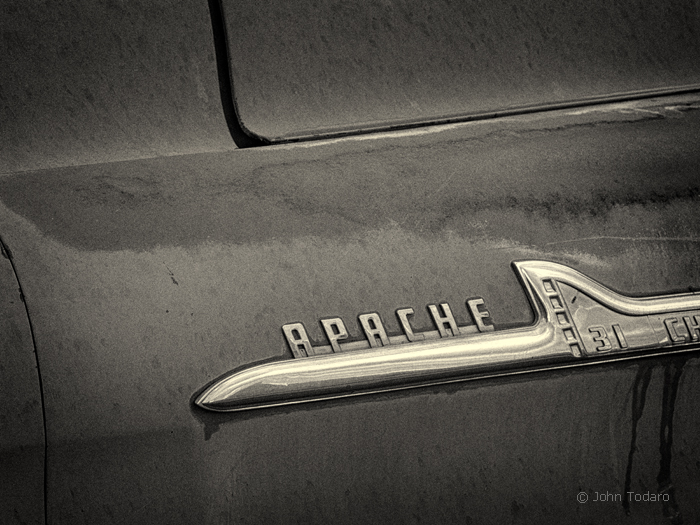
Apache Triptych was first posted Sept 2012.
Click for larger/sharper images.
Going Home
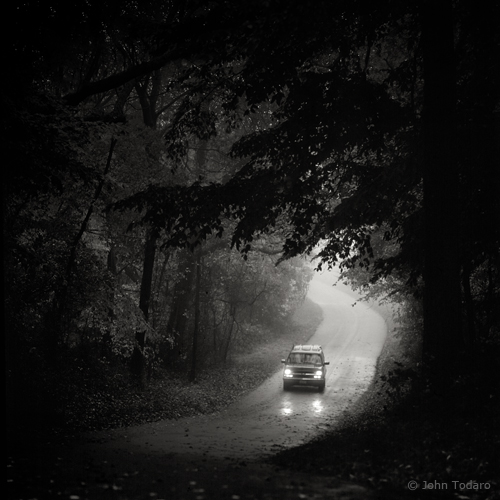
Amagansett
Tucumcari Redux
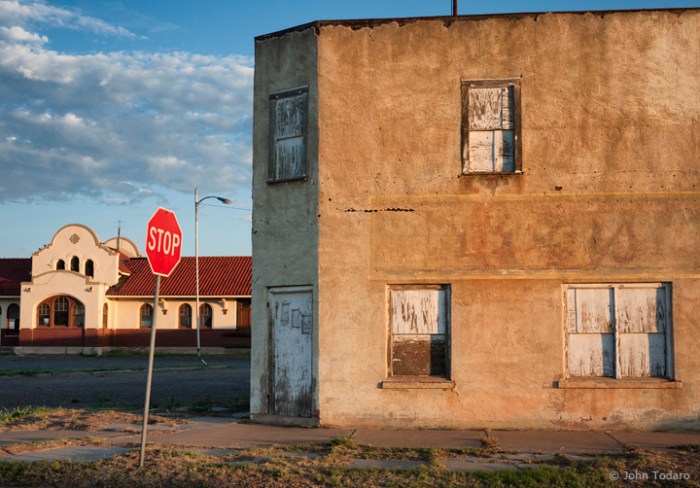
Sept 2011
New Mexico
Lake Through the Trees
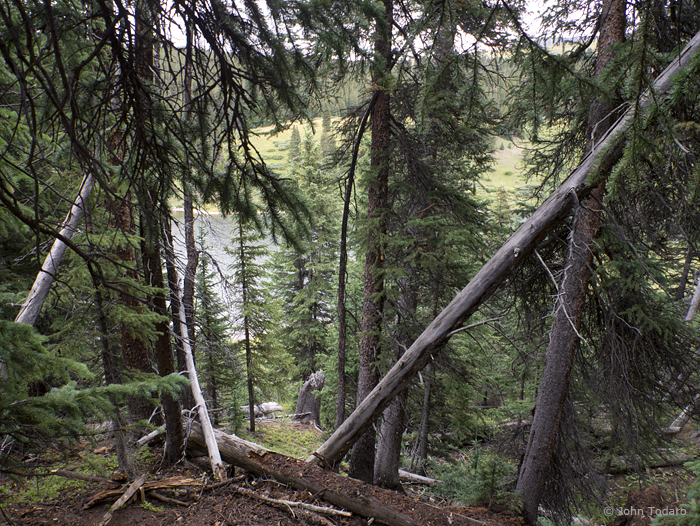
CO August 2013
Beach Road – Sagg Main
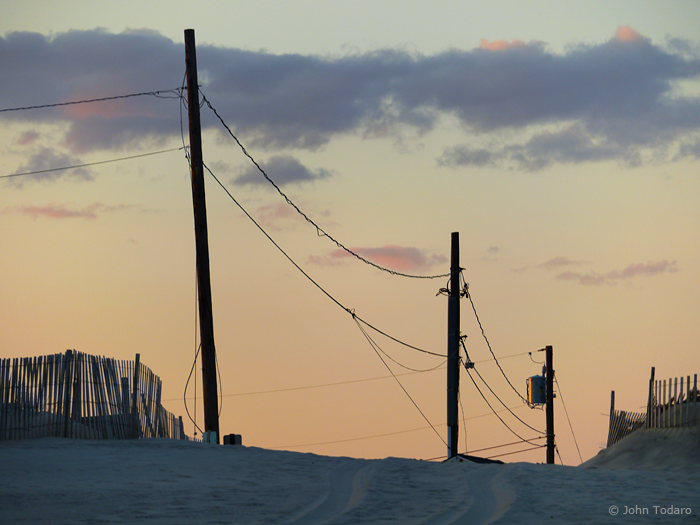
Sagaponack
Beach Clouds
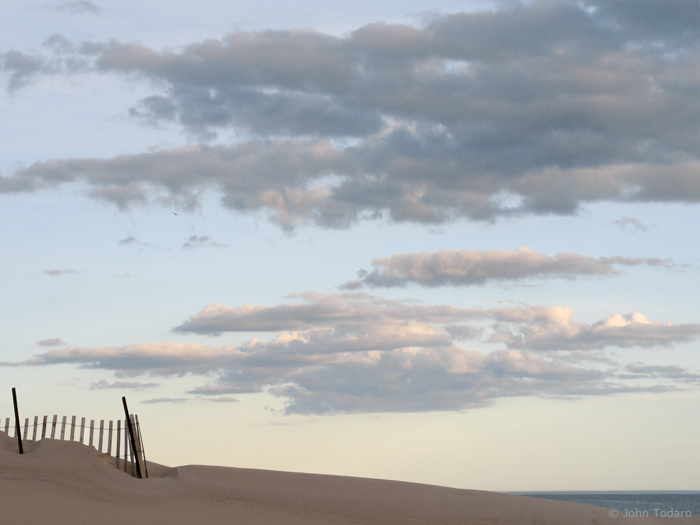
Amagansett 5 May
G3 Lumix Olympus 45mm
Long Beach Monochrome
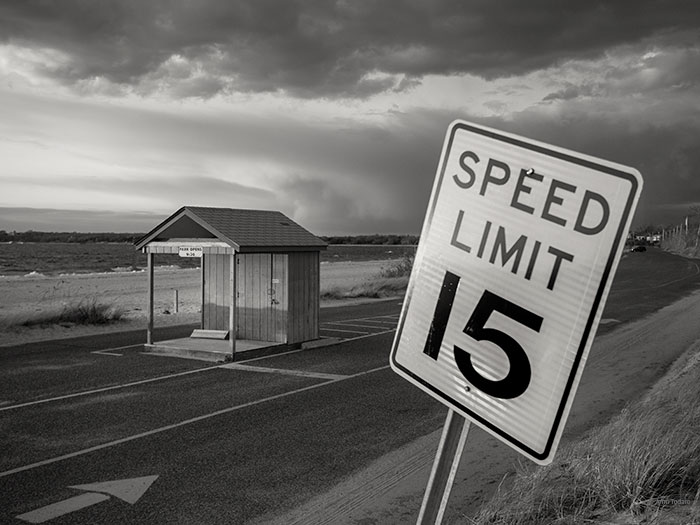
Sag Harbor NY
Road to Manti La Sal
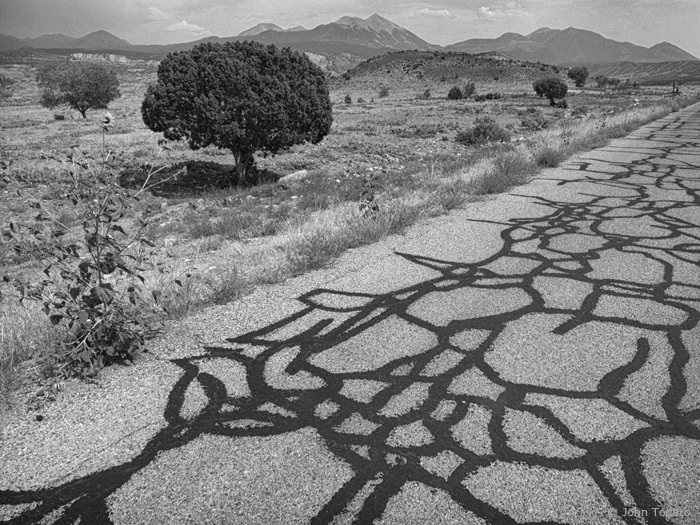
Planning a trip west for July tends to result in unearthing overlooked images from previous years.
2013 New Mexico
Down in the Village
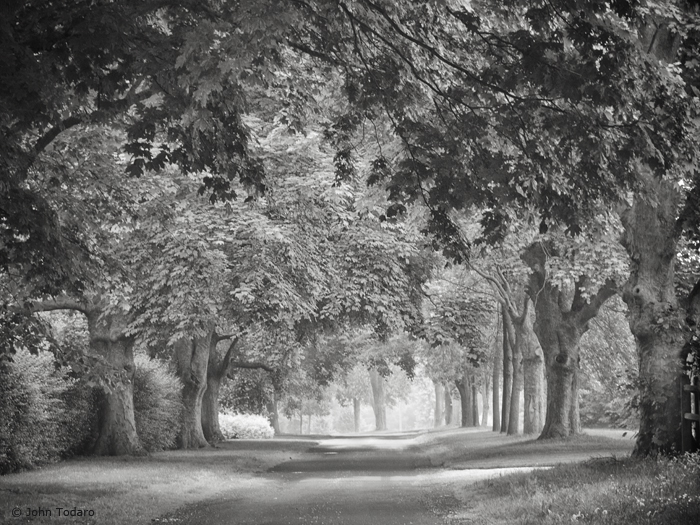
Southampton NY, last spring
Canon G10
click for larger version
Looking Back
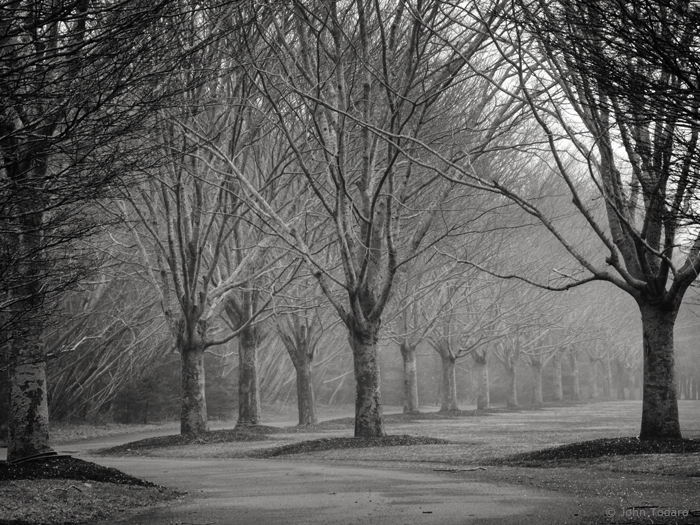
8 Apr
G5 Lumix 45-150
click for larger version
Doorway Detail • Charles B. Wang Center

Photographed this past Saturday in the Charles B.Wang Center at Stony Brook University, my choice for most interesting building on Long Island.
G5 45-150 Lumix
click for larger version
Hook Pond
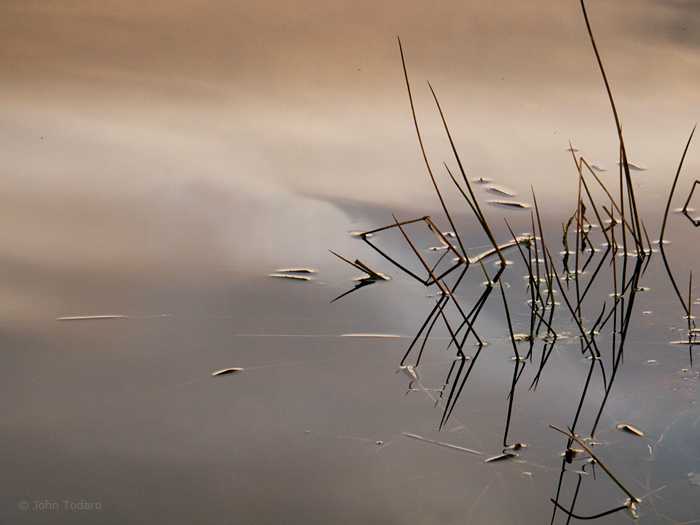
2 April 7am East Hampton
Panasonic G5 45-150
click for larger version
Nursery
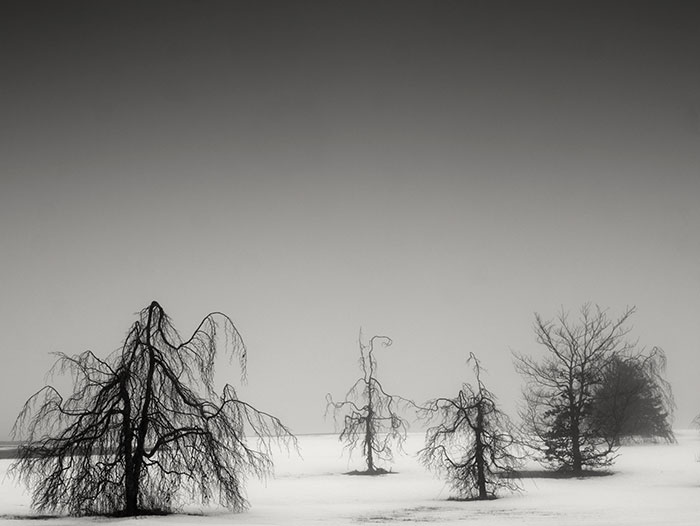
Bridgehampton NY
Ménage à trois
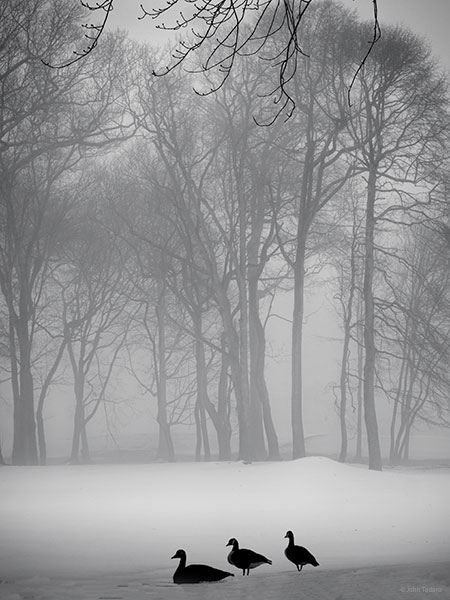
Noyack NY
22 Feb
Harbinger
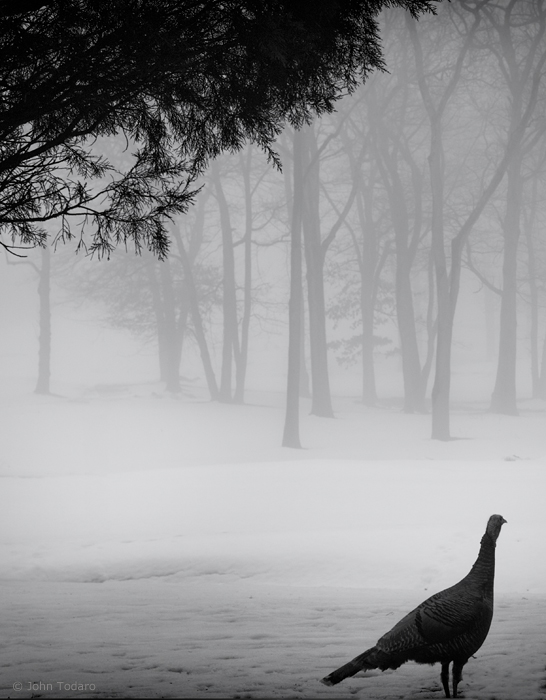
Noyack NY
21 Feb
Stubble

Riverhead NY
15 Feb
click for larger version
Snowberries
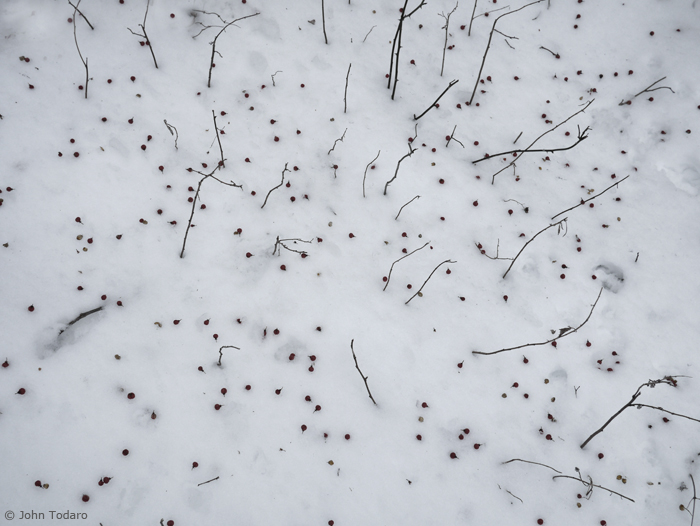
Twigs and Asiatic Bittersweet
Sag Harbor
Feb 2014
click for larger version
Trunks
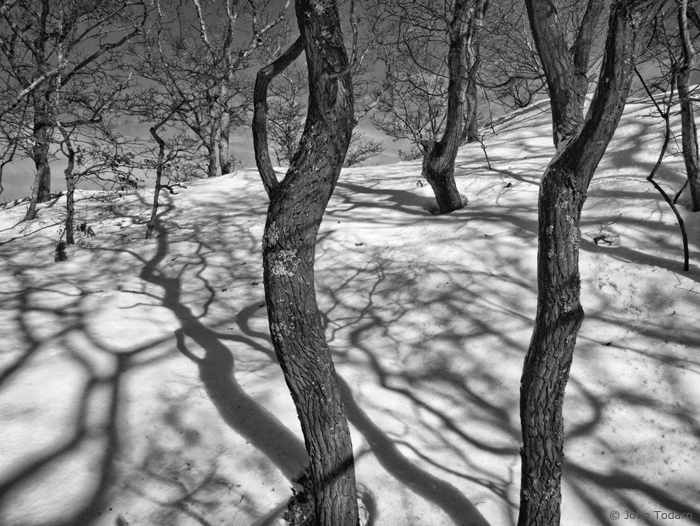
East Hampton
14 Feb
click for larger version
Winterwood
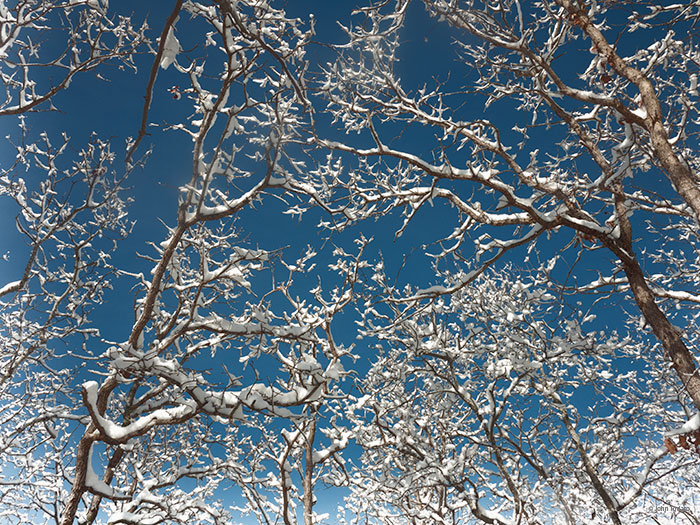
Barcelona Neck, East Hampton
Winter Beach, East Hampton
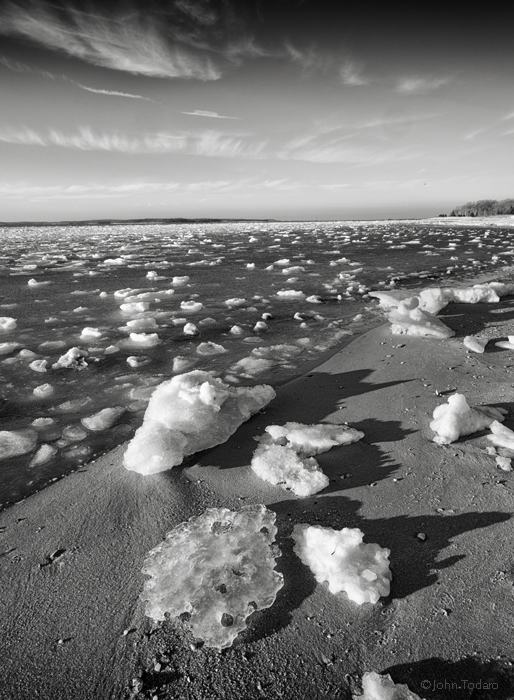
For now, the ice and snow lingers.
Linda Gronlund Memorial Nature Preserve (aka Barcelona Neck).
Green Dumpster
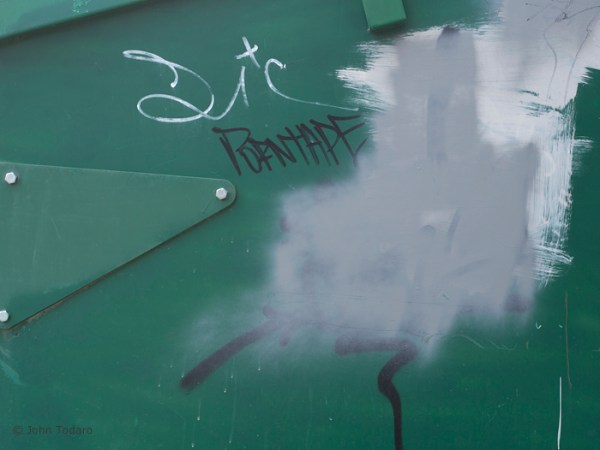
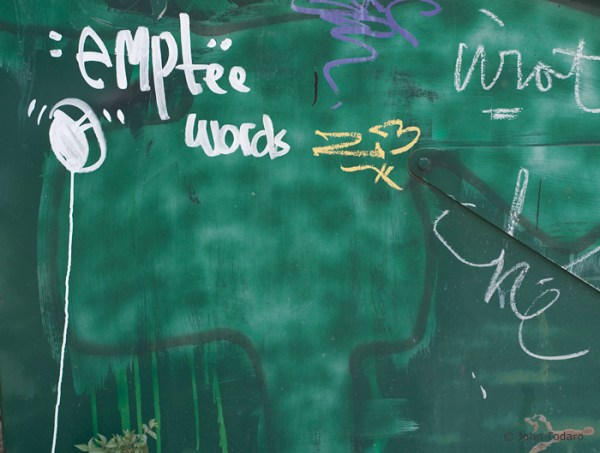
click for larger versions
Dance
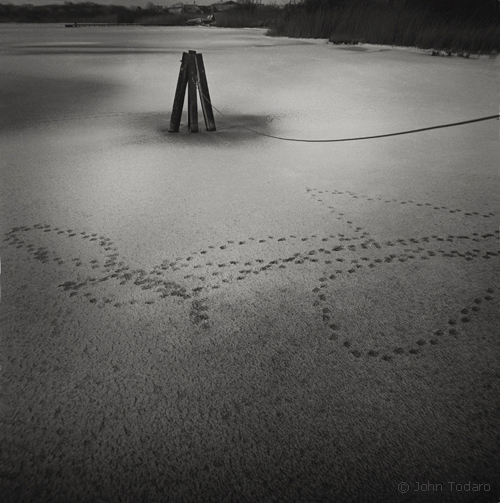
Opened
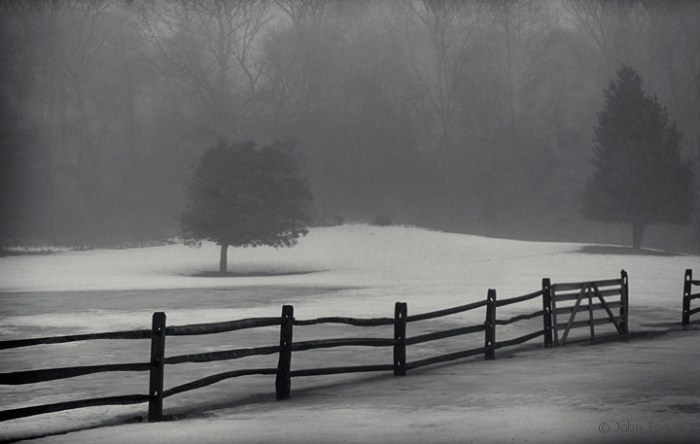
Wreath
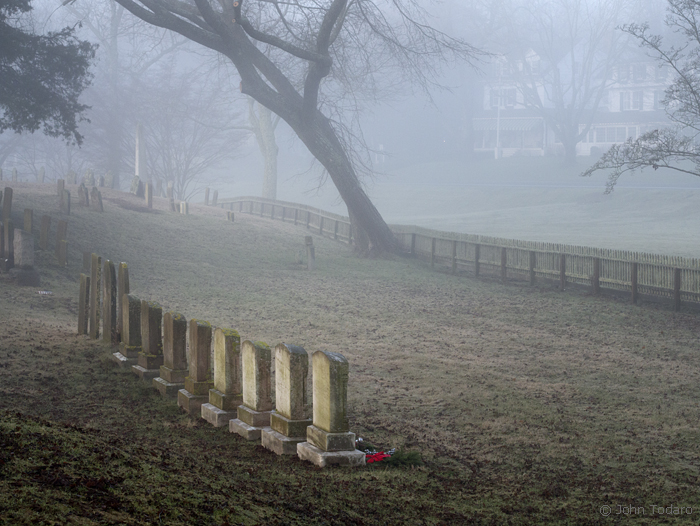
South End Cemetery, East Hampton
8am – Jan 15
Caroga Lake
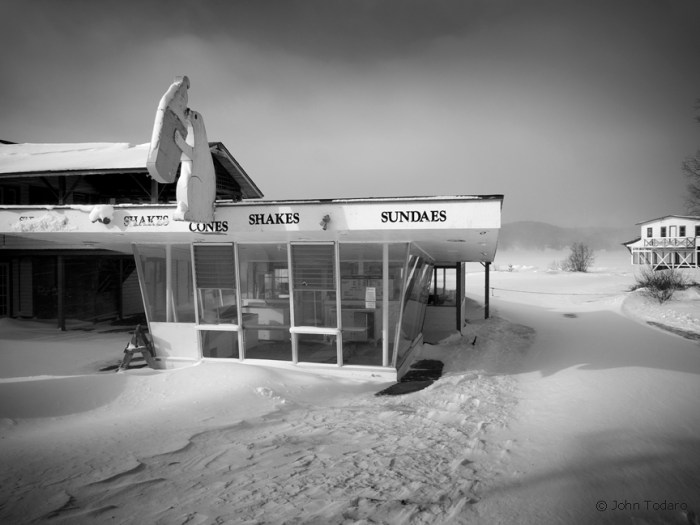
Adirondack Mountains
Feb 2013
click for larger version
Needles
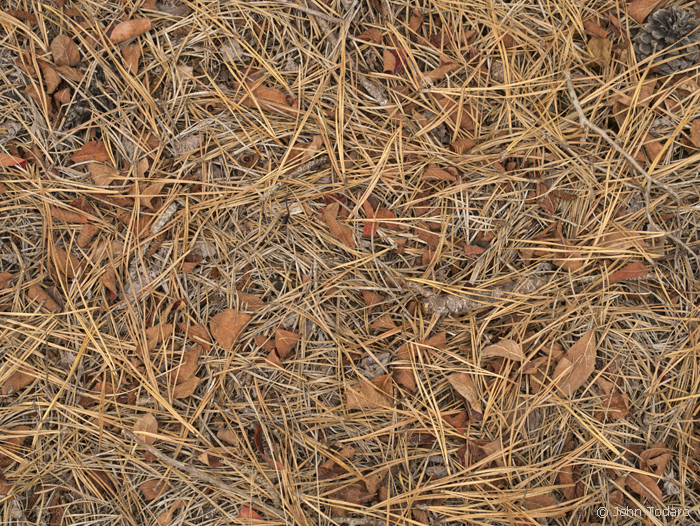
The forest floor at Chatfield’s Hole today: Pitch Pine needles and Highbush Blueberry.
Pond Leaves
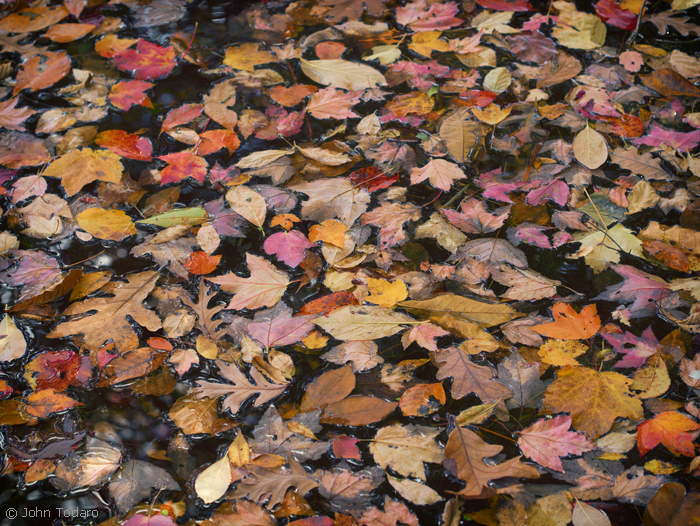
G3 Lumix 45mm Olympus
an hour ago at Trout Pond in Sag Harbor
Old Burying Ground
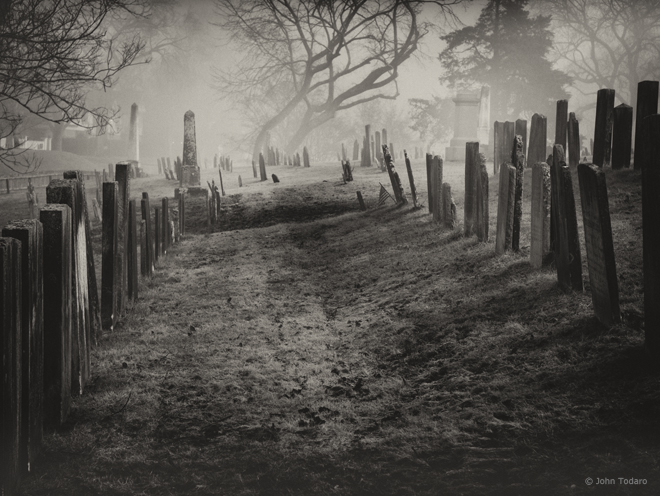
Jan 2014 • East Hampton
click for sharper image
At Port With Charles Todd
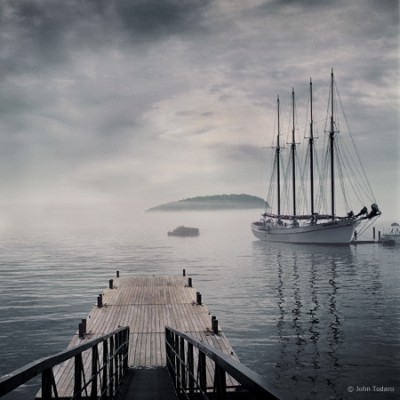
About twelve years ago we took a trip in June to Bar Harbor and the northeast coast of Maine. June is the foggiest month of the year and we were visiting a state that pretty much wrote the book on the stuff. On the morning of our flight home from Bangor I took a series of pictures of the Margaret Todd.
My wife waited back at the motel with our three year old while I put the Hasselblad through its paces. She’s always had more patience than me.
“Todd” is a name that strikes a chord because long before I was born it was the name that three of my uncles adopted. Seventy five years ago, they were running from something that no longer matters to Italian Americans. When I was a kid growing up in Florida, none of that concerned me. My uncles were strangers with no children who lived in other places. The only one we’d hear about was the one who’d send us a Christmas card.
Every year it was signed “Charlie”.
Charles Todd, my uncle, came with an interesting story. I grew up aware that he was a portrait painter and that he’d studied at the Art Students League in Manhattan. Years later I realized that he had been there at the same time as Jackson Pollock. Many other artists were present including Thomas Hart Benton who was on the faculty. Whether my uncle studied with Benton is unknown and his training at the Art Student’s League remains a mystery. Once, during the 1980’s, I ran into a woman at an art show who had modeled for my uncle at the Art Student’s League. Her memories of my him were laced with emotion.
Sadly, my uncle’s artistic aspirations were derailed by the Great Depression. For a short time, he was employed by the WPA to paint murals in Post Offices and other public buildings. But my uncle wasn’t destined to be a career artist. He spent the rest of his life delivering mail in New York City (the irony of which he must’ve appreciated). Over the years, he picked up his brushes on weekends, or when he received occasional commissions for portraits.
My uncle’s mystique grew as I arrived in my middle school years. Sometime around 1968 he won a city-wide art contest held by the Postal Service for its many employees. He made the cover of The Daily News. I own a copy of that newspaper along with the two paintings which were featured on the cover. It’s all down in my basement in storage.
In the mid ’60’s when we spent two summers on Long Island, I discovered that my uncle didn’t have much interest in bygones. We’d sometimes meet him at Sheepshead Bay where he kept a boat. The man I got to know was a droll, quiet guy who who sported a pencil-thin mustache. There was a likable sense of weariness about him, a quality which I found in no other relative. He had a wife (whom I never met), and she was not the woman he loved. One day he showed up with Eleanor, a sexy woman in her late fifites who knew how to lose her past. Later, it became fairly obvious that the woman in shorts leaning against the dock had been modeling for him for years.
She was also my aunt’s best friend.
After that, his affairs were discussed in hushed tones by my parents. I now know that there were many complexities in his relationship with his wife, but because of my youth I formed a mental picture of a lonely and beautiful woman which I carry with me to this day.
My uncle loved the sea. Despite the advancing years, he bore a striking resemblance to the wiry guy in the black and white Navy photograph which we kept in the box with the pictures. One afternoon when I was about ten or eleven he invited us out on his boat. My brother, father and I drove to the marina in Brooklyn. Eleanor was there, and everyone was a little tense. We climbed onboard, assembling awkwardly in the cabin. My uncle slowly guided us out of the harbor and then leaned into the throttle taking us swiftly to the middle of the bay. He idled the engine; it was breezy, a little choppy–and no one had much to say. With a cigarette between two fingers, Eleanor opened a cooler and handed us cans of soda. My uncle, who had no patience for small talk, placed me at the wheel. We took off. In amazement, I steered the boat for several miles. I felt like I’d been granted an unexpected right of passage.
I only saw my uncle a few times after that. Once during my late teens he visited us on a frigid autumn weekend. I hadn’t seen him in a while, and because of my advancing interest in art I was really looking forward to a chat. In retrospect, it was a memorable day. My uncle and I had a one-one-one: a short but satisfying conversation under a pallid florescent light. We were in the basement in the room that my father filled up with second hand furniture. It was the only time I ever heard my uncle talk about the old masters.
The last time I saw him was in a musty hospital somewhere in New York City. He was dying, but I can’t remember why and was too overwhelmed to inquire about it at the time. He was in pain and waved us off because he wanted no visitors. I’ll never forget that day.
It was another thirty years before I’d photograph the Margaret Todd. I have a hard time imagining my uncle with any interest in color photography. He would’ve been polite enough to critique my images because I was his nephew. He was a well-trained colorist during a time when other things mattered to artists. In another sense, I can easily envision him admiring the Margaret Todd because for him, she would’ve evoked the sea. What I’ll never know is whether the graceful lines and soft colors of my photograph would have had any further meaning.
Wetlands Boardwalk – Emma Rose Elliston Park
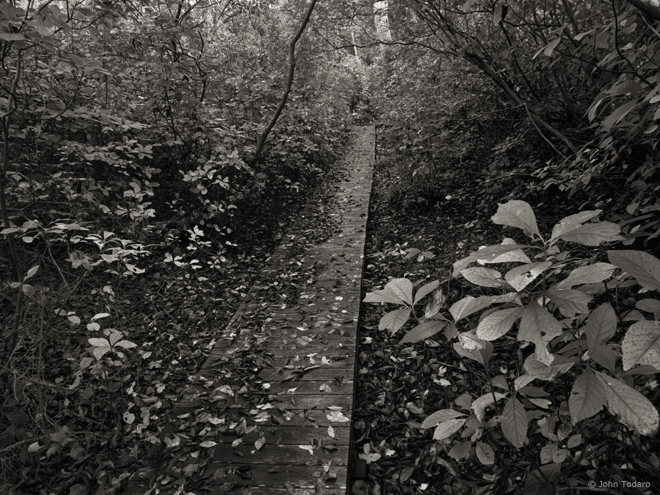
24 Oct • Southampton
click for sharper image
Accabonac Moon
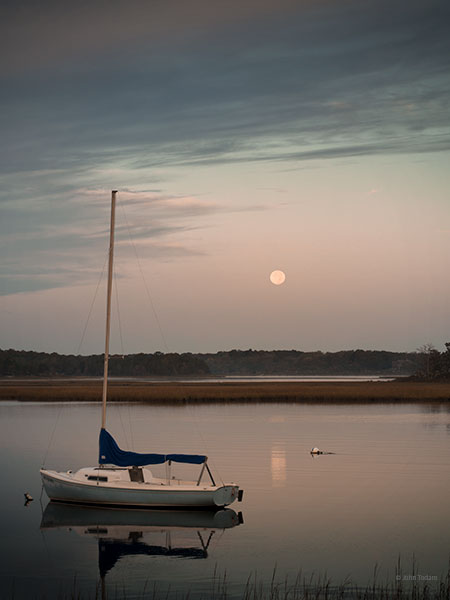
Louse Point, Springs
Fall in Shades of Gray

Another image from the Samsung Galaxy S4
20 Oct • Chatfield’s Hole, East Hampton
Louse Point Moon

The moon setting in the first rays of sunrise today. Louse Point, Springs.
G3 Lumix 45mm Olympus
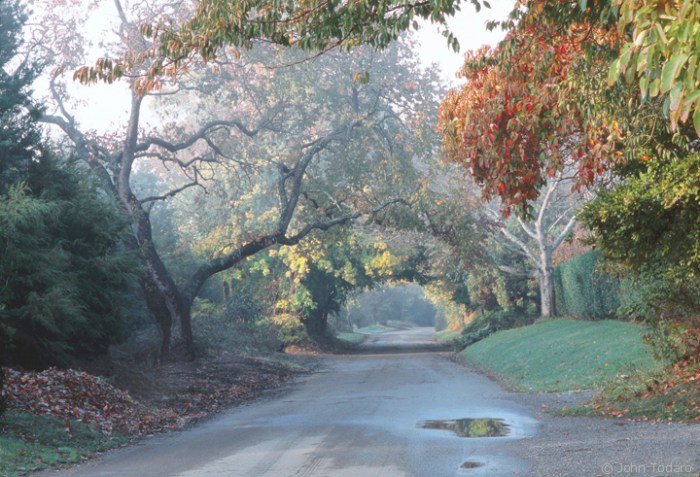
Middle Lane
 JOHN TODARO