Author: johntodaro
Damsel
Sun and Moon
Furled

Bloom and Torn Leaf
Cupping Summer
Pond Flights


Ascending Bloom
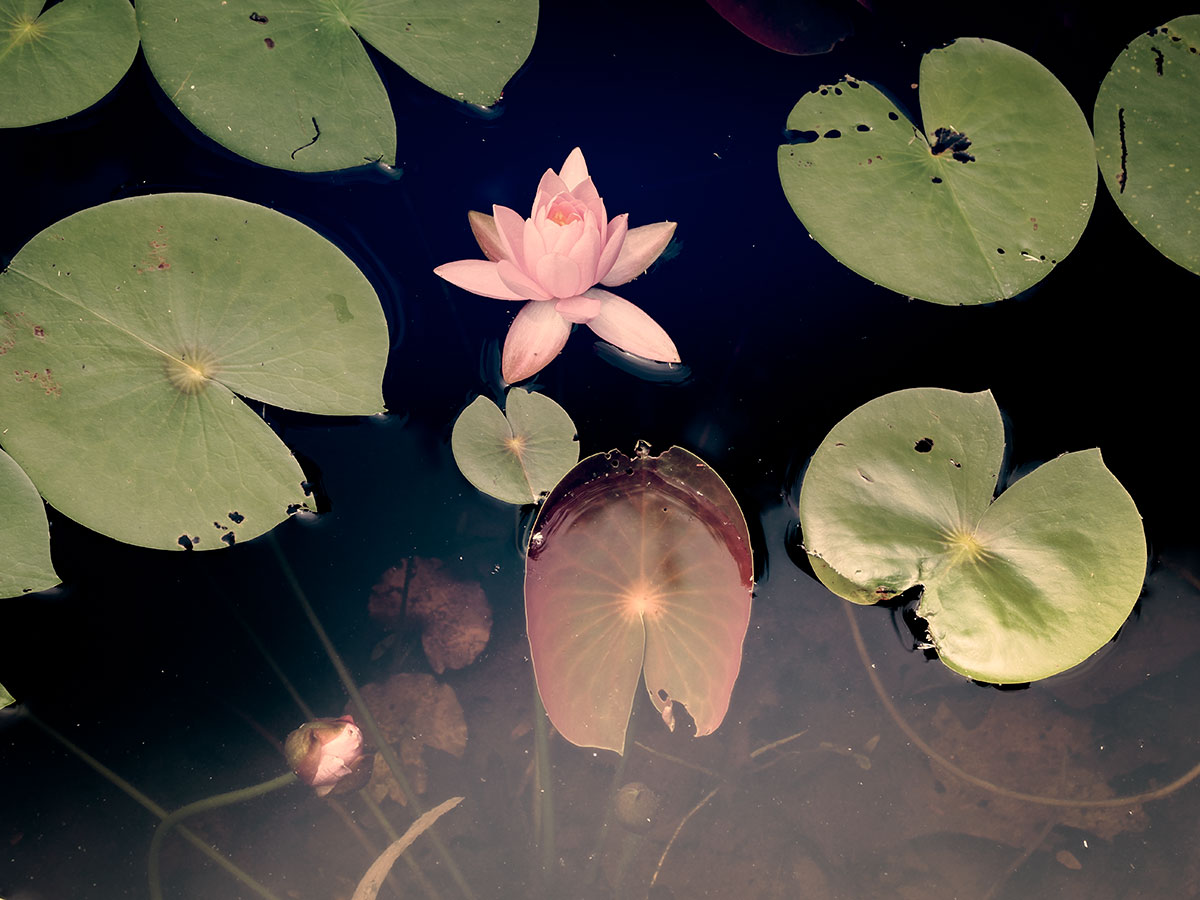
Receding Bloom

The Veil
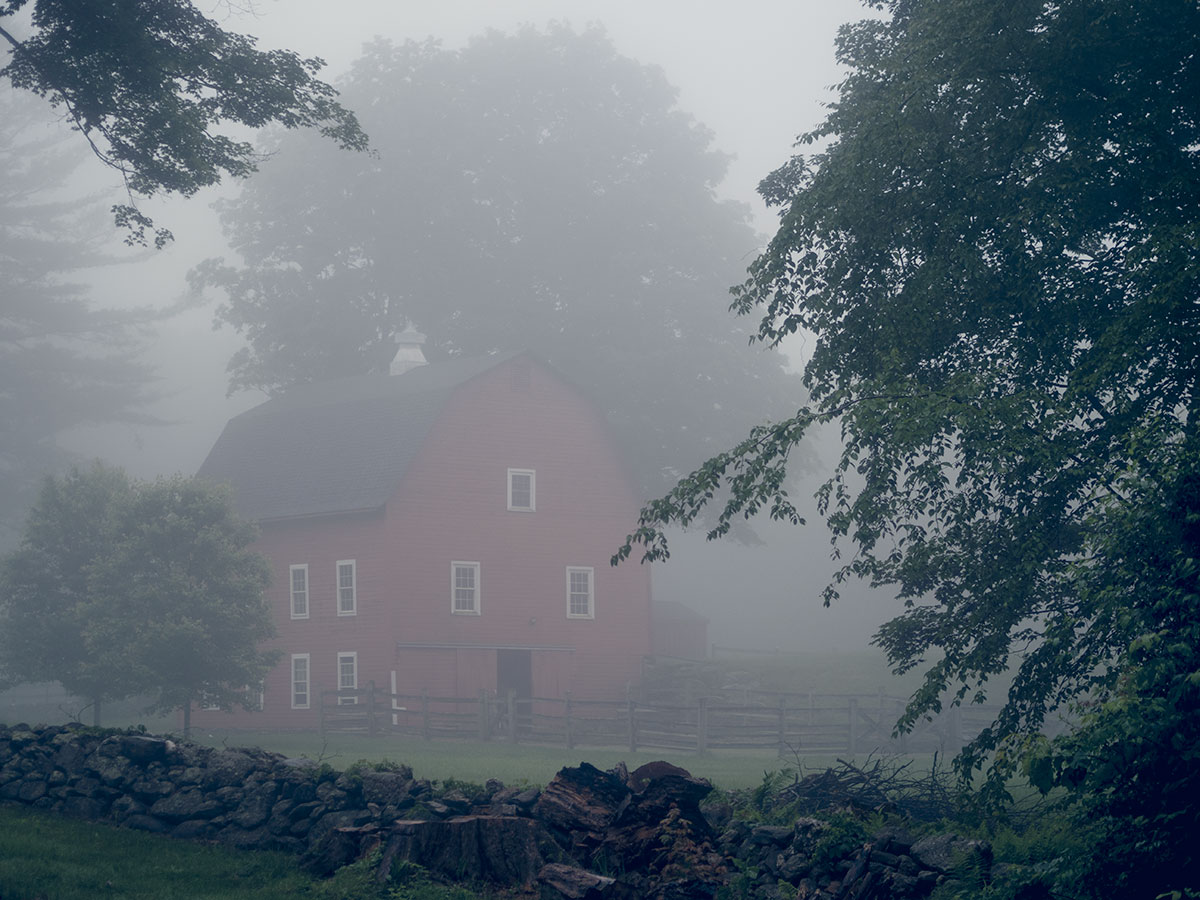
Sandy Brook

Threshold

Zephyr

Fern From Below

Stem in Partial Shade

Laurel Sepia
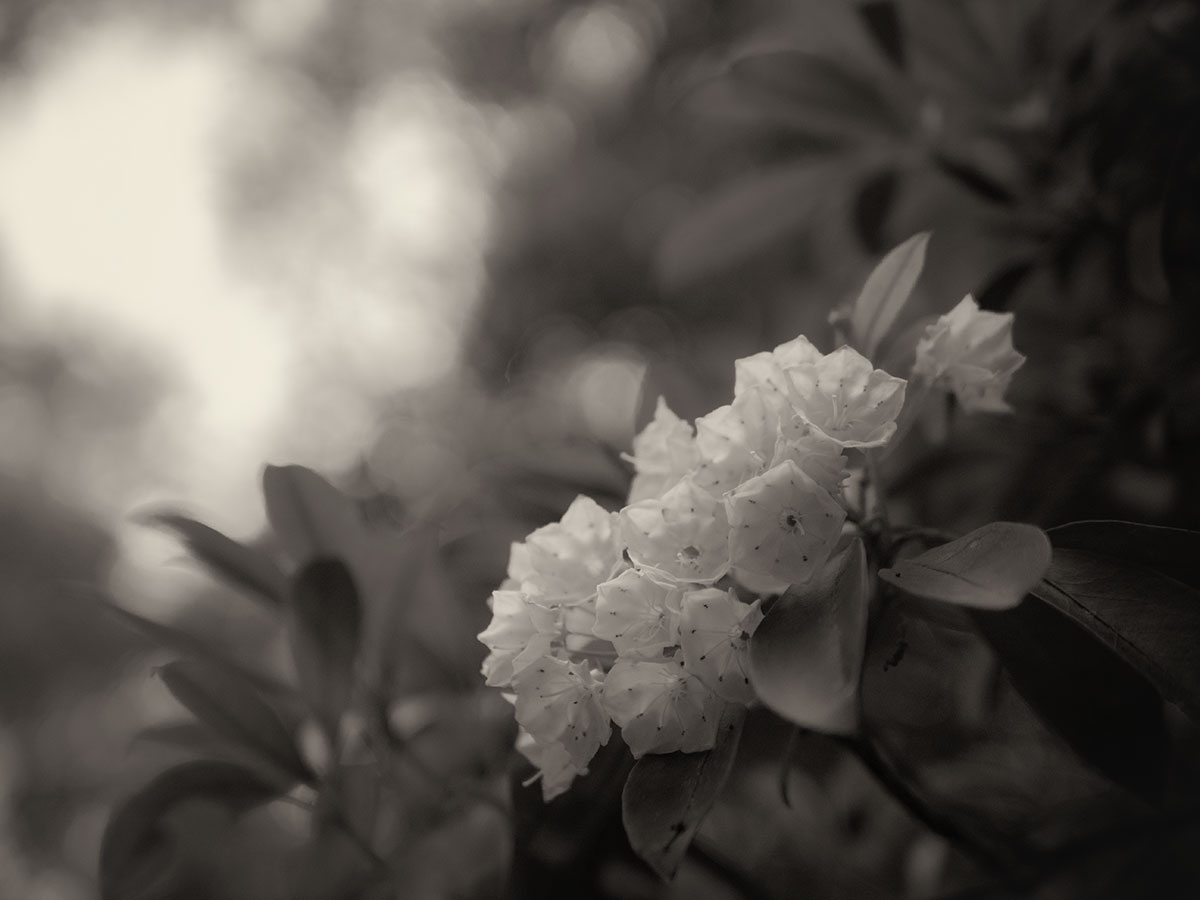
Roraback’s Windmill
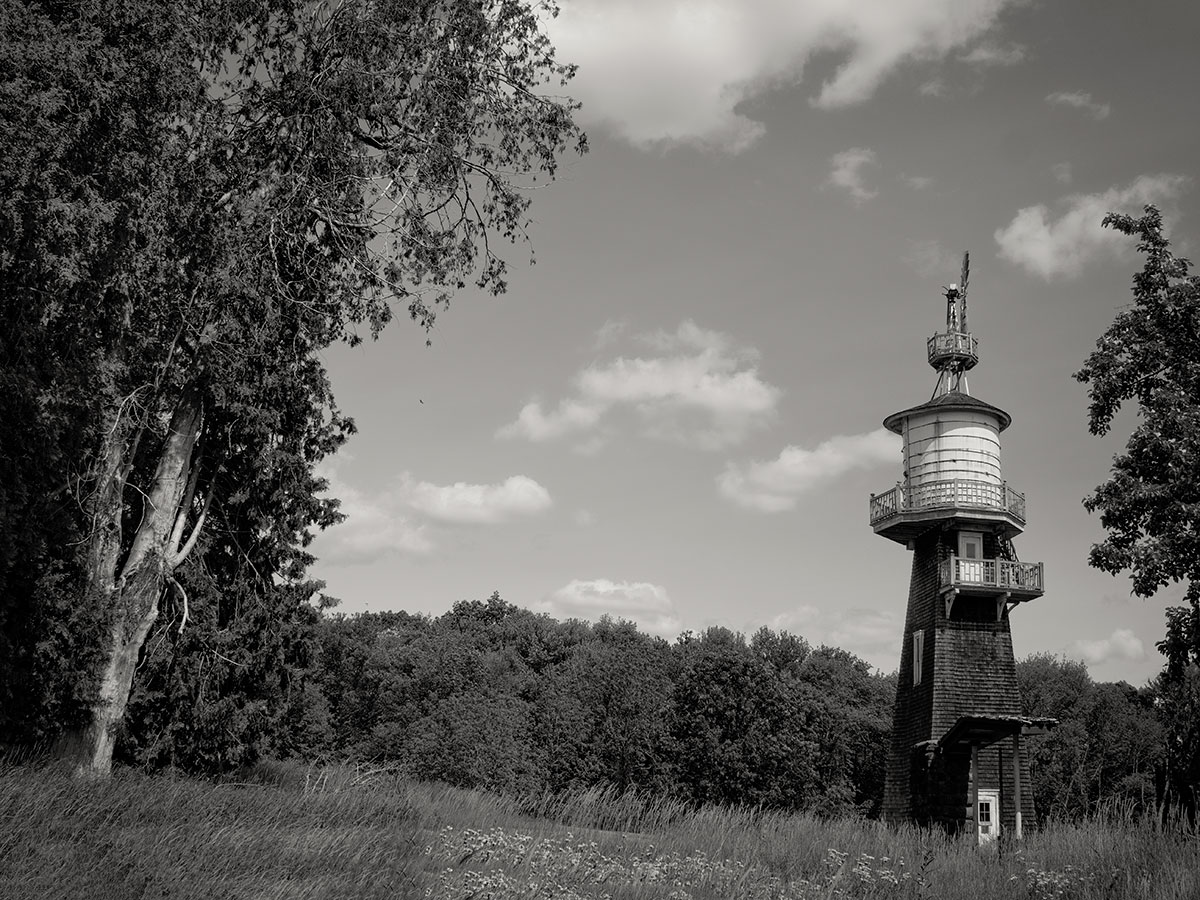
The gradient of sky; the distinctive rural structure on a summer roadside. The black and white pictures from these moments form a brotherhood of sorts; found on the hard drive and in the boxes of negatives, slides and prints.
This picture was from a recent bike ride (with camera) in Harwinton CT. The windmill was built 90 years ago and sits next to the former home of its namesake.
home
Four Fronds

June Gaze

Bull Pond

In Rain iii
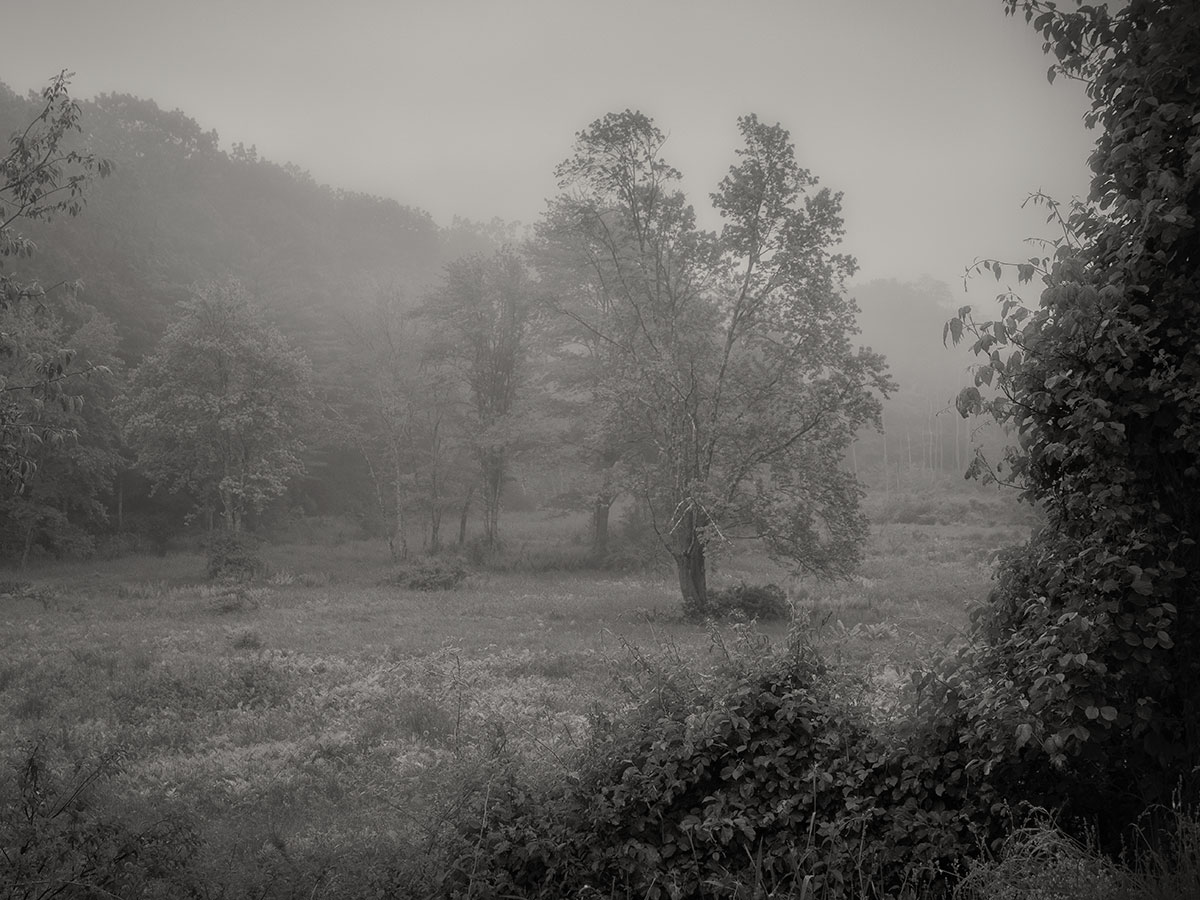
In Rain ii

In Rain

Blowdown
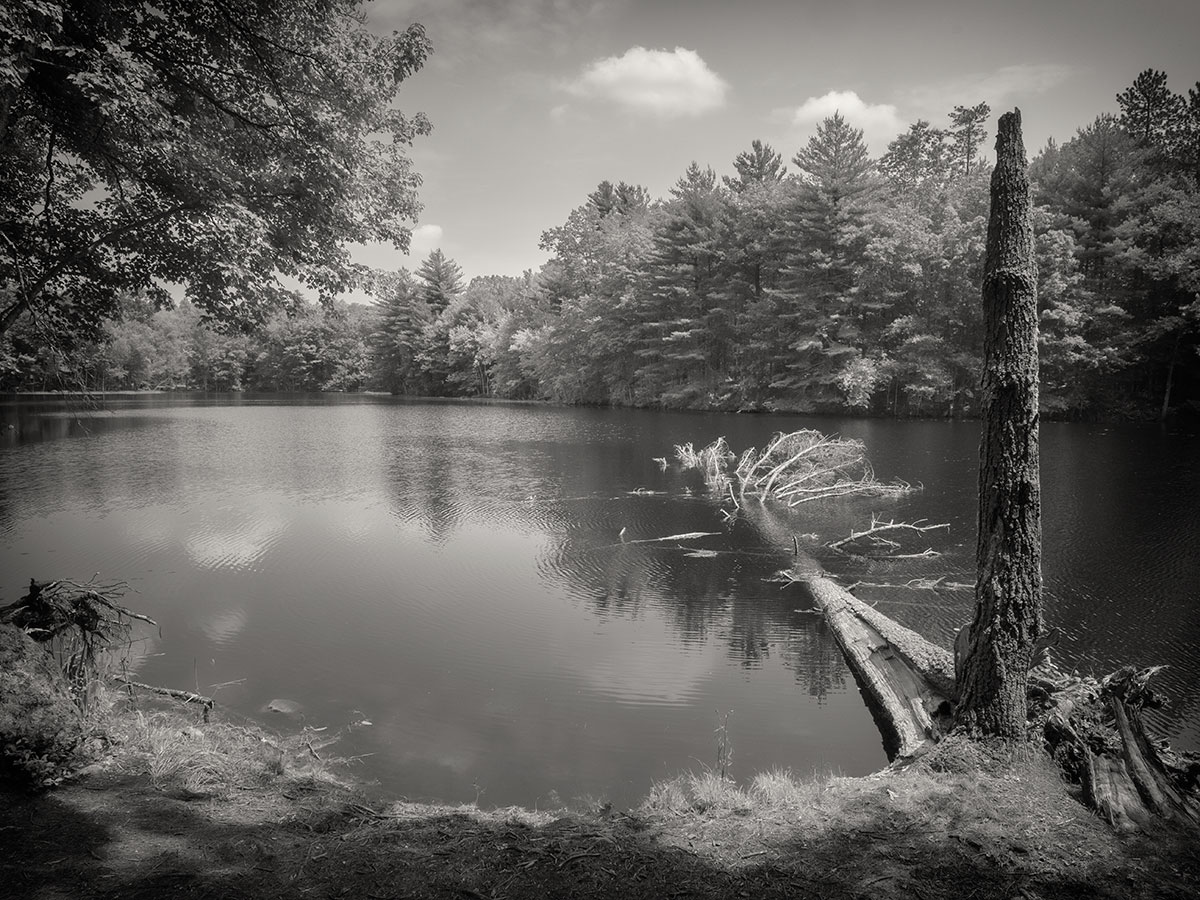
River North From Riverton
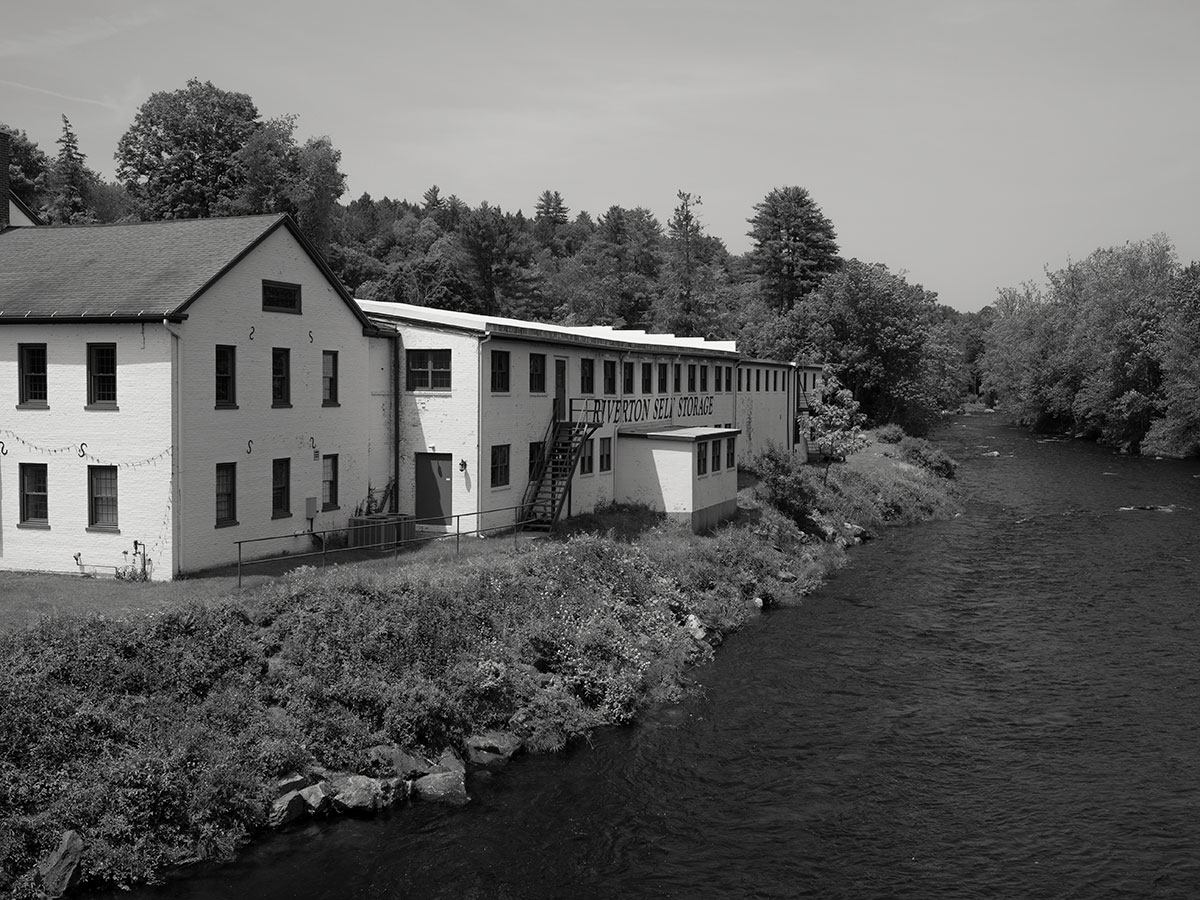
Pausing on the bridge in Riverton CT, the Farmington River is seen curving into the woods to the north. These buildings are evidence of a long history of mills, beginning with Hitchcock chairs and a fabric printing operation in the 19th century. A short walk north along the river leads to an interpretive trail and abandoned cellars and mill walls dating to the 1840’s. Before the arrival of Europeans in the 1700’s, the river was a trade route and fishing area for Native Americans.
What interests me with the photograph is how rivers can convey a sense of place and adventure much like roads. But their stories are richer; and they span millenia, not just a few decades.
Matthies Grove

This was taken in a grove of a well-loved white pines in the picnic area of People’s State Forest in Barkhamsted CT. The West Branch of the Farmington River divides this section of woods from American Legion State Forest on the other side. The woods are home to bears and bobcats and moose are occasionally spotted as well. This stretch of river is wild and scenic; a destination for catch-and-release fly fishing. On my bike ride around both sides of the river a few days ago, I spotted many waist-deep fishermen quietly casting into the flow.
Standing Water
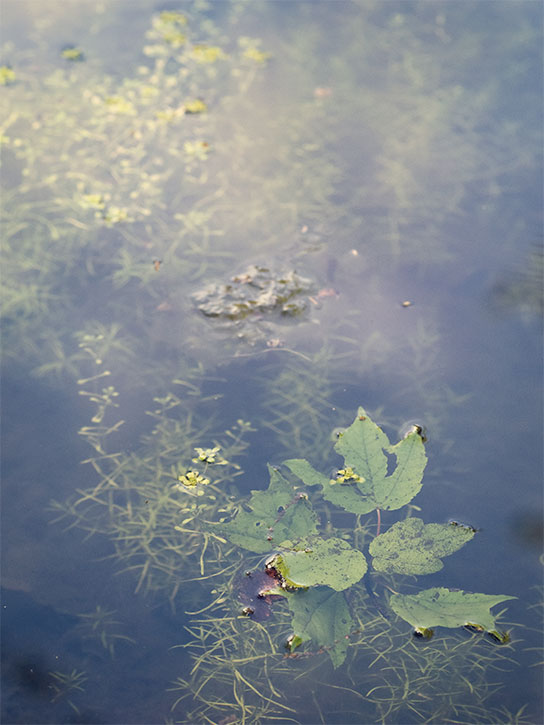
Tree in Rain
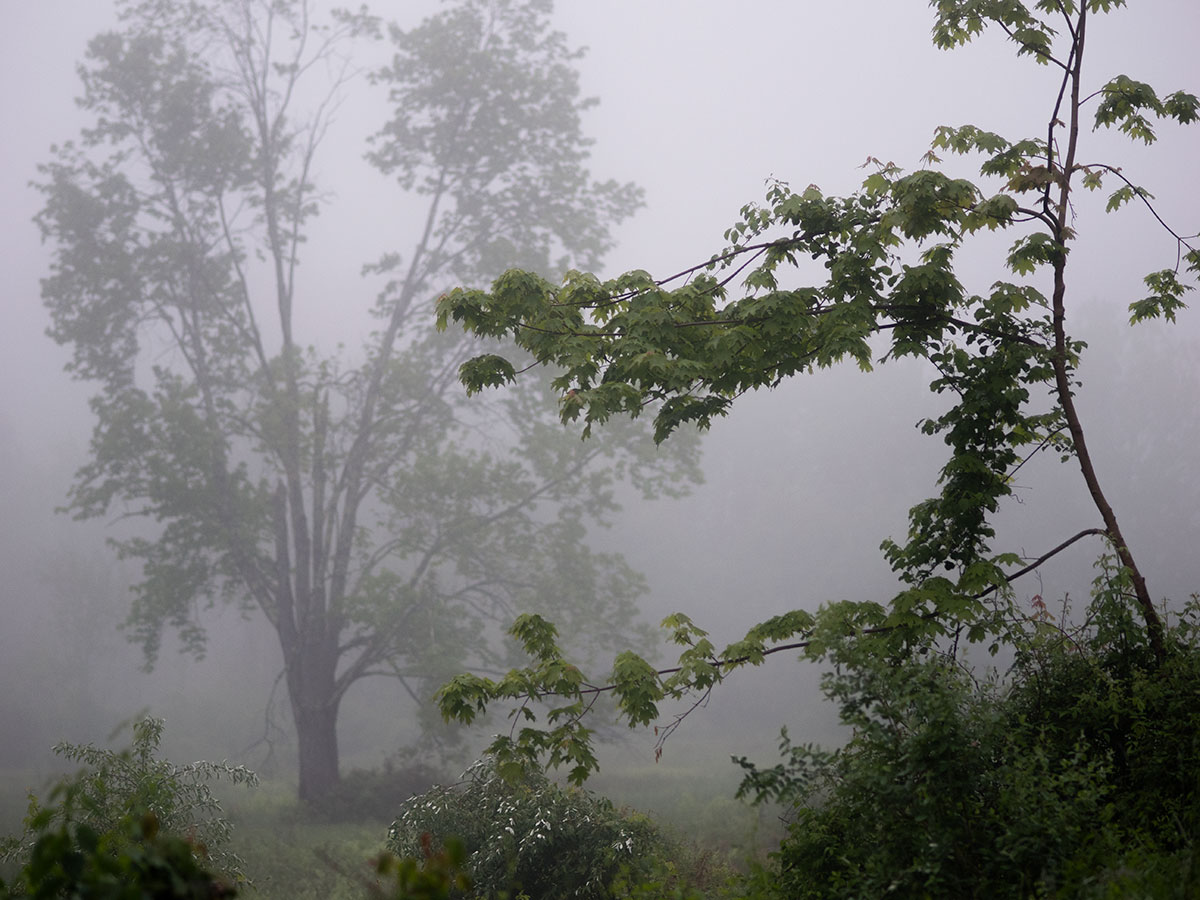
Coat of Ivy

On Jones Mountain
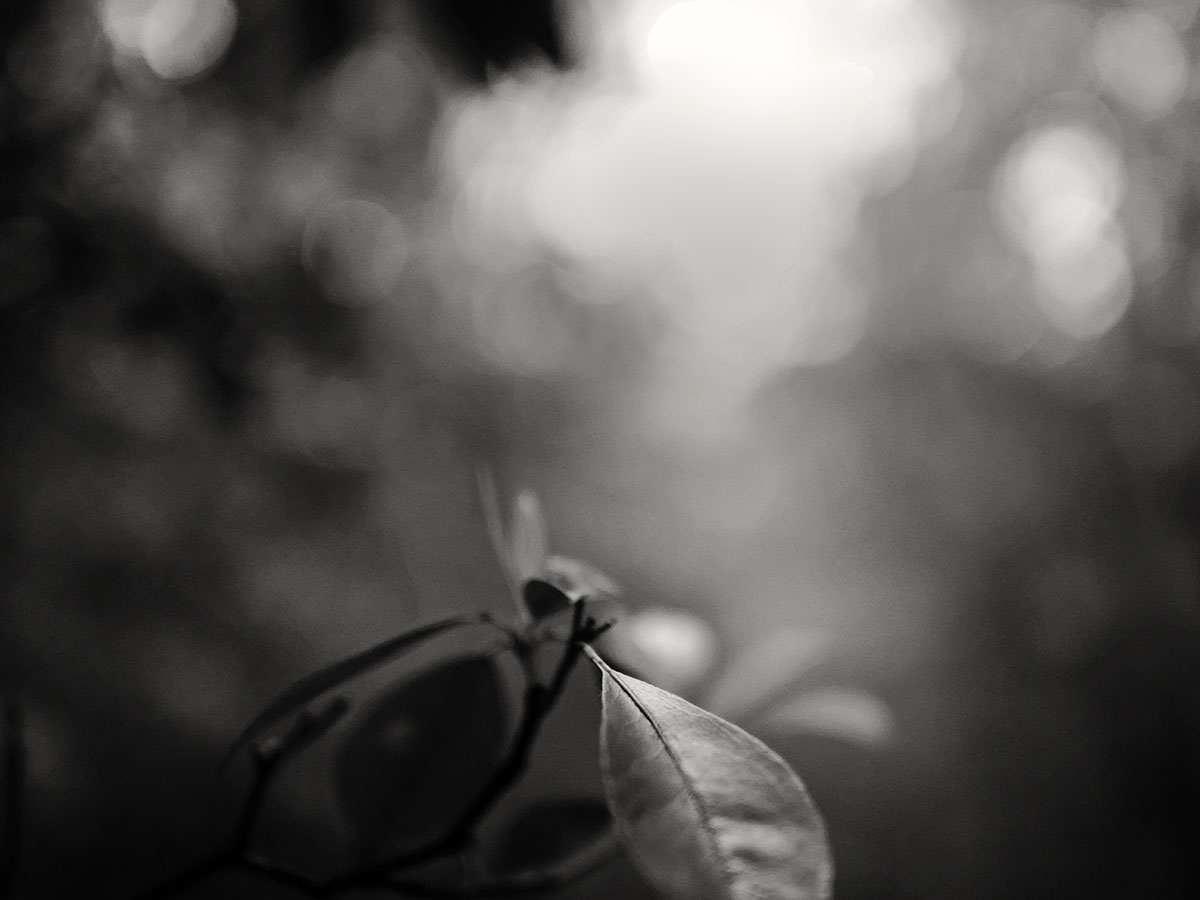
Lead Mine Brook iii

Lead Mine Brook ii

Lead Mine Brook

This is the first of a group of pictures from this morning: a lifting late-spring fog in an area of wetlands in Harwinton CT. All around this spot were the songs of Blue-winged Warblers. This creek is the East Branch of Lead Mine Brook.
Mid-May Arc
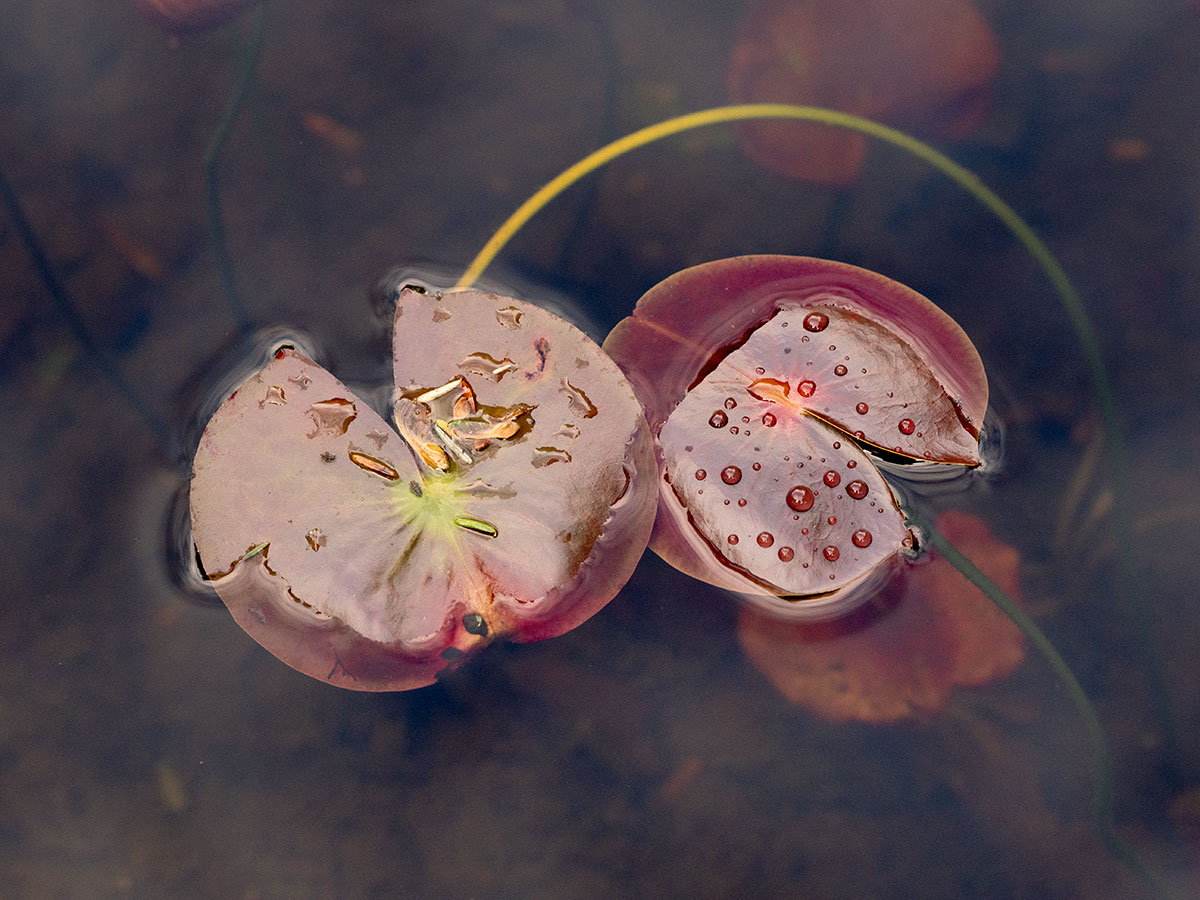
Vernal Surface
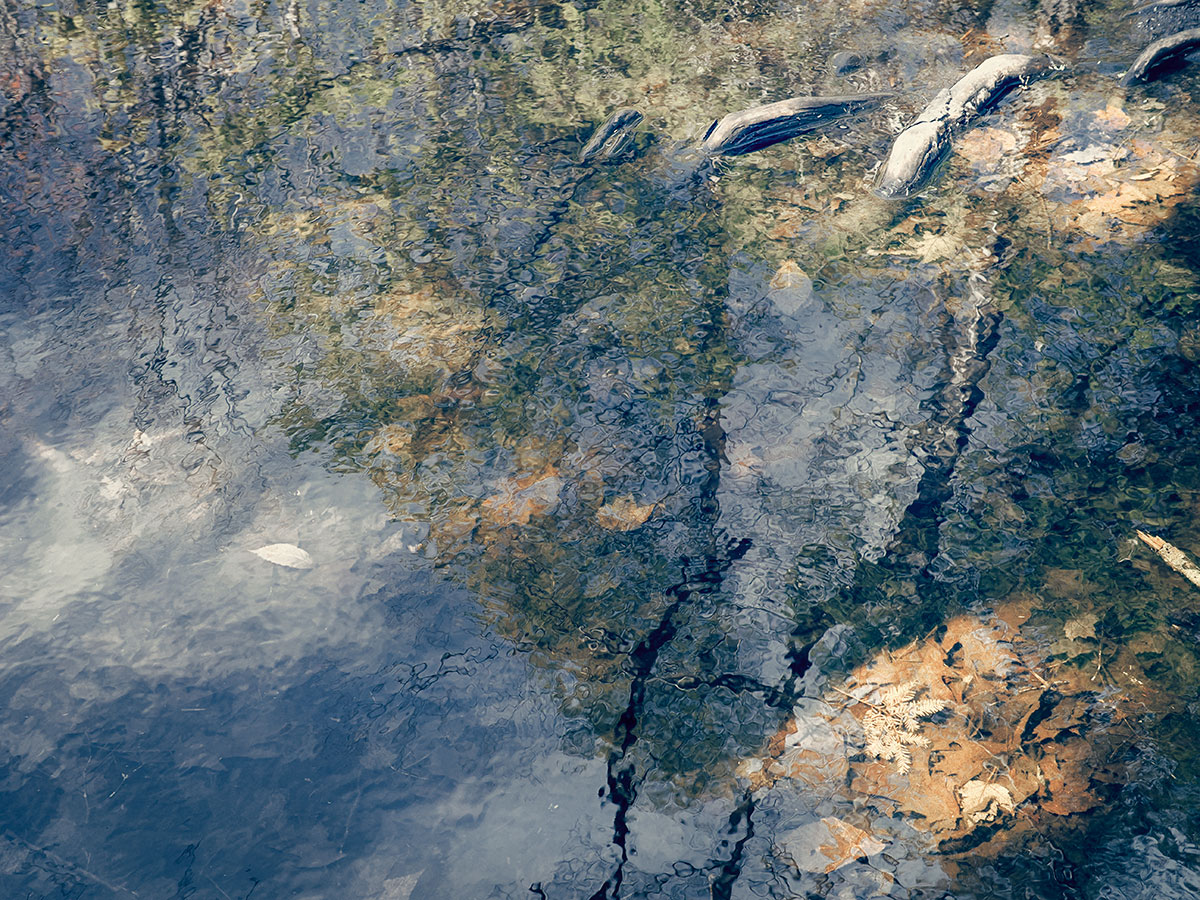
This photograph was taken taken two weeks ago in a secluded swampy area in Great Mountain Forest, Norfolk CT. The preserve is one of the few places in the state where there are breeding pairs of moose. Those shades of blue found in this image are favorites of mine.
Methodist Lane Magnolia

View From the Stern

Long Island Sound
home
Route 7 Northbound

Swamp Gaze
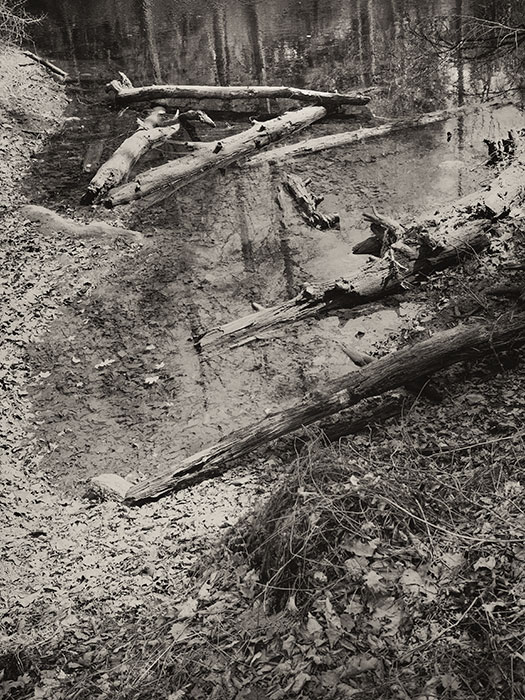
Reawakening


Great Mountain Forest, Norfolk CT
Click to enlarge. I can’t make up my mind which I prefer, although I feel more of an urge to print the black and white. But that doesn’t necessarily mean anything. 😊
Crevasse
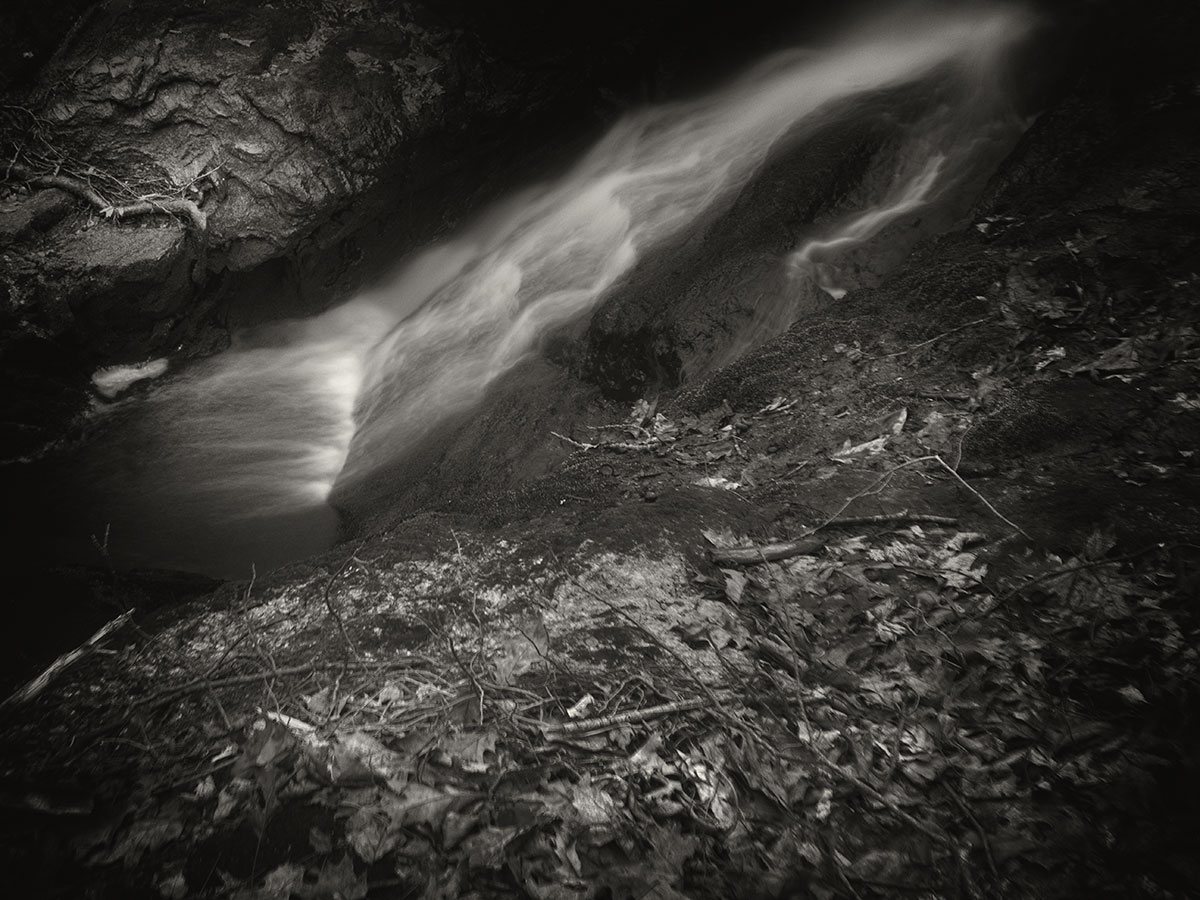
Submersed Sun
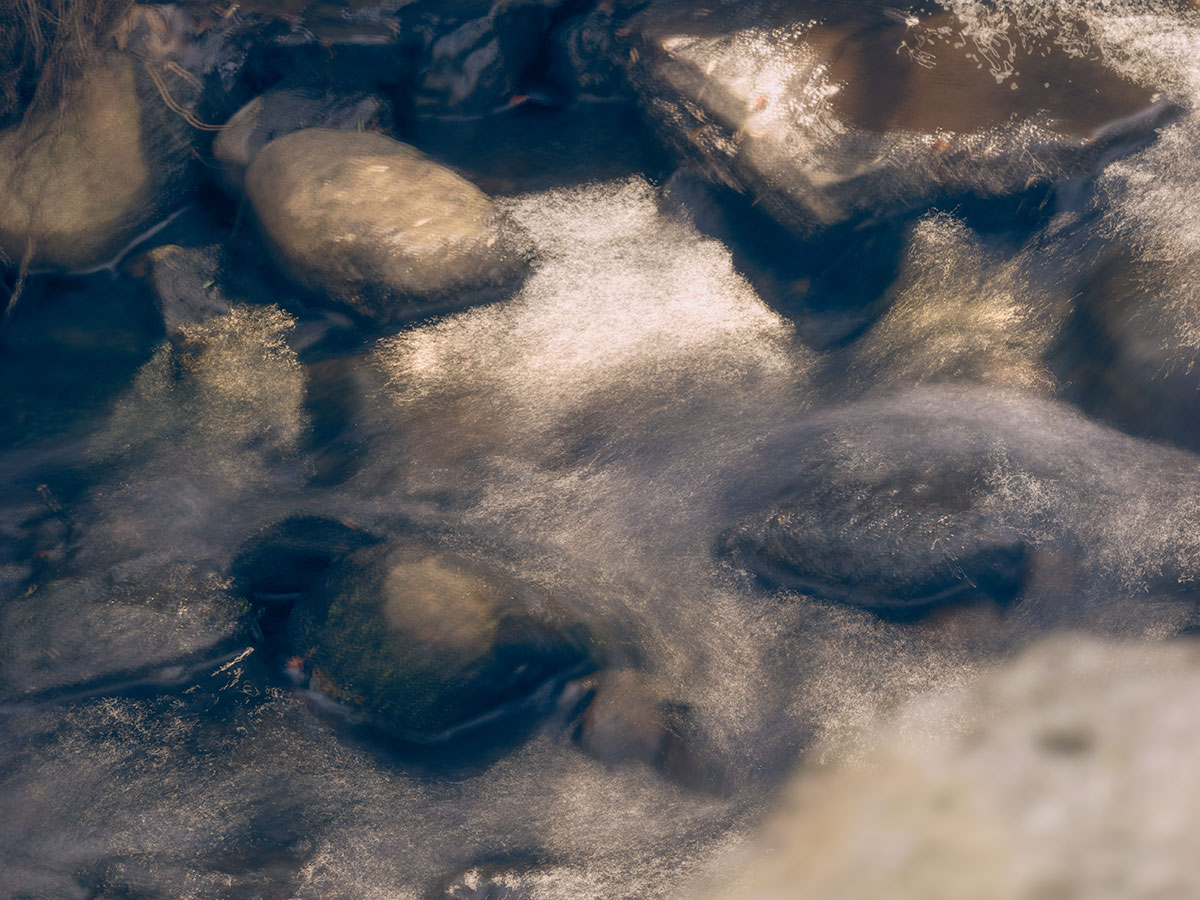
Blackberry River

Curving Birch

Log at Beckley Furnace

Desert Grassland

This is a recent scan of a 35mm transparency taken about twenty years ago. I was using a Contax G2 and Fuji Provia F. We’re looking at central Utah here, just northeast of Hanksville. That camera was a rangefinder; no mirrors involved. And it does appear it found a range in this instance.
April Forest
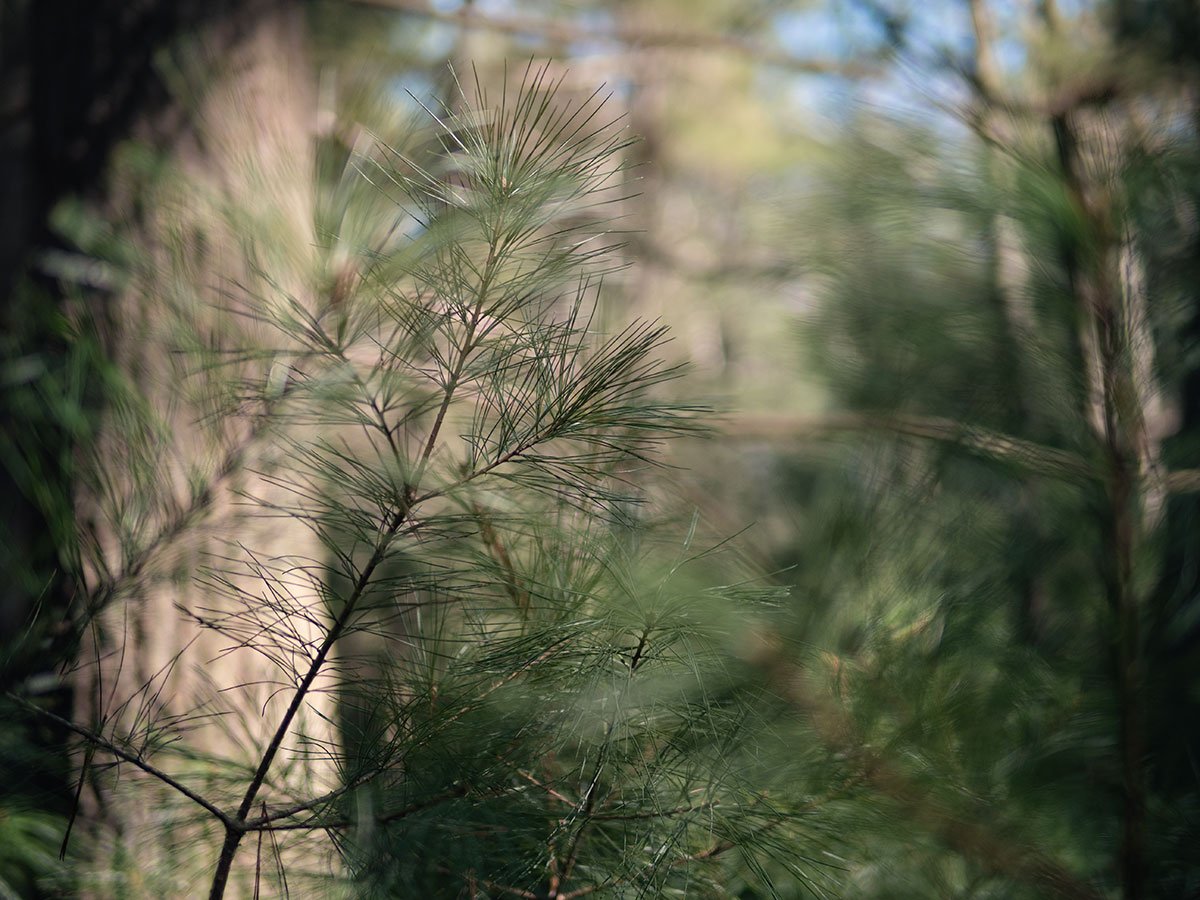
Pine-lined Path
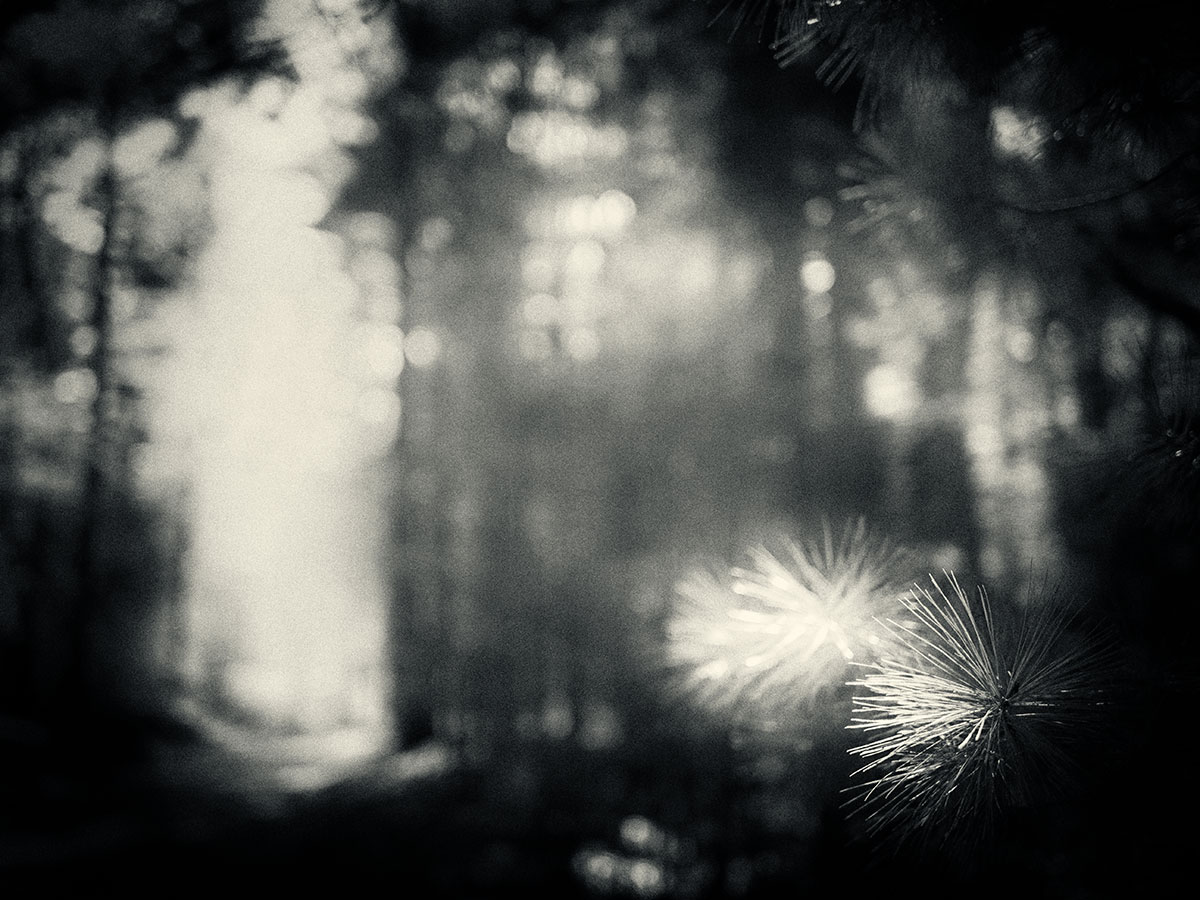
My new camera was used for this one yesterday (the OM Systems OM-3). Credit for the shallow view forward goes to the Panasonic Leica 25mm at f 1.4.
Jpeg For Us

Plantains and Bar Stool

Second Seven of Twelve

Seven of Twelve

Study in Overcast
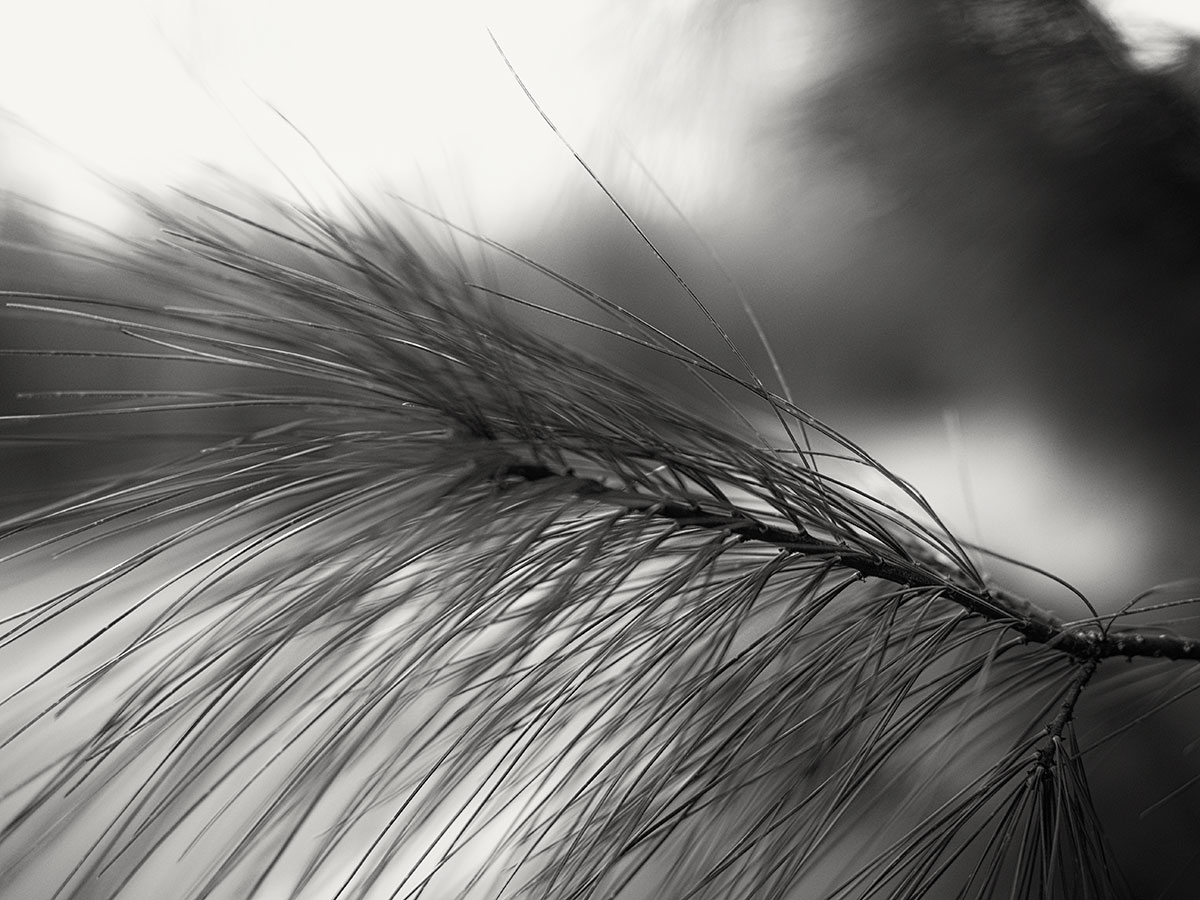
The Bend At Alewife Brook

Half Squash

Marsh at Northwest Creek
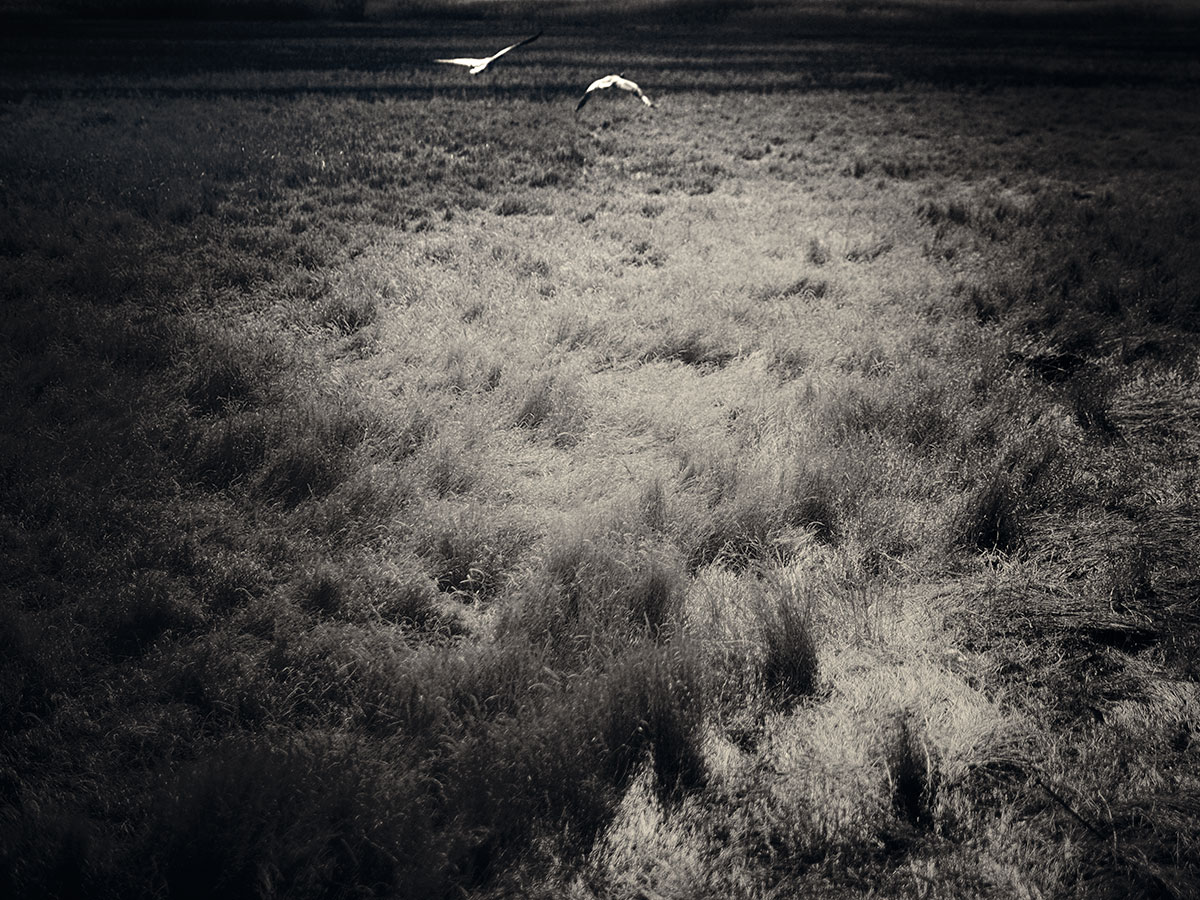
Knives in Shallow Focus

The Creek From Cuffee Landing
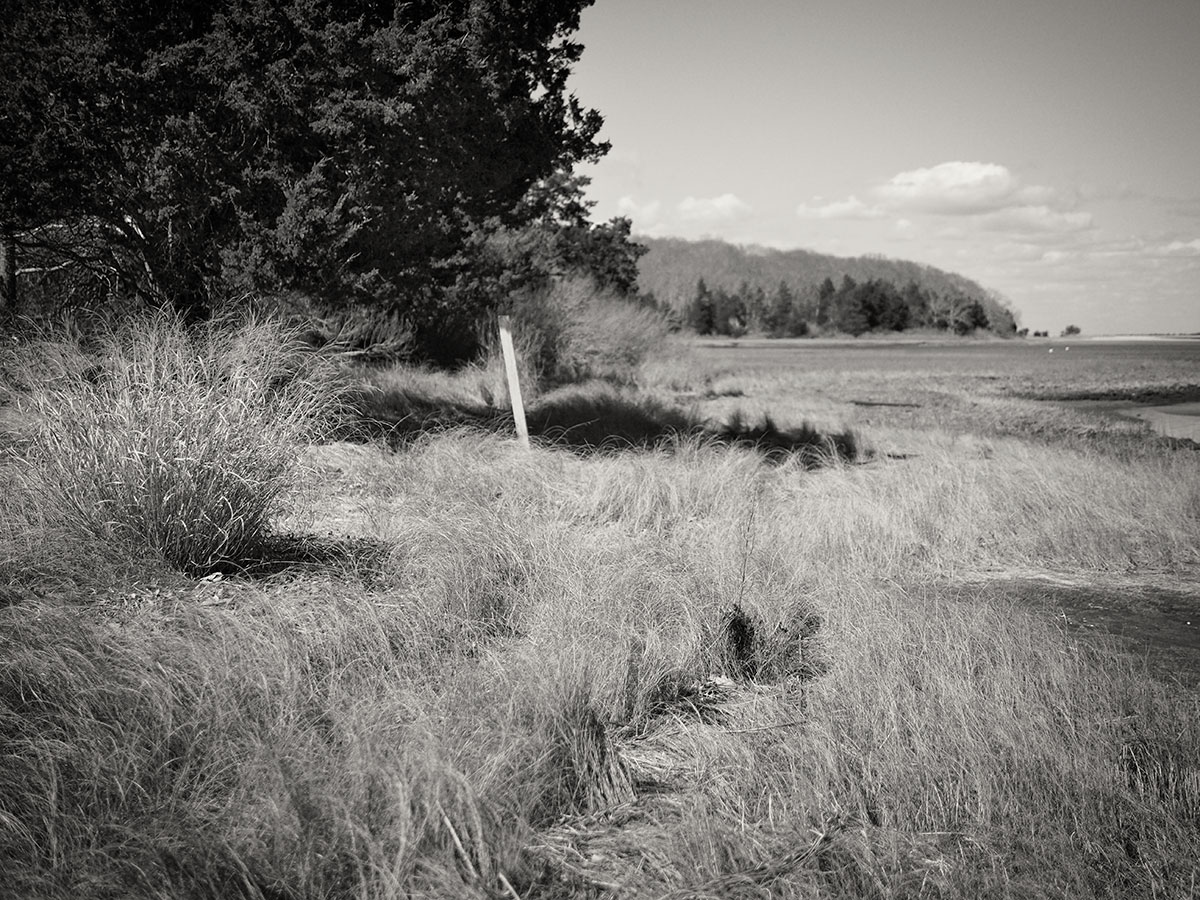
Butter Knife Variations ii

Butter Knife Variations

Having not added a lens or camera to the arsenal in almost a decade, that changed yesterday with the arrival of a 25mm Panasonic Leica f1.4 lens. In the language of photography gear, that’s known as a fast normal.
I had a nice walk with it; first around the house and then in a local park. The extra stop beyond my old reliable just-shy-of-normal 20mm was a delight. So far, I’m enjoying the out of focus experience as much as the in.
Sadly, my Olympus Pen F is no longer serviced here, so a new camera may join the bag as well.
Beach at Oyster Pond


This suite of three photographs was taken during the 90% solar eclipse that visited Montauk NY last year. The isolated stretch of beach faces Block Island Sound, two miles west of Montauk Point.
Work on my galleries continues through February and March. Link below, if you’d like to visit:
Inlet

Subscribe to continue reading
Subscribe to get access to the rest of this post and other subscriber-only content.
Mojave Dusk

Joshua Tree National Park, 1994

This picture was taken on a trip to California in 1994. As was the case with the others, a square format image captured on film with a Hasselblad fixed-lens wide angle camera. What has pleased me most about these medium format resurrections is the smooth mid-range grayscale I’m finding when converting 30 year old color negatives; a result of that camera’s legendary optic.
Needles District Landscape
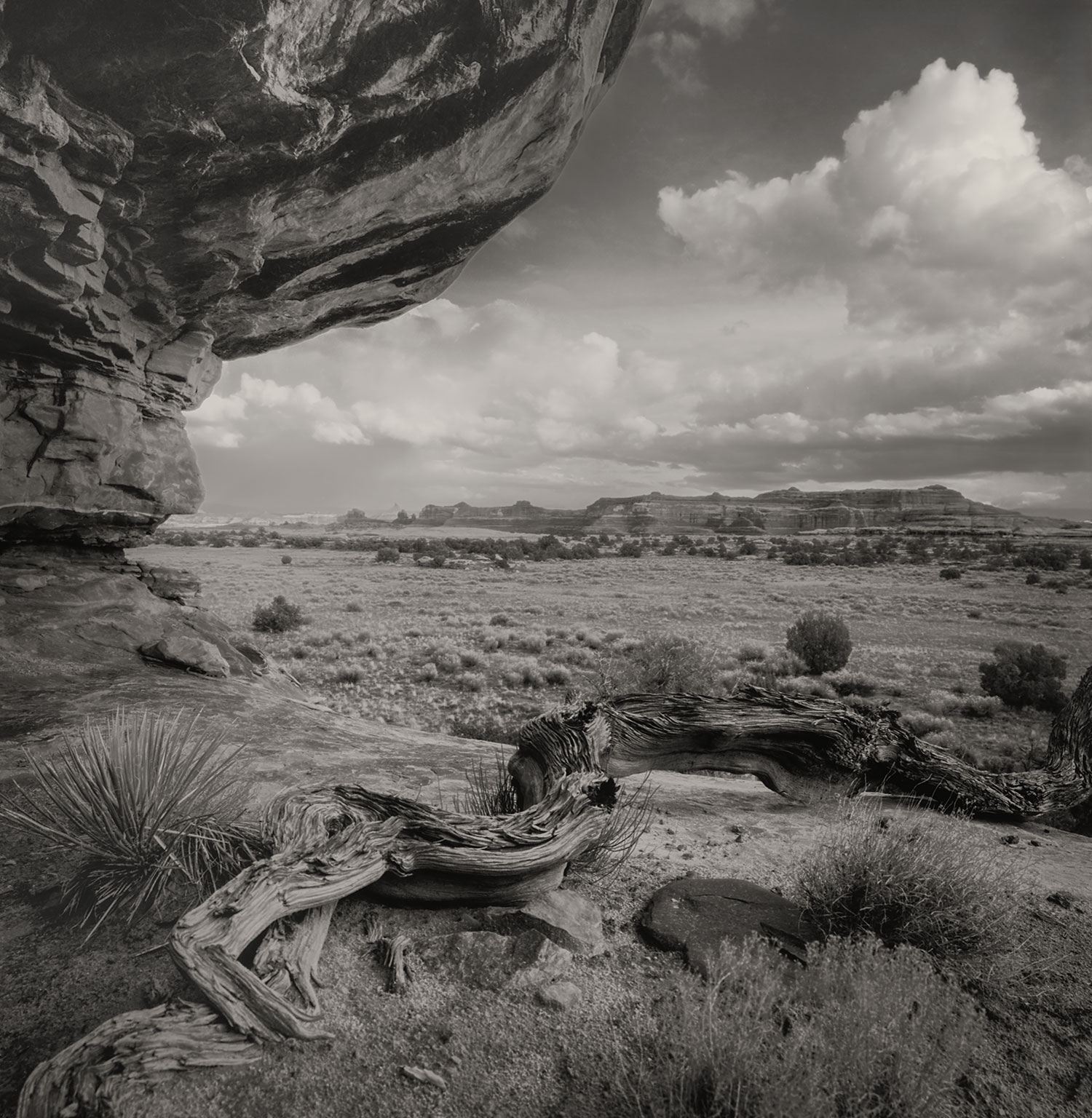
Canyonlands National Park, 1993
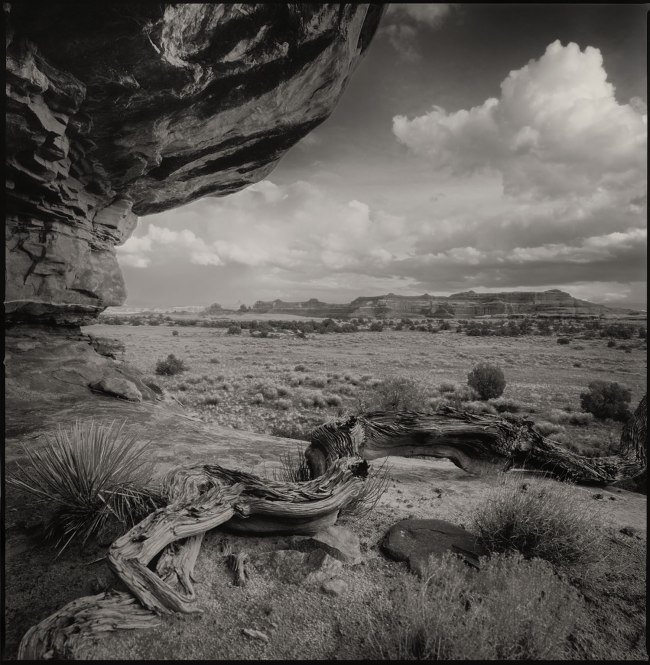
The three districts of Canyonlands National Park protect over 330,000 acres of the Colorado Plateau; much of it designated as wilderness. I first visited this place with two companions in the summer of 1978. Memories of that remote backcountry and its extraordinary isolation have stayed with me all these years. This photo was from a later trip in ’93. Full frame image with film border to the left.
Saguaros ii

Saguaro National Park, c 1991

This photo was taken the same day as the picture from my previous post; a warm March sunset six weeks before these cactuses typically bloom. In those days, I’d have to pick up a cooler and bags of ice to keep the film from getting ruined on hot days. And there was a second ritual of asking to have my film passed around the x-ray machine at the airport. When 120 film cameras became scarce in the 2000’s, the airport ordeal moved up to a higher level of complexity.
Saguaros

Sagauro National Park c. 1991

The well-loved Saguaro cactus occupies a relatively small range in the Sonoran Desert (in southwest Arizona and also in Mexico along the east side of the Gulf of California). On this trip, we took a train from NYC to Albuquerque and drove into Arizona where this shot was taken. (I’m pretty sure this was also the trip when we saw a Gila Monster.) The image was captured with the Hasselblad “superwide” aka 903 SWC. Full-frame image with film border to the left.
Cathedral Valley

Grand County UT c. 1994
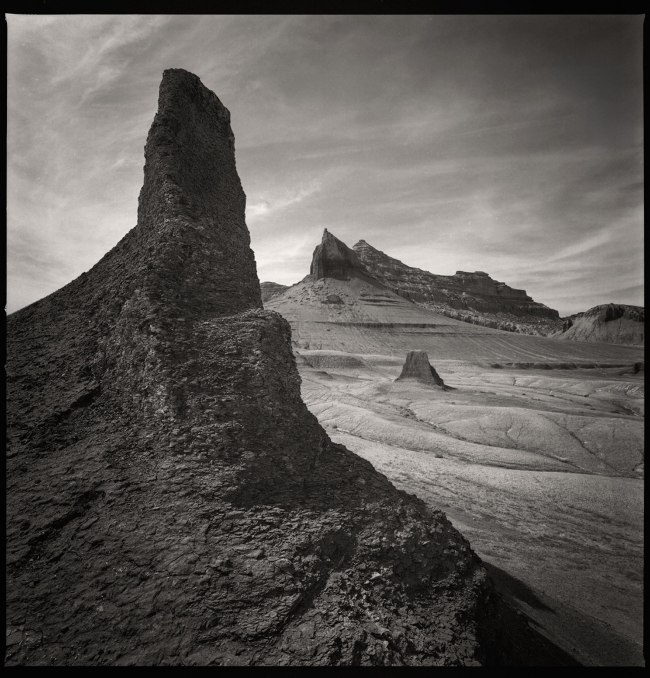
This is the first of a group of scans I’m working on from unpublished film images taken around thirty years ago. This scene was just outside Capitol Reef National Park. I’ve included a file here to show the original border of the film, and on the left hand side you can make out the code notches from the Hasselblad film holder. The image was captured with a 903 SWC on 120 color negative film, and converted to black and white.
Dormant

Stillwater Pond

Spillway Study

The Bend

Interstate Nocturne
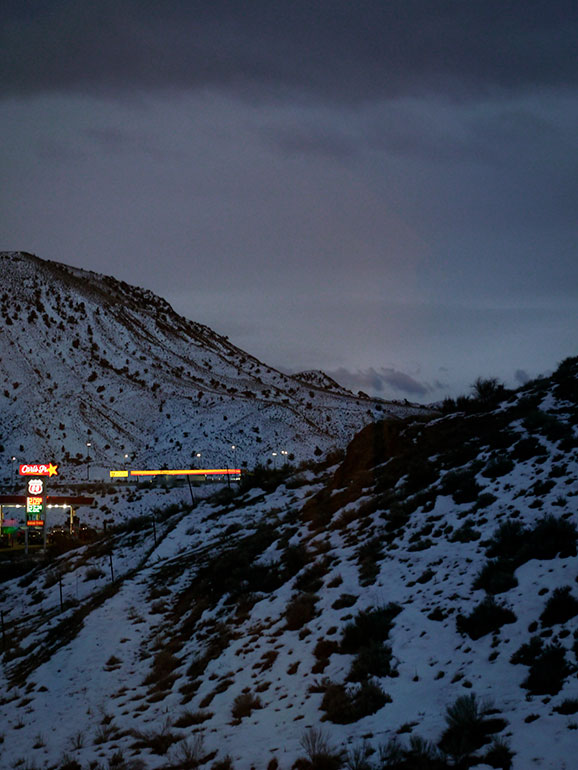
This -14°c view of a Salina UT truck stop was taken in January 2018. The reddish glow in the sky is the lamp in my hotel room reflecting in the window.


 JOHN TODARO