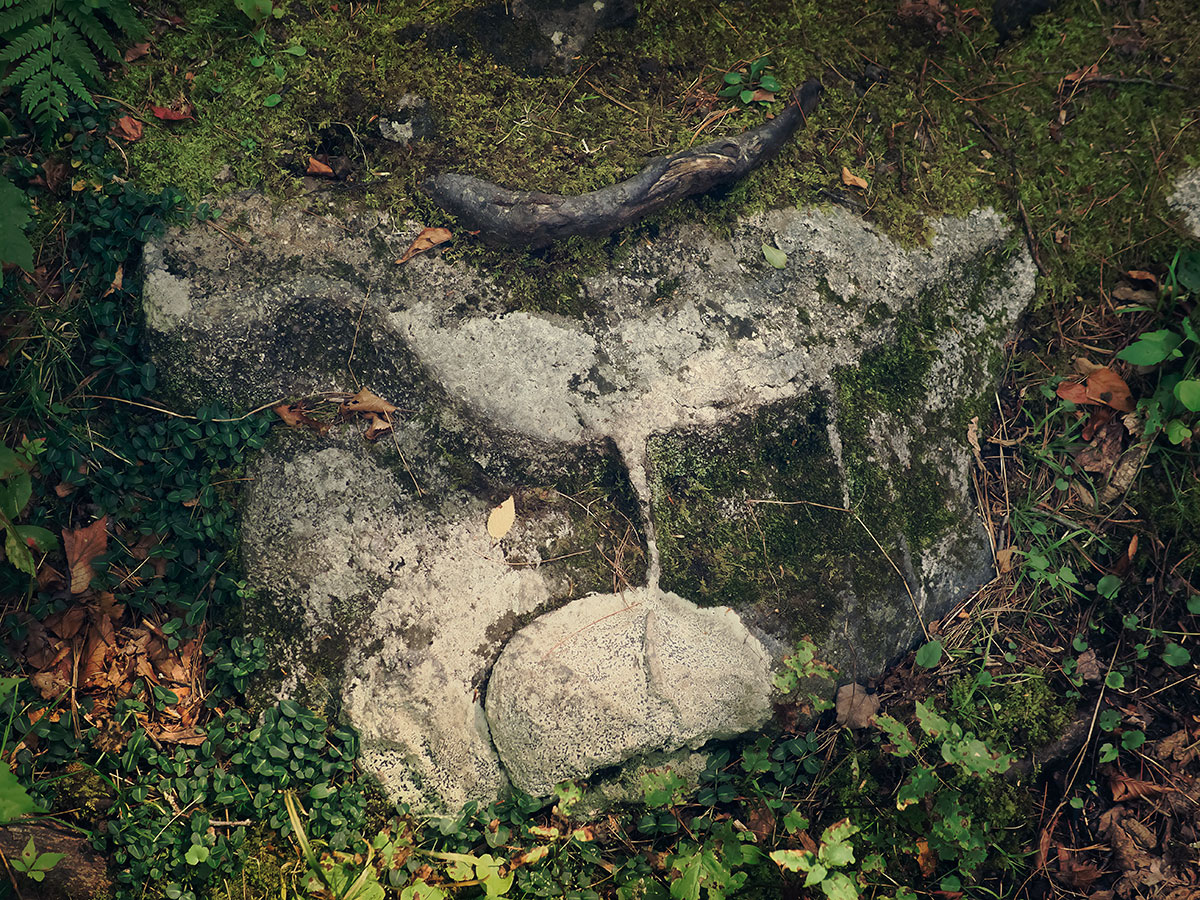
Bear with me for a minute of geology.
New England’s Connecticut River valley is actually a rift valley (i.e. not created by the river). Because of that, we’re fortunate to have some unique places to explore here in Connecticut and Massachusetts. Many folks are familiar with the Metacomet Ridge, Mt. Tom in Northampton and The Sleeping Giant near Hamden. I’ve been poking around on the northern CT section of the Metacomet, and on neighboring ridges in Simsbury and Granby. There’s many places here where you can spend the day alone.
In geologic time, the rift was a “recent” event, formed 200 million years ago when Africa separated from North America. Pressures from the separating continents forced up magma creating the thin basalt ridges now found in the middle of both states. In places, the ridge is so thin that it creates a “hogback” path only thirty feet wide, with a steep drop on both sides. Over time, a drier habitat developed here, slightly different from what you’ll find on nearby mountains. Eastern white pine, Eastern red cedar and Chestnut Oak are common, and this is one of the only places in Connecticut to find the Northern Copperhead (snake).
The basalt, which breaks off in distinctive grey and tan blocks, is known as “traprock.” I’ve been walking and photographing the traprock and you’ll be seeing those images unfold from here.
 JOHN TODARO
Great context, learned something I did not realize before.
Happy to hear that, thanks!
I never knew what traprock was, so thank you for that, and the geology lesson. Ecosystems that differ slightly from their surroundings are fascinating – it’s almost like the habitat speaks a different dialect. Learning it takes keen observation skills and lots of curiosity.
Speaking a different dialect: what a good observation. It makes me want to make a list of ecosystems that vary slightly from surrounding areas. Or, a similar list: places with remnant species from a previous era…
Making those lists and digging into those differences could keep you very busy.